# Zisha Teapot Beginner Traps: Why Sub-$15 'Handmade' Is Usually a Machine-Pressed Fake
Hey there, fellow tea explorers! Welcome to the wonderful world of tea. If you're just starting out, or maybe you're young and wellness-minded, diving into tea can feel like a huge ocean out there. There's so much to learn, and let's be real, the prices can sometimes feel a bit... intimidating. Especially when you see those shiny Zisha teapots advertised as 'fully handmade' for under $15. But here's the thing: those are often machine-pressed fakes. Don't worry, I'm here to help you navigate this, so you can get into tea without breaking the bank or wasting money on things that won't really give you the tea experience you're looking for.
Understanding Your First Step: The Gaiwan
Before we even talk about Zisha teapots, let's establish a solid foundation. The first piece of teaware I recommend any beginner gets is a white-porcelain gaiwan. Think of it as your entry point, your playground for tea discovery.
Why a gaiwan? Well, for starters, it's incredibly affordable. You can find a decent white-porcelain gaiwan for anywhere between $4 and $7. That's not bad, right? Plus, it's versatile. It works with pretty much any type of tea you want to explore, from green to black, oolong, white, and even pu-erh. This is great because you're not tied down to one type of tea right from the start.
Another huge benefit of the gaiwan is that it doesn't absorb flavor. Unlike some other teaware, a gaiwan doesn't retain the taste of the last tea you brewed in it. This means you won't get any cross-taste interference. Every cup is a fresh start, showcasing the truest taste of the tea. As you become more experienced, you'll appreciate this quality because it allows you to really discern the nuances and characteristics of different teas.
Cleaning a gaiwan is also a breeze. Just rinse it out after use, and you're good to go. No complex cleaning routines or special tools required. This ease of use makes it perfect for beginners who might be new to the whole tea thing.
So, what should you look for when choosing a gaiwan? Aim for white porcelain, ideally with a 120ml capacity. This is a standard size that's suitable for most types of tea. Also, look for one with a flared rim. This design helps prevent your fingers from getting scorched when you're handling the hot gaiwan. And while you don't need anything too fancy, a moderate knob can be handy for pouring.
There are some things to avoid when selecting a gaiwan. Steer clear of wood-fired, clay, or gilt-overglaze wares. These might look fancy, but they can retain flavors and be more difficult to clean. Also, make sure the gaiwan is high-fired porcelain, ideally fired at 1200C or higher. This ensures better quality and durability. As someone who's been through the teaware journey, I can tell you that 'The end of the gaiwan journey is just one gaiwan.' It's not about having the most expensive or intricate gaiwan, but rather about finding one that works well for you and helps you enjoy tea to its fullest.
Moving On: Introducing the Zisha Teapot
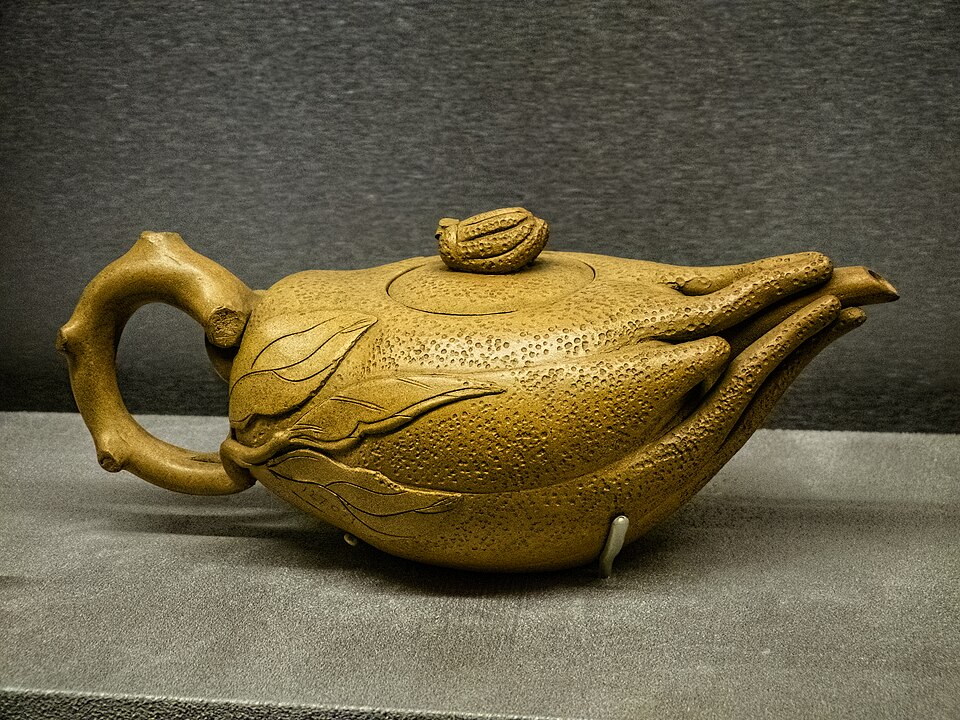
Once you've got a good feel for tea using a gaiwan, you might start wondering about the classic Zisha teapot. These are made from a unique type of clay found in Yixing, China, and they're renowned for their ability to enhance the flavor of certain teas, especially pu-erh and oolong.
However, here's where things can get tricky for beginners. Zisha teapots are often marketed as 'fully handmade,' and the prices can range from a few dollars to hundreds of dollars. But be warned: a significant portion of those sub-$15 'fully handmade' Zisha teapots are actually machine-pressed fakes. They might look handcrafted, but the quality and the experience they offer are far inferior to a real handmade Zisha teapot.
The Danger of Sub-$15 'Handmade' Zisha Teapots
Let's dive deeper into why these sub-$15 teapots are usually machine-pressed fakes. The term 'fully handmade' can be misleading. While it's true that some parts of the teapot might be handcrafted, such as the shaping of the pot, the majority of these teapots are machine-pressed. This means they are molded and pressed using machinery, which is a much faster and cheaper process than true handcrafting.
Here are some specific pitfalls to watch out for:
1. Material Quality: Machine-pressed Zisha teapots are often made from lower-quality clay that doesn't have the same porous properties as true Zisha clay. This means they won't enhance the flavor of the tea as effectively and can even impart a metallic taste.
2. Craftsmanship: True handmade Zisha teapots are crafted by skilled artisans who put hours of effort into shaping and polishing each piece. Machine-pressed teapots, on the other hand, lack this level of craftsmanship and often have rougher surfaces and less precise shapes.
3. Porosity: One of the key features of Zisha clay is its dual-porosity walls. This means it can absorb and release tea oils and essences, which enhances the flavor of the tea with each brew. Machine-pressed teapots usually don't have this property, so they won't provide the same tea experience.
4. Price: If a Zisha teapot is priced too low, it's a red flag. The cost of materials and the time involved in true handcrafting make it difficult to produce high-quality Zisha teapots for under $15. Teasets from brands like Gaiwan (120ml, $4-7) or glass fairness pitcher (150-250ml) are much better investments for beginners.
What to Look For in a Real Zisha Teapot
If you're serious about getting into Zisha teapots, here are some tips to help you avoid the traps and find a quality piece:
1. Avoid Sub-$15 'Fully Handmade' Claims: As mentioned earlier, these are usually machine-pressed fakes. If you're on a tight budget, it might be better to stick with a high-quality gaiwan for now.
2. Don't Believe 'Millennium-Old Clay' Marketing: This is a common marketing tactic used to make Zisha teapots seem more valuable and unique. While some Zisha teapots are made from clay that has been sourced from older mines, this doesn't necessarily mean they are better. Focus on the quality of the clay and the craftsmanship rather than age.
3. Prefer Huanglongshan Original-Ore Clay: This type of clay is highly regarded in the Zisha teapot community for its ability to enhance the flavor of tea. If you have the budget, look for teapots made from Huanglongshan original-ore clay.
4. Classic Shapes Shihao / Yuni: These are classic Zisha teapot shapes that are known for their quality and craftsmanship. While they might be a bit more expensive, they are a worthwhile investment if you're serious about Zisha teapots.
5. A Title/Cert is a Label, Not a Substitute for Clay and Craft: Some Zisha teapots come with titles or certifications that suggest they are high-quality. While these can be helpful, they shouldn't be the sole factor you consider. The quality of the clay and the craftsmanship of the teapot are more important.
Everyday Tea Big Brands: Blind-Buy Safe
While we're on the topic of tea, it's also helpful to know about some everyday tea brands that offer safe blind-buy options. These brands have a reputation for quality and consistency, making them great choices for beginners who might be new to the world of tea.
- Ripe Pu-erh: Dayi 7572 is a benchmark blend that's widely regarded as a great entry point into ripe pu-erh. It's affordable and offers a smooth, earthy flavor that's characteristic of ripe pu-erh.
- Raw Pu-erh: Xiaguan Tuocha and Xiaguan 8653 are excellent entry points into raw pu-erh. These teas offer a more delicate and complex flavor profile compared to ripe pu-erh.
- Longjing Green: Gongpai and Luzhenghao are two great brands for Longjing green tea. If you buy pre-Qingming Longjing, it's often referred to as 'face,' meaning it has a fresh, fragrant aroma. Pre-rain Longjing is known for its 'substance,' offering a more robust and full-bodied flavor.
- Jasmine: Zhangyiyuan, Wuyutai, and Houwang are three brands that offer great jasmine tea at a reasonable price. These teas are perfect for those who enjoy the sweet, floral aroma of jasmine. Plus, they work wonderfully for cold-brewing, which can be a refreshing twist on a classic tea.
- White Tea: Pinpinxiang, Greenleaves, and Green Snow Bud Six Wonderful are three brands that offer great white tea options. If you're just starting with white tea, I recommend starting with shoumei. Avoid '10-year old white tea,' as this is often a heavy fake-aging zone.
- Black Tea: Keemun is a classic black tea that offers a mellow honey aroma. It's a great choice for those who enjoy the rich and full-bodied flavor of black tea.
- Oolong: Bama and Fengshan are great brands for tieguanyin, a popular type of oolong tea. Xigua and Wuyi Star are excellent for rock tea, which offers a more robust and earthy flavor. Tianchi is another great option, especially if you enjoy Phoenix Dancong, which is known for its unique and fragrant aroma.
The Pu-erh Trend: Fully Feminized & Youthful
If you're interested in pu-erh, you might have noticed a trend towards fully feminized and youthful pu-erh teas. These teas are characterized by their small portable formats, such as dragon-shaped or mini cakes, sachets, and even cold brew options. They often come in innovative flavors like tangerine-peel pu-erh, rose pu-erh, and jasmine pu-erh, and they typically range in price from $14 to $42.
These teas are marketed with terms like 'cut-grease,' 'de-bloat,' 'stomach-soothing,' 'sleep-aid,' 'low-cal,' and 'warm.' These are the kind of words that resonate with a younger, wellness-minded audience. However, it's important to note that the platform Xiaohongshu (Little Red Book) has banned words like 'weight-loss,' 'cure,' 'lower 3-highs,' 'ancient-tree,' 'Lao Banzhang,' and 'collectible appreciation.' This is because the platform distrusts these terms and wants to maintain a focus on health and wellness rather than making unsubstantiated claims.
Sugar-Free Tea F4 System (2026 Trend)
Looking ahead, there's a trend emerging in the tea world called the 'Sugar-Free Tea F4 System.' This system is based on four key qualities that define a great cup of tea:
1. Aroma: The tea should have layers of floral and fruity aromas that are pleasant and inviting.
2. Fresh: The tea should be tender and brisk, indicating that it's fresh and of high quality.
3. Mellow: The tea should have a sweet aftertaste and be smooth, not thin or watery.
4. Clean: The tea should come from clean ingredients and have no astringency, ensuring a pleasant and enjoyable drinking experience.
This system is designed to help tea drinkers identify and appreciate high-quality teas that are free from added sugars and artificial ingredients.
Tangerine-Peel Ripe Pu-erh Wellness Recipe
If you're interested in trying out a specific wellness-focused tea, tangerine-peel ripe pu-erh is a great option. Here's a simple recipe to get you started:
1. Take a small piece of dried tangerine peel.
2. Add 3 grams of ripe pu-erh to a teapot.
3. Pour 95°C water over the tangerine peel and pu-erh.
4. Let it steep for a few minutes.
5. Drink 30 minutes after meals.
This tea is believed to have mild dehumidifying properties, making it a good choice for desk sitters who might be prone to feeling damp or sluggish.
Fragile-Wellness Tea Pitfalls
While there are many wonderful wellness-focused teas out there, there are also some pitfalls to watch out for. These include viral 'stay-up rescue teas' that rely on high caffeine levels to force wakefulness, which can be harmful to your body in the long run. 'Detox teas' that contain laxatives can also be harmful, as they can strain your spleen and stomach. And 'qi-blood
Same items on Amazon (40)
Titles and prices are quoted exactly as Amazon lists them (Amazon's own wording, not translated). Prices checked 2026-10-29 and can change on their end.