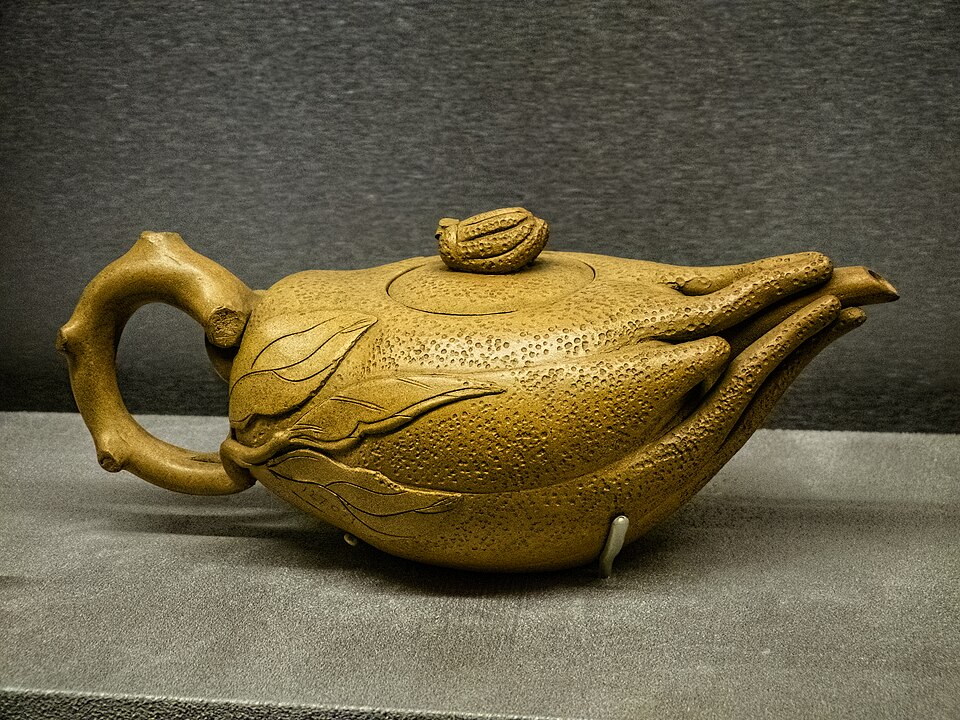
# Zisha Artist Certificates: What They Do and Don't Actually Tell You
Zisha, or purple clay, is a unique type of stoneware revered for its ability to enhance the flavor of tea, especially *Oolong*. When shopping for Zisha teaware, you'll often encounter artist certificates—a document that accompanies certain pieces, claiming to verify the work of a specific artisan. But what do these certificates actually signify, and what pitfalls should you be aware of? This guide breaks down the role of Zisha artist certificates, what they mean for your purchase, and what you should look out for.
The Purpose of Zisha Artist Certificates
Artist certificates in the Zisha world serve primarily as a way to authenticate the craftsmanship behind a piece. They are often associated with teaware that has been made by a recognized artist, whose name is printed on the certificate. This can add significant value to the piece, both culturally and financially. For collectors and tea enthusiasts, such certificates can provide a sense of assurance that they are acquiring a piece of genuine artistry.
However, it's important to understand that the presence of a certificate doesn't automatically guarantee higher quality or rarity. The certificate's value is largely dependent on the reputation of the artist and the market demand for their work. In some cases, a certificate can justify a higher price, but it's not a one-size-fits-all indicator of excellence.
What the Certificate Typically Covers
A standard Zisha artist certificate usually includes the following details:
- Artist's Name: The name of the individual who crafted the piece.
- Date of Creation: The year or period when the teaware was made.
- Description of the Piece: A brief overview of the design, shape, and any unique features.
- Authentication: A statement verifying the piece as an original work by the named artist.
Some certificates may also include a photo of the artist or the workshop, adding to the perceived authenticity. However, the content of the certificate is generally standardized, so the actual craftsmanship and quality of the teaware are not directly addressed in the document itself.
Quality Signals Worth Paying For
When evaluating a Zisha piece, regardless of whether it comes with an artist certificate, there are several quality signals to consider:
1. Clay Quality: High-grade Zisha clay is dense, porous, and capable of releasing the subtleties of tea flavors. Look for pieces that feel heavy and have a smooth, unctuous texture when handled.
2. Workmanship: Attention to detail is key. Seamless glazing, uniform thickness, and precise shaping are hallmarks of good craftsmanship. Avoid pieces with visible cracks, rough edges, or uneven glazing.
3. Aesthetics: While subjective, the overall design and form of the teaware can greatly enhance the tea-drinking experience. Traditional shapes are often preferred for their ergonomic design and cultural significance.
4. Provenance: If available, historical or cultural background information can add value to a piece. Teaware with a known history or connection to a notable tea house or collection may command a higher price.
Common Buyer Mistakes to Avoid
Despite the allure of artist certificates, there are several common mistakes buyers make when purchasing Zisha teaware:
1. Overvaluing Certificates: Assuming that a certificate automatically makes a piece superior is a common misstep. Some artists may mass-produce certain designs, diluting the perceived value of their work.
2. Ignoring Practicality: A beautifully crafted teapot may not be the most practical choice for daily use. Consider the size, handle design, and lid fit to ensure the piece meets your needs.
3. Falling for Fakes: The market for Zisha teaware is competitive, and counterfeit certificates do exist. Always purchase from reputable sellers who can provide proof of authenticity.
4. Neglecting Care Instructions: Zisha teaware requires proper care to maintain its quality. Avoid using harsh detergents or scrubbing, and never microwave or soak the pieces in water.
Care and Cleaning
Proper care is essential to preserving the integrity and longevity of your Zisha teaware. Here are some general guidelines:
- Handwashing Only: Use warm water and a soft brush or sponge to clean Zisha pieces. Avoid abrasive materials that can scratch the surface.
- Avoid Dishwashers: The high heat and harsh chemicals in dishwashers can damage the clay and glaze.
- Air Dry: Allow the teaware to air dry on a drying rack. Do not place it directly in the sun or near heat sources.
- Seasoning: Occasionally, you may want to season your Zisha teaware by brewing with plain water or tea, then rinsing thoroughly. This helps to maintain the clay's porosity and enhances the flavor absorption.
Who It Suits and Gift-Worthiness
Zisha artist certificates can make for excellent gifts, particularly for tea enthusiasts, collectors, or those with an appreciation for traditional crafts. The certificate adds an extra layer of meaning, suggesting that the gift is not just a functional item but a piece of artistry. However, it's important to consider the recipient's preferences. Some tea drinkers may prioritize practicality over aesthetics, so ensure the teaware aligns with their taste and usage habits.
For collectors, artist certificates can be a valuable addition to their portfolio, providing a documented history of the piece. The证书's value is often tied to the artist's reputation, so it's worth researching the artist's background and market standing before making a purchase.
Bottom Line
Zisha artist certificates can add value to a piece of teaware by authenticating its craftsmanship and cultural significance. However, they are not a guarantee of superior quality or rarity. When shopping for Zisha teaware, focus on the clay quality, workmanship, aesthetics, and provenance to make an informed decision. By understanding the role of certificates and being aware of common pitfalls, you can ensure that your purchase is both satisfying and worthwhile.
What to Check Before You Buy
- Artist Reputation: Research the artist's background and market standing.
- Clay Quality: Look for dense, porous clay with a smooth texture.
- Workmanship: Check for seamless glazing, uniform thickness, and precise shaping.
- Care Instructions: Ensure the teaware is suitable for your intended use and can be properly cared for.
- Provenance: Consider the historical or cultural background of the piece.
- Seller Reputation: Purchase from reputable sellers who can provide proof of authenticity.