Understanding Wuyi Rock Tea: A Beginner's Approach to Rou Gui, Shui Xian, and Da Hong Pao
Wuyi Rock Tea, known for its bold flavors and complex profiles, comes from the Wuyi Mountains in China. These teas are unique because they are grown on rocky soil, which gives them a distinct mineral character. For beginners, Rou Gui, Shui Xian, and Da Hong Pao are three of the most celebrated varieties. Each has its own charm, and choosing the right one depends on your taste preferences and what you value in tea.
How Wuyi Rock Tea Is Made
Wuyi Rock Tea is a type of oolong tea, which means it falls somewhere between green and black tea in terms of oxidation. The process involves several key steps:
1. Withering: Fresh leaves are left to dry in the sun or shade to reduce moisture.
2. Oxidation: The leaves are partially oxidized, which develops their flavor and aroma.
3. Roasting: Many Wuyi teas are roasted, either before or after oxidation, to deepen their taste.
4. Rolling and Drying: The leaves are rolled into their characteristic shapes and dried.
Rou Gui, Shui Xian, and Da Hong Pao all go through variations of this process, but their distinct profiles come from differences in terroir (the environment where they’re grown), oxidation levels, and aging.
Quality Signals to Look For
When buying Wuyi Rock Tea, there are a few signs that indicate high quality:
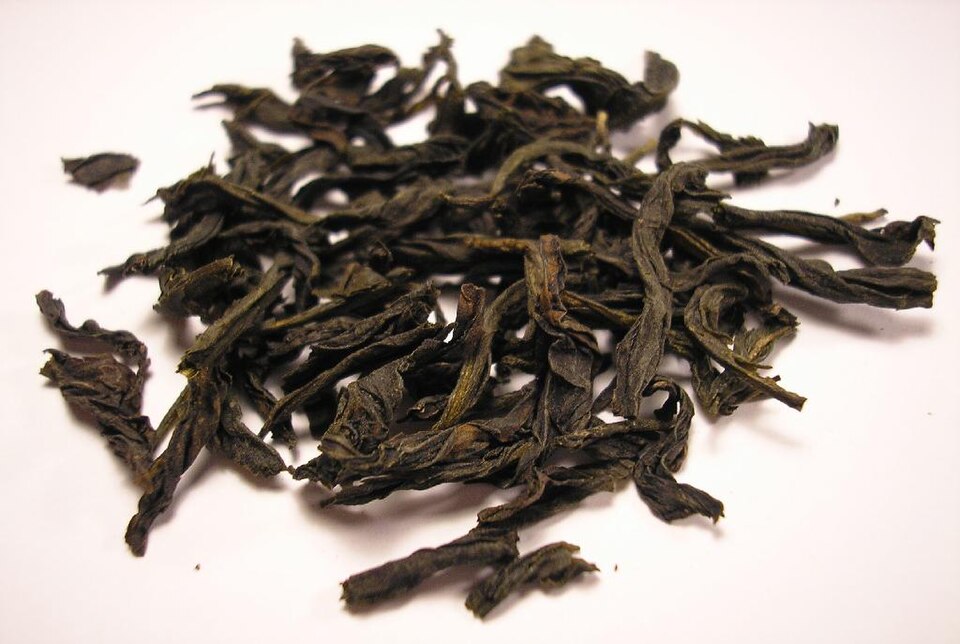
- Appearance: Look for leaves that are vibrant and well-preserved. Darker teas like Da Hong Pao should have a glossy, slightly cracked surface, while Rou Gui has a distinctive red hue. Shui Xian often has a more wiry texture.
- Aroma: A good tea should have a strong, pleasant scent. Rou Gui typically smells smoky and sweet, Shui Xian is fruity and floral, and Da Hong Pao has a rich, earthy aroma.
- Flavor: The best teas have a balanced taste with no bitterness or astringency. Rou Gui is known for its spiciness and sweetness, Shui Xian for its citrusy notes, and Da Hong Pao for its deep, roasted flavor.
- Aging: Like many oolongs, Wuyi teas improve with age. Look for teas that have been aged properly, as this enhances their complexity. However, not all aged teas are high quality, so trust your senses.
Common Buyer Mistakes
Avoid these pitfalls when shopping for Wuyi Rock Tea:
- Ignoring Storage: Exposing tea to air, light, or moisture can degrade its quality. Always buy from vendors who use airtight packaging.
- Overpaying for Fakes: Some sellers may pass off inferior blends as rare varieties. Stick to reputable sources and be wary of prices that seem too good to be true.
- Not Trying Samples: If possible, sample teas before committing to a large purchase. This helps ensure you’ll enjoy the flavor.
- Confusing Varieties: Rou Gui, Shui Xian, and Da Hong Pao have distinct profiles. Don’t expect Rou Gui to taste like Da Hong Pao, or you might be disappointed.
Care and Cleaning
Proper care keeps your Wuyi Rock Tea fresh and flavorful:
- Storage: Keep tea in airtight, opaque containers away from heat, light, and moisture.
- Brewing: Use spring water or filtered water for the best taste. Avoid tap water with chlorine.
- Temperature: Hot water is generally best for Wuyi Rock Tea, but Shui Xian can benefit from slightly cooler water to highlight its fruity notes.
- Reusing Leaves: Most Wuyi teas can be steeped multiple times. The second or third brew often reveals different layers of flavor.
Who It Suits and Gift-Worthiness
Wuyi Rock Tea appeals to tea enthusiasts who enjoy bold, complex flavors. It’s not for everyone, but if you appreciate oolongs, you’ll likely love it.
As a gift, Wuyi Rock Tea is excellent for:
- Tea Lovers: It’s a thoughtful present for someone who enjoys gourmet teas.
- Cultures: Gifting tea is a gesture of respect in many traditions.
- Aging Potential: High-quality Wuyi teas can become even better over time, making them a long-lasting gift.
However, remember that gifting tea requires attention to storage and presentation. If you’re unsure, opt for a beautifully packaged, pre-packaged gift set.
Bottom Line
Wuyi Rock Tea offers a rich and rewarding experience for beginners and seasoned tea drinkers alike. Rou Gui, Shui Xian, and Da Hong Pao each bring something unique to the table, from smoky sweetness to floral complexity. When buying, focus on quality signals like appearance, aroma, and flavor, and avoid common mistakes like poor storage or fake varieties. With the right care, these teas can provide enjoyment for multiple brews.
What to Check Before You Buy
- Quality signals: Look for vibrant leaves, strong aroma, and balanced flavor.
- Storage: Ensure the tea comes in airtight, opaque packaging.
- Aging: Check if the tea is properly aged, but be cautious of overpriced fakes.
- Samples: If possible, try a small amount before buying a full batch.
- Presentation: For gifts, consider how the tea is packaged and whether it includes instructions.
- Price: High-quality Wuyi Rock Tea usually falls in the mid-range, but focus on value rather than just cost.
Same items on Amazon (40)
Titles and prices are quoted exactly as Amazon lists them (Amazon's own wording, not translated). Prices checked 2026-10-29 and can change on their end.