# Why High-Fired Gaiwan (1200C+) Matters and How to Check Before You Buy
The gaiwan, a versatile Chinese ceramic bowl designed for tea brewing, is cherished for its ability to enhance both the flavor and aroma of loose-leaf teas. Among the many factors that influence a gaiwan's performance, one often-overlooked detail is the firing temperature. Bowls fired at high temperatures, typically 1200C and above, offer distinct advantages that justify the attention. Understanding what high-firing means and how it impacts your tea experience can help you make a more informed purchase.
The Science Behind High-Firing
At its core, the firing process transforms raw ceramic materials into sturdy, heat-resistant vessels. Different firing temperatures result in varying levels of hardness, porosity, and thermal conductivity. High-firing, often referred to as "high-temperature firing" or "stoneware firing," involves heating the ceramic to temperatures above 1200C. This process creates a denser, more vitrified (glass-like) structure, which has several benefits for tea brewing.
One of the primary advantages of high-fired gaiwans is their thermal mass. A denser bowl heats up evenly and retains heat efficiently, which is crucial for maintaining the optimal temperature range for different teas. This even heating prevents hot spots that can scorch delicate leaves, ensuring a more balanced and nuanced infusion. Additionally, high-fired gaiwans are less porous, meaning they are less likely to absorb or retain the flavors of previous brews, allowing each cup to stand on its own.
Another benefit is durability. High-fired ceramics are more resistant to thermal shock—meaning they can handle rapid temperature changes without cracking or breaking. This makes them ideal for the steeping process, where water is frequently poured in and out. Over time, this durability translates to a longer lifespan, making high-fired gaiwans a worthwhile investment.
Materials and Construction
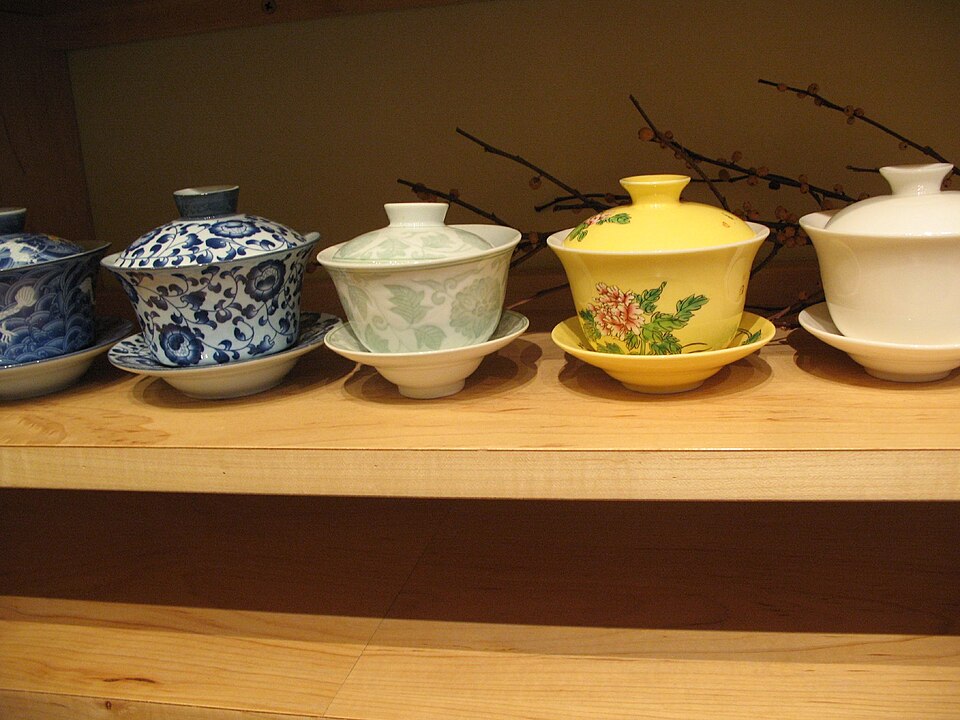
Most gaiwans are made from ceramic or porcelain, but the specific composition can vary. High-fired gaiwans are typically crafted from stoneware or porcelain that has been fired to high temperatures. Stoneware, known for its strength and durability, is a popular choice for tea ware due to its dense, non-porous nature. Porcelain, while generally more brittle, offers a finer, more delicate finish that can enhance the aesthetic appeal of the tea.
The construction of the gaiwan also plays a role in its performance. A well-crafted gaiwan should have a comfortable handle that allows for easy pouring without burning your fingers. The rim should be smooth and unobtrusive, allowing for precise control when pouring tea. The bowl itself should be thick enough to retain heat but not so thick that it becomes cumbersome.
When examining a high-fired gaiwan, look for signs of craftsmanship. A well-made gaiwan will have smooth surfaces with minimal imperfections, such as pits or cracks. The glaze should be even and free of bubbles or imperfections, as these can affect the bowl's ability to retain heat and prevent leaks.
Sizing and Fit
Gaiwans come in various sizes, typically ranging from small (around 80-100ml) to large (150-200ml or more). The size you choose depends on your brewing habits and the types of tea you enjoy. Smaller gaiwans are ideal for single servings or for experimenting with different teas, while larger gaiwans are better for sharing or for brewing larger quantities of tea.
When selecting a gaiwan, consider the fit of the lid. The lid should sit snugly on the bowl to prevent heat and aroma from escaping during brewing. However, it shouldn't be so tight that it's difficult to remove. A good rule of thumb is to look for a lid that fits securely but can still be lifted off with a single finger.
Quality Signals and Trade-Offs
Purchasing a high-fired gaiwan involves navigating a range of quality signals and trade-offs. Most options sit somewhere between budget and mid-range, with prices reflecting the materials used, the firing process, and the level of craftsmanship. A higher price doesn't always guarantee better quality, but it often indicates more attention to detail and better materials.
One of the most reliable indicators of quality is the manufacturer's reputation. Established ceramic artisans or tea ware specialists are more likely to produce high-quality gaiwans. Reading reviews from other tea enthusiasts can also provide valuable insights into the performance and durability of different models.
However, it's important to balance quality with your budget. If you're new to gaiwans, you might want to start with a mid-range option to see if the investment is worthwhile before committing to a higher-end piece. Many tea shops offer introductory sets that include a variety of sizes and styles, allowing you to explore different options without breaking the bank.
A common buyer mistake is focusing too much on aesthetics at the expense of functionality. While a beautifully crafted gaiwan can be a joy to use, its performance is ultimately what matters most. Ensure that the gaiwan you choose meets your practical needs before prioritizing design.
Care and Cleaning
Proper care and cleaning are essential to maintaining the longevity of your gaiwan. High-fired gaiwans are generally durable, but they still require gentle handling to avoid chipping or cracking. Here are some tips for caring for your gaiwan:
1. Wash by Hand: Avoid using the dishwasher, as the high temperatures and harsh detergents can damage the ceramic. Instead, wash your gaiwan by hand using warm water and mild soap.
2. Avoid Abrasive Cleaners: Use a soft sponge or cloth to clean the interior and exterior of the gaiwan. Avoid using abrasive cleaners, as they can scratch the surface and affect the glaze.
3. Rinse Thoroughly: Ensure that all soap residue is rinsed away to prevent any lingering flavors.
4. Dry Properly: After washing, dry your gaiwan thoroughly on a drying rack. Avoid storing it while wet, as moisture can cause mold or mildew to develop.
5. Store Carefully: When not in use, store your gaiwan in a safe place where it won't be knocked over or damaged.
Regularly cleaning your gaiwan will not only keep it in good condition but also ensure that each cup of tea tastes fresh and untainted by previous brews.
Who It Suits and Gift-Worthiness
A high-fired gaiwan is an excellent choice for anyone who appreciates the art of tea. Whether you're a seasoned tea enthusiast or a beginner looking to explore different brewing methods, a gaiwan can enhance your tea experience. Its ability to evenly distribute heat and retain aroma makes it particularly well-suited for delicate teas such as green, white, and oolong.
Additionally, a high-fired gaiwan can be a thoughtful gift for someone who enjoys tea or appreciates the beauty of handcrafted ceramics. Its durability and elegance make it a practical yet stylish present for birthdays, holidays, or as a special treat for a friend or family member.
When selecting a gaiwan as a gift, consider the recipient's preferences and lifestyle. If they are a frequent traveler, a travel-friendly gaiwan with a secure lid might be a good choice. For someone who appreciates traditional craftsmanship, a gaiwan made by a renowned artisan could be a particularly meaningful gift.
Bottom Line
High-fired gaiwans offer a combination of performance, durability, and aesthetic appeal that makes them a worthwhile investment for any tea enthusiast. By understanding the benefits of high-firing, considering the materials and construction, and paying attention to size and fit, you can select a gaiwan that meets your needs and enhances your tea brewing experience. With proper care and maintenance, a high-fired gaiwan can provide years of enjoyment.
What to check before you buy
- Firing temperature: Look for a gaiwan that is fired at 1200C or higher for better thermal conductivity and durability.
- Material and construction: Ensure the gaiwan is made from dense, non-porous ceramic or porcelain with smooth surfaces and an even glaze.
- Size and fit: Choose a size that suits your brewing habits and ensure the lid fits securely but can be easily removed.
- Handle comfort: The handle should be comfortable to grip and allow for easy pouring without burning your fingers.
- Aesthetic appeal: If the gaiwan is for personal use or as a gift, consider its design and whether it matches your preferences.
- Price and value: Compare prices and look for a balance between cost and quality, considering the reputation of the manufacturer and reviews from other tea enthusiasts.
Same items on Amazon (40)
Titles and prices are quoted exactly as Amazon lists them (Amazon's own wording, not translated). Prices checked 2026-10-29 and can change on their end.