# Why Cheap 'Ancient Tree' Pu-erh Is Almost Always Fake
When you shop for Pu-erh tea, especially online, you’ll see terms like "Ancient Tree" and "Vintage" slapped onto bags that look like they could have been harvested last week. These labels sound fancy, but if you’re looking at a cheap option (anything under $50 for a small cake or teabag batch), it’s almost always fake. This isn’t about deception; it’s about understanding how Pu-erh works and what makes it worth the price.
What Makes Pu-erh Special (And Why Cheaper Ones Fail)
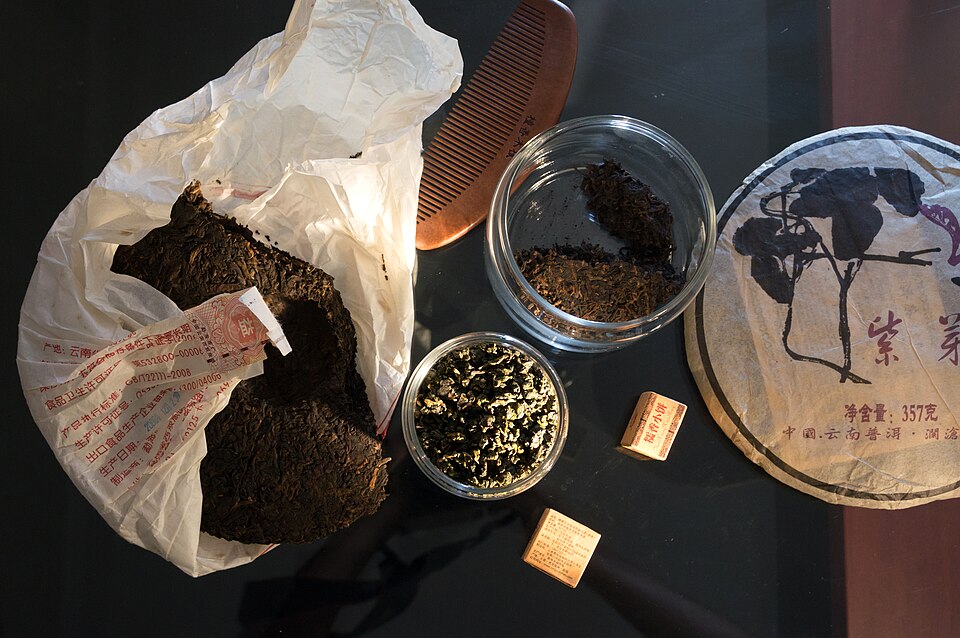
Pu-erh is a fermented tea from Yunnan, China, known for its earthy flavor and health benefits. True "Ancient Tree" Pu-erh comes from tea trees (Camellia sinensis) that are decades or even centuries old. These trees produce leaves with higher concentrations of terpenes, flavonoids, and other compounds that give the tea a deeper, more complex taste.
The problem is, most cheap "Ancient Tree" Pu-erh is a mix of mislabeled tea or low-quality leaves. Younger trees (10-30 years old) are sometimes passed off as ancient, or the tea is blended with inferior grades to cut costs. The fermentation process also matters—cheap Pu-erh often skips proper aging, leaving you with a bland or sour cup.
The Trade-Offs Between Price and Quality
If you’re on a tight budget, you might think you’re getting a deal. But here’s the reality:
- Budget Pu-erh ($10-$30): Likely made from young trees, low fermentation, or poor storage. The taste will be weak or off.
- Mid-range Pu-erh ($30-$70): Better quality leaves, proper fermentation, but still not Ancient Tree grade. A worthwhile investment for daily use.
- High-end Pu-erh ($70+): True Ancient Tree, expert craftsmanship, and years of storage. The best for connoisseurs.
The key is to know what you’re paying for. If it sounds too good to be true, it probably is.
How to Spot Fake "Ancient Tree" Pu-erh
There are a few telltale signs that a cheap Pu-erh is fake:
1. Price Doesn’t Match the Claims
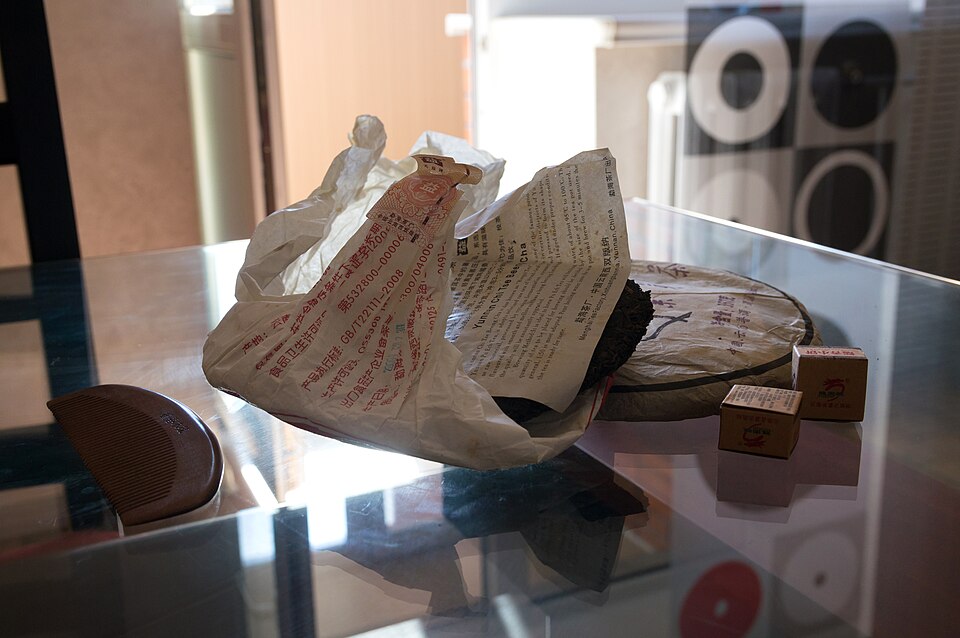
If a small tea cake (about 357g) is under $50 and labeled "30-year-old Ancient Tree," be suspicious. True Ancient Tree fetches higher prices because the supply is limited.
2. Lack of Origin Details
Reputable sellers will list the exact mountain (e.g., Sheng County, Lushan) and harvest year. If the packaging is vague or the words "Made in China" are the only origin detail, steer clear.
3. Poor Aroma and Taste
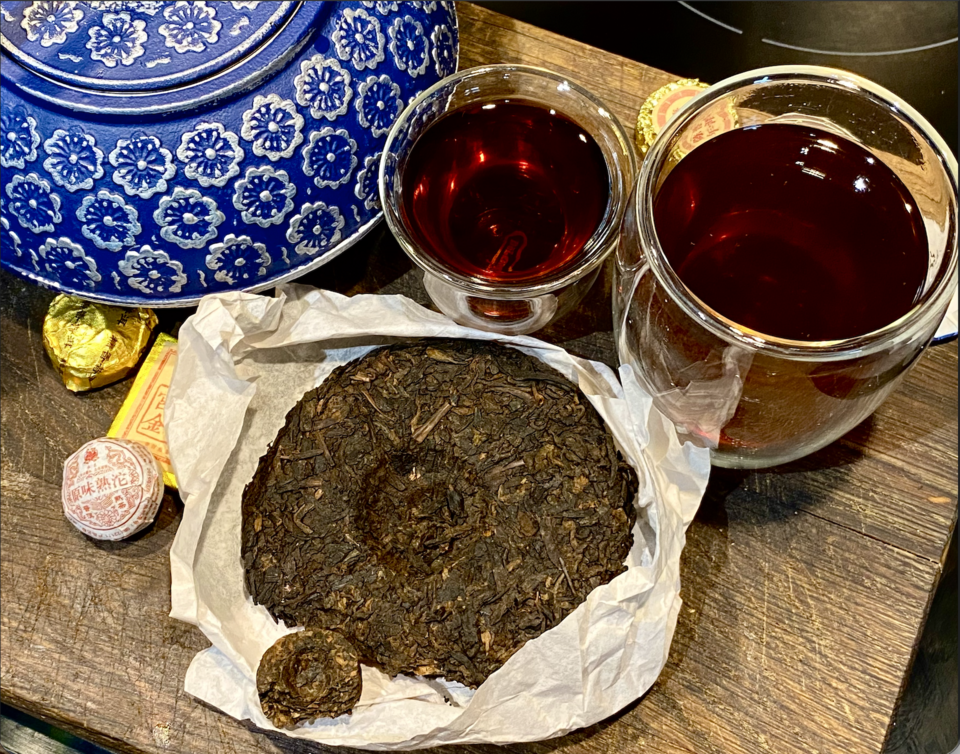
Fresh, high-quality Pu-erh smells earthy and floral. If it smells musty, stale, or like chemicals, it’s likely been stored improperly or mixed with fillers. The taste should be smooth, with hints of wood, nuts, or fruit—blandness is a red flag.
4. Thin or Discolored Leaves
Real Ancient Tree leaves are thick, dark, and tightly rolled. If the leaves are flimsy, fragmented, or have an uneven color, the quality is low.
Who Should Buy (And Who Shouldn’t)
Pu-erh isn’t for everyone. It’s best for:
- Tea drinkers who enjoy earthy, complex flavors.
- People looking for potential health benefits (like aiding digestion).
- Collectors who appreciate rare tea grades.
If you’re new to tea or prefer bright, floral notes, stick to other varieties. Don’t waste money on fake Ancient Tree Pu-erh just because it sounds fancy.
Care and Storage: Keeping Your Pu-erh Fresh
Pu-erh is sensitive to air, light, and moisture. Store it in an airtight container away from heat and humidity. If you’re buying loose leaves, keep them in a breathable tea canister. For compressed cakes, leave them unopened until you’re ready to use them to preserve freshness.
Bottom Line
Buying cheap "Ancient Tree" Pu-erh is almost always a waste of money. If you’re serious about quality, look for mid-range options from reputable sellers with clear origin details. Don’t let flashy labels trick you—taste and research are your best guides.
What to Check Before You Buy
- Price: Is it too low for the claim? (Under $50 for Ancient Tree is a no-go.)
- Origin: Does it list the mountain or harvest year?
- Aroma: Does it smell earthy and fresh, or musty and stale?
- Leaves: Are they thick, dark, and uniform?
- Seller Reputation: Check reviews or stick to well-known tea brands.
- Storage: Does it come in an airtight container?
Same items on Amazon (39)
Titles and prices are quoted exactly as Amazon lists them (Amazon's own wording, not translated). Prices checked 2026-10-29 and can change on their end.