White Tea for Beginners: Start with Shoumei, Skip the '10-Year Old White Tea'
So, you're dipping your toes into the world of tea? Awesome! White tea seems fancy, right? All those fancy terms and high prices. But don't worry, we're going to keep it simple and help you get started without breaking the bank or falling for scams. Let's focus on white tea specifically, and more importantly, what to avoid.
Why White Tea is a Good Starting Point
White tea is often recommended for beginners because it's generally lighter-bodied and less astringent than darker teas like oolong or black. It’s made with minimal processing, which means it retains more of its natural sweetness and delicate flavors. Think of it as a gentle introduction to the diverse world of tea. But don't get too excited just yet—there are some things you need to know.
The Beginner's Teaware Blueprint
Before you even think about buying tea, you need some basic teaware. Don’t feel overwhelmed; you don’t need a whole set of fancy porcelain right away. Here’s a simple, affordable starting kit:
1. Kettle: Reuse one you already have. Most electric kettles work perfectly fine for tea.
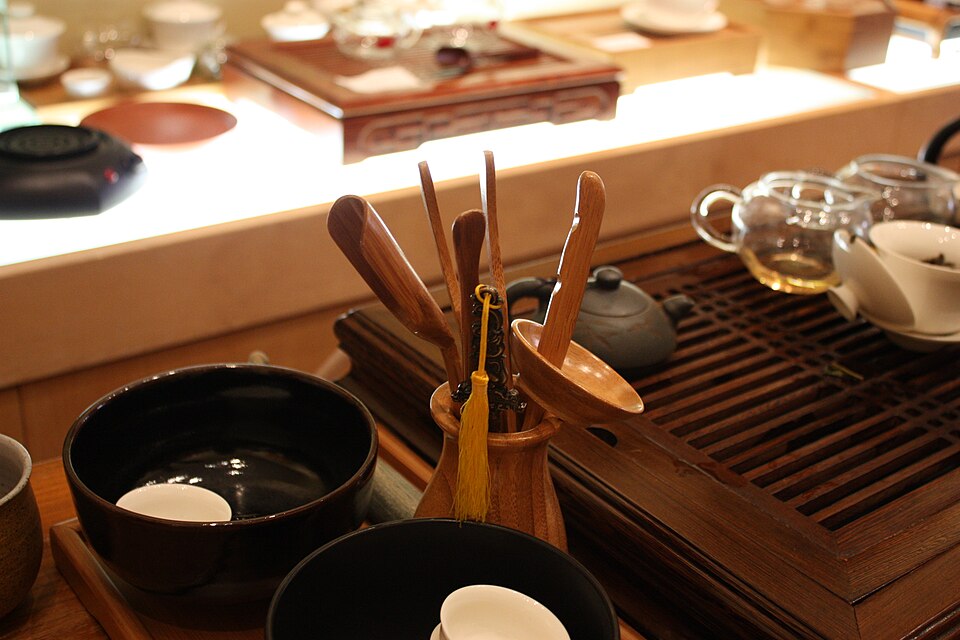
2. White-Porcelain Gaiwan: This is your go-to for most teas, including white. A 120ml gaiwan is standard and won't set you back too much, usually around $4-7. White porcelain is ideal because it doesn’t absorb flavors, so you won’t get any cross-taste between different teas.
3. Glass Fairness Pitcher: This is a bit larger than your gaiwan, usually around 150-250ml. It helps ensure an even distribution of tea leaves and water.
4. Thin White-Porcelain Tasting Cups: These cups have a white inner wall, which helps you see the color of the tea liquor. This is important for evaluating the tea. The whole set can cost around $15, which is pretty reasonable for a beginner.
Gaiwan Pitfalls to Avoid
When buying a gaiwan, there are a few things to keep in mind:
- Material: Stick with white porcelain. Avoid wood-fired, clay, or gilt-overglaze wares. These can absorb flavors and affect the taste of your tea.
- Fire Temperature: Make sure the porcelain is high-fired, ideally 1200C or higher. This ensures it’s durable and doesn’t absorb flavors.
- Shape: Look for a gaiwan with a flared rim; it won’t scorch your fingers when you pour. A moderate knob is also a good feature for handling.
Remember, 'The end of the gaiwan journey is just one gaiwan.' It’s not about having the most expensive or complex teaware; it’s about finding what works for you.
White Tea: Start with Shoumei
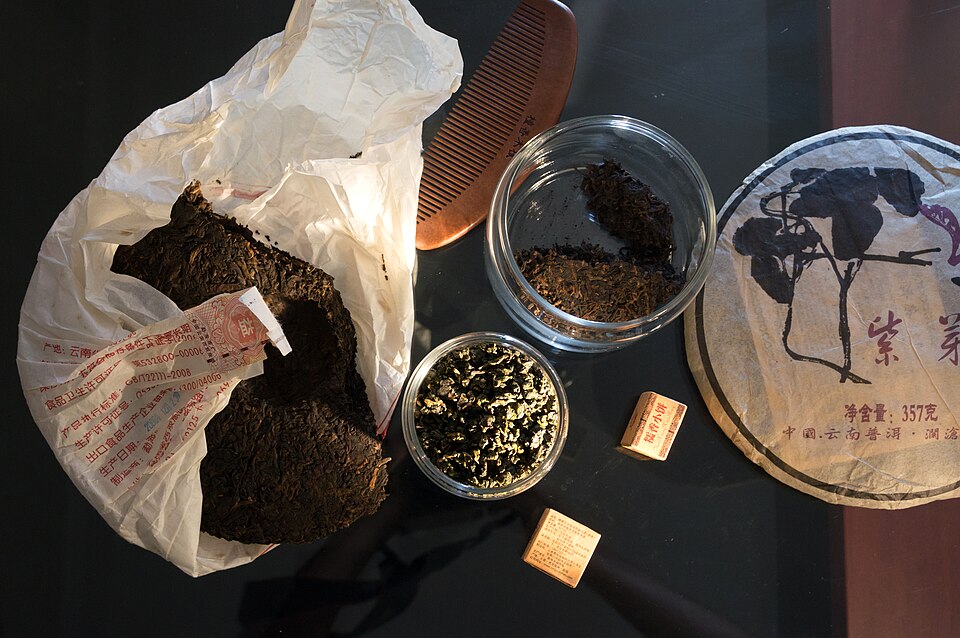
Now, let’s talk about white tea. Many beginners are tempted by the idea of aged white tea, thinking it’s some rare, expensive treasure. But here’s the thing: aged white tea, especially the so-called '10-year old white tea,' is a huge坑 (trap). There’s a lot of fake-aging going on in that market, and it’s easy to get scammed.
What to Start With: Shoumei
Your best bet as a beginner is to start with new Shoumei. Shoumei is a type of white tea that is withered and then baked, which gives it a slightly toasty flavor. It’s not as delicate as other white teas like Baihao Yinzhen (Silver Needle), but it’s more affordable and less prone to the pitfalls of aged tea.
Brands and Price Ranges
For white tea, you can safely go with some of the big, reputable brands. Here are a few options:
- Pinpinxiang: Offers a range of white teas at reasonable prices. Their Shoumei is particularly popular among beginners.
- Greenleaves: Another reliable brand that provides good quality Shoumei at an entry-level price point.
- Green Snow Bud Six Wonderful: This brand is known for its variety of teas, and their Shoumei is a great choice for those just starting out.
You can expect to pay around $10-20 for a 50g or 100g tin of Shoumei from these brands. This is a small investment and will give you a good idea of whether you enjoy white tea.
Avoiding the '10-Year Old White Tea Trap
Let’s dive deeper into why you should skip the '10-year old white tea':
- Fake-Aging: Many vendors claim their white tea is 10 years old, but there’s no real way to verify this. In fact, the aging process for white tea isn’t well-defined, making it easy for sellers to pull a fast one.
- Quality Issues: Even if the tea is genuinely aged, it might not be of high quality. Aged white tea can become too woody or lose its delicate flavors, making it unpleasant to drink.
- High Prices: The price of aged white tea is often inflated due to the hype around it. You can get much better quality tea for the same price if you stick with new, well-crafted Shoumei.
Sugar-Free Tea F4 System (2026 Trend)
While we’re on the topic of tea, it’s worth mentioning the upcoming Sugar-Free Tea F4 System, which is set to be a trend in 2026. This system focuses on four key qualities:
1. Aroma: Look for teas with floral or fruity layers.
2. Fresh: The tea should be tender and brisk.
3. Mellow: It should have a sweet aftertaste and be smooth, not thin.
4. Clean: The ingredients should be clean, and there should be no astringency.
This system is a good guide for evaluating any tea, not just white tea. It helps you understand what makes a good cup of tea and how to appreciate its nuances.
Fragile-Wellness Tea Pitfalls
As a beginner, you might come across some teas that claim to have magical wellness properties. But be wary of these:
- Stay-Up Rescue Tea: These teas are often loaded with caffeine and marketed as a way to stay awake. However, relying on caffeine to stay awake can harm your body in the long run.
- Detox Tea: These teas often contain laxatives, which can harm your spleen and stomach if used excessively.
- Qi-Blood Tonic Tea: Combinations like red-date longan tea might seem beneficial, but random mixes can cancel out each other’s effects.
Instead, stick to teas that are known to have gentle, positive effects. For example:
- Fatigue: Goji chrysanthemum tea can help alleviate fatigue.
- Dampness: Tangerine-peel ripe pu-erh can help regulate moisture in the body.
- Qi-Blood Deficiency: Red-date black tea is a good choice.
- Sitting-Heat: Honeysuckle white tea can help cool down excess heat.
Gifting Tea: What to Choose
If you’re looking to gift tea, it’s best to keep it simple and practical. A gaiwan is an excellent choice because it allows the recipient to judge the tea for themselves. It’s not too expensive, and it’s a versatile piece of teaware that can be used with various types of tea.
If you want to gift a teapot, focus on the clay and craft rather than the price. A well-crafted teapot made from Huanglongshan original-ore clay can be a great gift. Look for classic shapes like Shihao or Yuni; they rarely miss the mark. And always make sure to explain the quality and craftsmanship to the recipient.
Wrap-Up / Bottom Line
Starting with white tea is a great way to enter the world of tea without breaking the bank or getting overwhelmed. Remember to start with new Shoumei and avoid the '10-year old white tea' trap. Get a basic set of teaware, focus on quality brands, and be wary of teas that promise too much. Happy tea drinking!
Same items on Amazon (40)
Titles and prices are quoted exactly as Amazon lists them (Amazon's own wording, not translated). Prices checked 2026-10-29 and can change on their end.