# Tieguanyin for Beginners: What Light vs Strong Roast Really Means
Tieguanyin tea, known for its smooth, slightly sweet character and earthy notes, is a popular choice among tea enthusiasts. For beginners stepping into the world of Tieguanyin, understanding the difference between light and strong roast is crucial. This guide will help you navigate the basics, from what these roasts mean to how to choose the right one for your palate.
Understanding Light and Strong Roast
Light roast Tieguanyin tea is less processed,保留了更多的天然香气和细腻的口感. It often has a higher moisture content, which contributes to its delicate flavors and floral notes. Light roast tea is ideal for those who prefer a more nuanced and subtle tea experience.
On the other hand, strong roast Tieguanyin has been processed at a higher temperature for a longer duration. This results in a lower moisture content and a more robust, bold flavor profile. Strong roast tea is perfect for those who enjoy a bolder, more pronounced taste with hints of smokiness and earthiness.
The Art of Tieguanyin Tea Making
Tieguanyin tea is made from the *Camellia sinensis* plant, specifically from the *Camellia sinensis var. sinensis* variety. The leaves are carefully selected and then undergo a series of processes, including withering, rolling, oxidizing, and roasting. The roasting process is where the distinction between light and strong roast is made.
Light roast Tieguanyin is roasted at a lower temperature and for a shorter time, which preserves the natural oils and aromatic compounds in the leaves. This results in a tea that is lighter in body and more fragrant. Strong roast Tieguanyin, however, is roasted at a higher temperature and for a longer time, which intensifies the flavors and creates a more substantial tea.
Quality Signals Worth Paying For
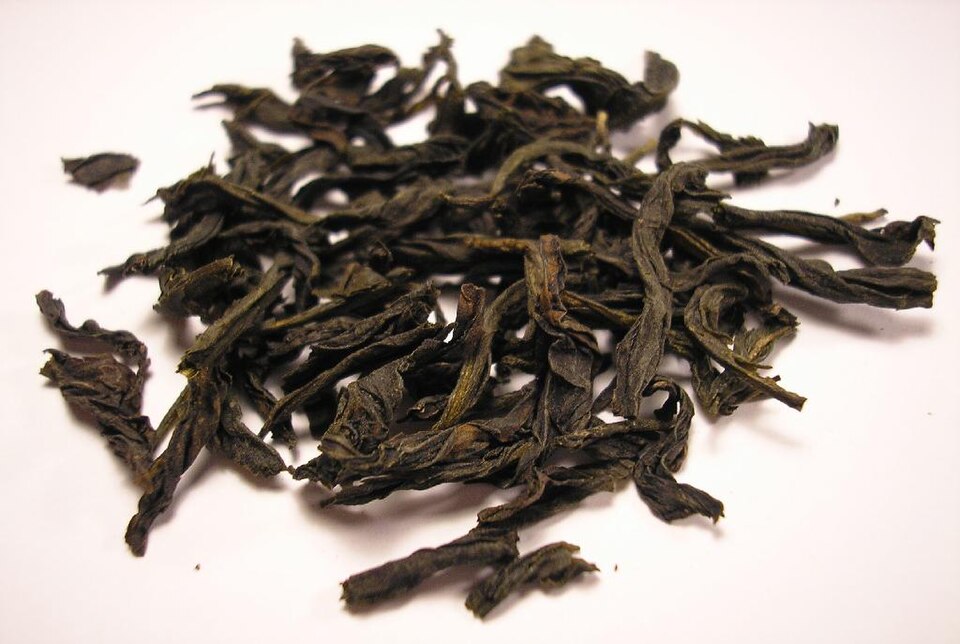
When looking to buy Tieguanyin tea, there are several quality signals to consider. First, the appearance of the leaves is a good indicator. Light roast Tieguanyin leaves are typically greener and more vibrant, while strong roast leaves are darker and have a more uniform color.
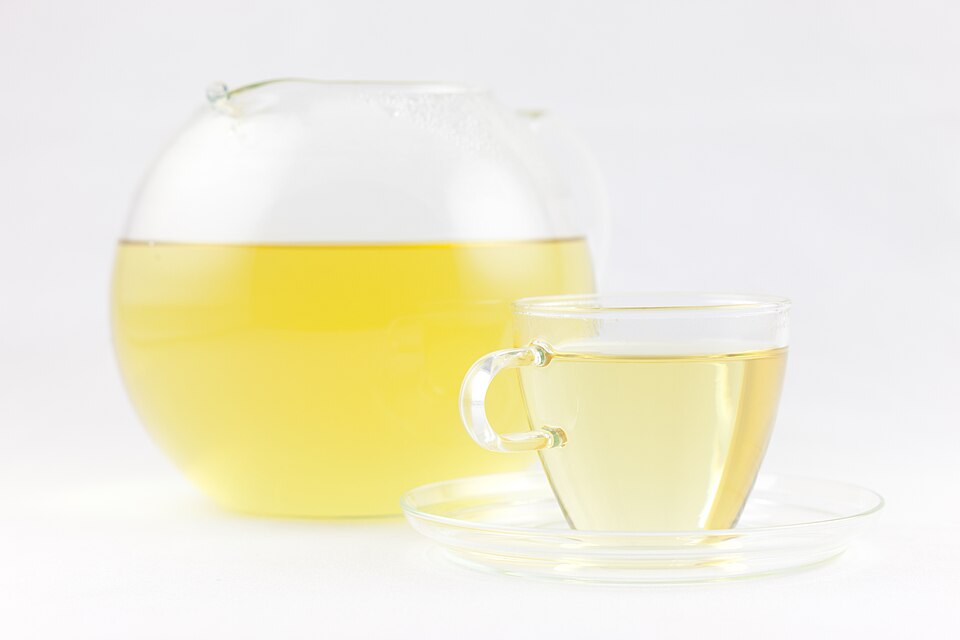
Another important factor is the aroma. Light roast Tieguanyin should have a fresh, floral aroma, while strong roast Tieguanyin will have a more robust, smoky scent. Additionally, the brewing process can reveal a lot about the quality of the tea. Light roast Tieguanyin should produce a clear, light-colored liquid with a delicate flavor, while strong roast Tieguanyin will produce a darker, richer liquid with a bold taste.
Common Buyer Mistakes
One of the most common mistakes beginners make when buying Tieguanyin tea is not understanding their personal preference. Light roast tea is great for those who enjoy a subtle, nuanced flavor, while strong roast tea is better for those who prefer a bold, robust taste. Another mistake is buying tea that is too old. Tieguanyin tea is best consumed within a year of its harvest, as the flavors can diminish over time.
Care and Cleaning
Proper care and storage are essential to maintaining the quality of Tieguanyin tea. To store light roast Tieguanyin, use an airtight container away from direct sunlight and moisture. For strong roast Tieguanyin, the same storage principles apply, but you can also store it in a cool, dry place to help preserve its flavors.
When cleaning your tea leaves, avoid washing them with water, as this can remove the essential oils. Instead, gently brush off any debris with a clean, dry cloth. If your tea leaves are clumped together, you can lightly crush them with your fingers to help release the aromas.
Who It Suits
Tieguanyin tea suits a wide range of tea drinkers, from those who prefer a delicate, floral flavor to those who enjoy a bold, smoky taste. Light roast Tieguanyin is ideal for those who are new to tea or who prefer a more subtle experience. Strong roast Tieguanyin is better for seasoned tea drinkers who enjoy a more robust flavor profile.
Gift-Worthiness
Tieguanyin tea makes a great gift for both tea enthusiasts and those new to tea. Light roast Tieguanyin is a thoughtful choice for someone who appreciates delicate flavors and fragrances, while strong roast Tieguanyin is perfect for someone who enjoys a bold, rich tea experience. When gifting Tieguanyin tea, consider the recipient's preferences and choose a tea that will suit their taste.
Bottom Line
Choosing between light and strong roast Tieguanyin tea depends on your personal preference. Light roast offers a subtle, nuanced flavor, while strong roast provides a bold, robust taste. By understanding the differences, quality signals, and common buyer mistakes, you can make an informed decision that will enhance your tea-drinking experience.
What to check before you buy
- Personal preference: Determine whether you enjoy a delicate or bold flavor.
- Appearance: Look for vibrant, green leaves for light roast and darker, uniform leaves for strong roast.
- Aroma: Light roast should have a fresh, floral scent, while strong roast should have a robust, smoky aroma.
- Storage: Ensure the tea is stored properly to maintain its quality.
- Freshness: Check the harvest date to ensure the tea is not too old.
- Packaging: Choose a tea that is well-packaged to preserve its flavors and aromas.
Same items on Amazon (15)
Titles and prices are quoted exactly as Amazon lists them (Amazon's own wording, not translated). Prices checked 2026-10-29 and can change on their end.