# The $15 Beginner Tea Set: Gaiwan, Fairness Pitcher and Tasting Cups
Hey there, welcome to the world of tea! If you're just starting out and want to dive in without breaking the bank, you're in the right place. Today, I'm talking about a simple, affordable setup that can make a huge difference in your tea experience: a $15 beginner tea set featuring a gaiwan, a fairness pitcher, and tasting cups. This isn't some fancy, overpriced kit—it's a practical way to get started without wasting money on things you might not even like.
Why Start with a Gaiwan?
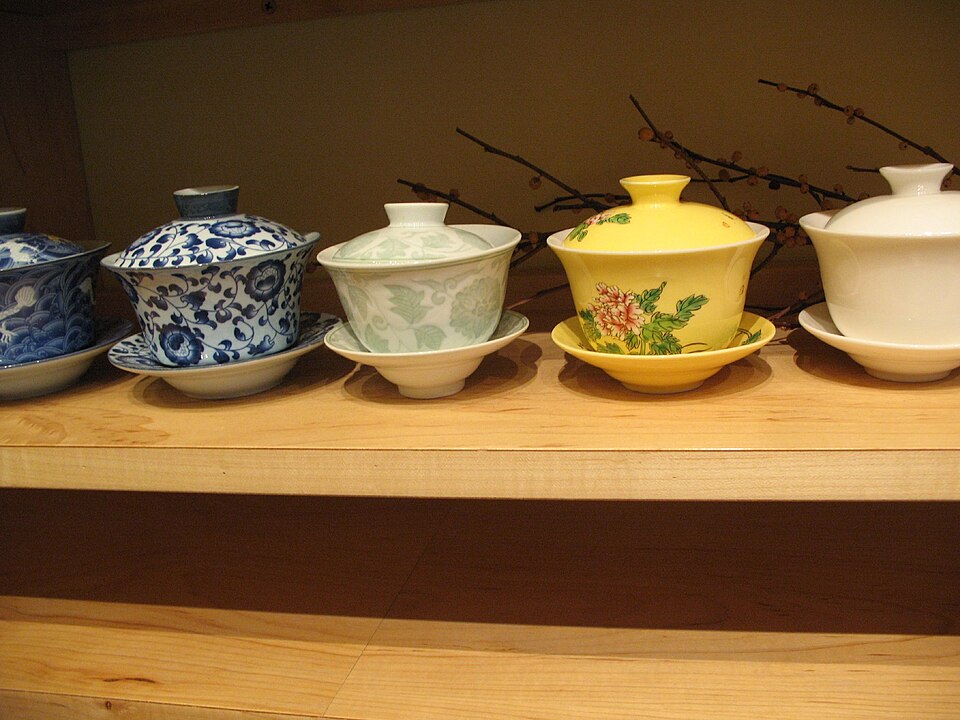
Before we dive into the specifics of the set, let's talk about why a gaiwan is such a great tool for beginners. A gaiwan is essentially a small bowl with a handle, designed for brewing tea. Unlike a teapot, it doesn't absorb flavors from previous brews, which means you won't get that dreaded cross-taste. This is super important when you're just starting out and trying to figure out what you like.
Plus, a gaiwan allows you to really appreciate the true flavor of the tea. It's made of white porcelain, which doesn't interfere with the taste, and it comes in different sizes. For beginners, a 120ml gaiwan is a standard and perfect size. It's not too big, not too small, and it gives you enough tea for a few sips without being overwhelming.
Gaiwan vs. Zisha: What's the Difference?
If you're new to tea, you might have heard of zisha teapots, which are made from clay from Yixing. They're popular among tea enthusiasts, but they're not ideal for beginners. Here's why:
- Flavor Absorption: Zisha teapots have a dual-porosity wall that absorbs flavor. This means you need to stick to one type of tea per pot (one-pot-one-tea). If you love experimenting with different teas, this can be a bit limiting.
- Steep Learning Curve: Zisha teapots require a bit of knowledge and care. They can be a bit tricky to use, especially if you're not familiar with how they work. Machine-pressed zisha pots are often passed off as handmade, so it's important to know what you're buying.
For beginners, a white-porcelain gaiwan is the way to go. It's cheap, works with any type of tea, and it's super easy to clean. Plus, you can always upgrade to a zisha teapot later once you've figured out what you like.
The $15 Beginner Tea Set: What's Included?
Now, let's talk about the actual set. For around $15, you can get a basic tea set that includes:
- A Kettle: You can reuse your home electric kettle for this. No need to buy a new one.
- A White-Porcelain Gaiwan (120ml): This is the star of the show. It's made of high-fired porcelain (1200C+), which ensures it doesn't absorb any flavor and is easy to clean.
- A Glass Fairness Pitcher (150-250ml): This is a bit bigger than the gaiwan and is used to serve the brewed tea. The glass makes it easy to see the color of the tea, which is important for判断 the quality.
- Thin White-Porcelain Tasting Cups: These have a white inner wall, which helps you read the liquor color. It's a small detail, but it makes a big difference.
Avoiding Pitfalls with Your Gaiwan
When buying a gaiwan, there are a few things to keep in mind to avoid any pitfalls:
- Material: Stick with white porcelain. Avoid wood-fired, clay, or gilt-overglaze wares. They can absorb flavors and be harder to clean.
- Size: A 120ml gaiwan is standard and perfect for beginners. It's not too big, and it gives you enough tea for a few sips.
- Rim and Knob: Look for a gaiwan with a flared rim. This prevents your fingers from getting scorched when you're holding it. A moderate knob is also important for easy handling.
Remember, 'The end of the gaiwan journey is just one gaiwan.' It's a tool that helps you appreciate tea, and it's not about collecting a bunch of them.
Everyday Tea Blends: Safe Blind-Buys for Beginners
Once you have your gaiwan and the rest of the set, you'll want to start experimenting with different teas. For beginners, it's best to stick with big-brand teas until you know what you like. Here are some safe blind-buy options:
- Ripe Pu-erh: Dayi 7572 is a benchmark blend that's great for beginners. It's smooth and has a lovely earthy flavor.
- Raw Pu-erh: Xiaguan Tuocha or Xiaguan 8653 are excellent entry-level options. They have a more delicate flavor compared to ripe pu-erh.
- Longjing Green: Gongpai or Luzhenghao are great choices. Pre-Qingming Longjing is known for its fresh, grassy notes, while pre-rain Longjing is richer and more substantial.
- Jasmine: Zhangyiyuan, Wuyutai, or Houwang are all great options. They're reasonably priced and make a fantastic cup of jasmine tea. Plus, you can even try making cold-brewed jasmine tea for a different twist.
- White Tea: Pinpinxiang, Greenleaves, or Green Snow Bud Six Wonderful are good starting points. Shoumei is a great white tea to begin with. Avoid any '10-year old white tea' claims, as that's often a heavy fake-aging zone.
- Black Tea: Keemun is a classic choice. It has a mellow honey aroma and is very approachable for beginners.
- Oolong: Bama or Fengshan tieguanyin, Xigua or Wuyi Star rock tea, and Tianchi Phoenix Dancong are all excellent options. Tieguanyin is a great starting point, and rock tea offers a more complex flavor profile.
Drink these branded teas first before you start worrying about mountain origins or specific cultivars. Once you have a better understanding of what you like, you can start exploring more niche options.
The Current Pu-erh Trend: What's Hot
These days, there's a trend towards fully feminized and youthful ripe pu-erh. If you're interested in trying it out, look for small portable formats like dragons, mini cakes, sachets, or cold brew. You'll also find a lot of innovative flavors like tangerine-peel pu-erh, rose pu-erh, or jasmine pu-erh, priced between $14-42.
Marketing for these teas often uses words like 'cut-grease,' 'de-bloat,' 'stomach-soothing,' 'sleep-aid,' 'low-cal,' and 'warm.' While these terms might sound appealing, be aware that platforms often ban words like 'weight-loss,' 'cure,' 'lower 3-highs,' 'ancient-tree,' 'Lao Banzhang,' and 'collectible appreciation.' So, if you see a tea described using those terms, it's probably best to steer clear.
Tangerine-Peel Ripe Pu-erh Wellness Recipe
If you do decide to try tangerine-peel ripe pu-erh, here's a simple wellness recipe: Take 1 small piece of dried tangerine peel and 3g of ripe pu-erh. Brew with 95C water and drink 30 minutes after meals. It's said to have mild dehumidifying effects, which can be great for desk sitters.
Avoiding Fragile-Wellness Tea Pitfalls
While there are a lot of trendy teas out there, some of them aren't as beneficial as they claim to be. Here are a few pitfalls to watch out for:
- Stay-Up Rescue Tea: These teas are often loaded with caffeine and marketed as a way to stay awake. While they might give you a temporary boost, they can actually harm your body in the long run.
- Detox Tea: Many detox teas contain laxatives, which can harm your spleen and stomach if used excessively.
- Qi-Blood Tonic Tea: Random combinations of ingredients don't necessarily make a good tonic. For example, red-date black tea might not be the best choice for everyone.
Instead, stick to more balanced and natural teas. Here are a few based on different constitutions:
- Fatigue: Goji chrysanthemum tea is a great option.
- Damp: Tangerine-peel ripe pu-erh can help regulate moisture.
- Qi-Blood Deficient: Red-date black tea is a good choice.
- Sitting-Heat: Honeysuckle white tea can help cool down internal heat.
White Tea: Starting with the Right Kind
White tea is another great option for beginners. When starting with white tea, it's best to stick with NEW shoumei. Avoid any teas labeled as '10-year old white tea,' as this is often a heavy fake-aging zone.
Shoumei is a great way to introduce yourself to the delicate and subtle flavors of white tea. It's not as delicate as some other white teas, but it's still a fantastic introduction to the world of white tea.
Gifting Tea: What to Choose
If you're looking to gift someone tea, it's best to stick with a gaiwan. It's a great way for them to explore different teas without committing to a lot of different teaware. Plus, it's a relatively inexpensive way to show someone you care about their tea experience.
If you want to gift a teapot, it's best to put the budget into clay and craft that can be clearly explained. This way, the recipient can appreciate the quality and effort that went into making the teapot.
Wrap-Up / Bottom Line
So, there you have it—a $15 beginner tea set that includes a gaiwan, a fairness pitcher, and tasting cups. This set is a great way to get started with tea without breaking the bank. Remember to stick with big-brand teas until you know what you like, and be wary of trendy teas that make bold claims. Happy brewing!