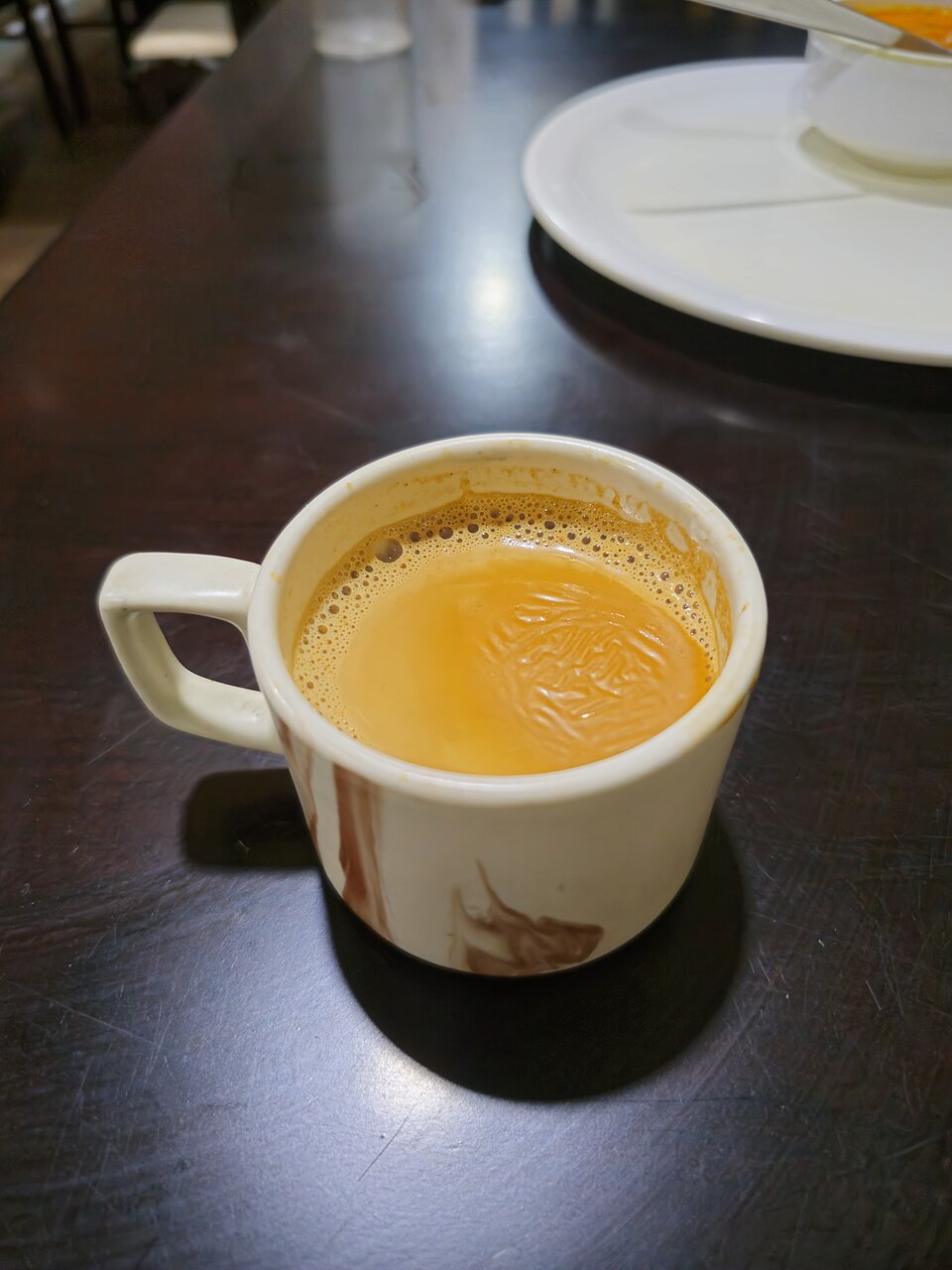
# Tea for Office Workers: Low-Caffeine Options That Won't Keep You Up
If you’re new to tea and work in an office, you’ve probably noticed how everyone seems to have a fancy mug—but you’re not sure where to start. Do you need a $200 teapot? Is all this talk about caffeine levels and origins actually important? The short answer is: no, not yet. But if you want to enjoy tea without jitters or breaking the bank, you’ll want to focus on low-caffeine options that actually help you unwind.
Let’s break down what you need to know to get started, without any fluff or fake promises.
---
What’s the Deal With Caffeine Anyway?
Most office teas are black or green, both of which pack a caffeine punch. A cup of black tea can have as much caffeine as coffee, while green tea is closer to coffee but still enough to keep you buzzing. If you’re sensitive to caffeine, you might end up with jitters or worse—sleepless nights because you had a chamomile tea at 4 PM.
Low-caffeine teas are your best friend here. These include white teas, herbal teas (tisanes), and some pu-erhs. Here’s how to pick them without wasting money.
---
Start With a Simple Gaiwan (Yes, Really)
Before you even think about a teapot, you need a white-porcelain gaiwan. Why? Because it’s cheap, versatile, and doesn’t absorb flavor (so you won’t get weird cross-tastes), making it perfect for beginners. Plus, it’s way easier to clean than a teapot.
What to Look For:
- Material: White porcelain (no gold leaf or wood-fired nonsense).
- Size: 120ml is standard—big enough for a decent pour but not so huge that it’s intimidating.
- Shape: Flared rim (so your fingers don’t get scorching hot) and a moderate knob.
- Price: $4–$7 is the sweet spot. No need to overspend here.
Pitfall to Avoid: Steer clear of wood-fired clay or gilt-overglaze wares—they’re fancy but don’t hold up well for beginners. Also, high-fired porcelain (1200°C+) is best for flavor accuracy.
The Beginner’s 4-Piece Set
If you want a complete setup without spending a fortune, look for a 4-piece set:
1. Kettle (reuse your home electric one if you have one).
2. White-porcelain gaiwan (120ml).
3. Glass fairness pitcher (150–250ml) (slightly bigger than the gaiwan to mix tea properly).
4. Thin white-porcelain tasting cups (inner wall MUST be white to see the tea color).
Total cost? Around $15. Not bad for a setup that will last you a while.
---
Steer Clear of These “Wellness” Scams
The tea world is full of trendy wellness claims, but some are just marketing hype. Here’s what to watch out for:
1. “Stay-Up Rescue Tea”
You’ve probably seen teas marketed as “energizing” or “focus boosters.” But if you’re already caffeine-sensitive, these could just make you jittery. Stick to herbal teas (more on those later) or low-caffeine pu-erhs.
2. “Detox Tea”
Herbal blends labeled “detox” often contain laxatives, which can harm your digestive system if overused. Your body detoxes on its own—tea just helps you stay hydrated.
3. “Qi-Blood Tonic Tea”
Random combos like red-date-longan tea are popular, but if you don’t know your body type, you’re just guessing. Better to stick with classic, caffeine-free options.
Instead: Focus on teas for specific needs (e.g., tangerine-peel ripe pu-erh for digestion).
---
Low-Caffeine Teas That Actually Help You Relax
Now, let’s talk about teas that won’t keep you up at night.
1. White Tea (Shoumei)
White tea is naturally low in caffeine, and shoumei (new buds) is the easiest to start with. Avoid “10-year-old white tea”——that’s just fake-aging marketing.
Brands to Try:
- Pinpinxiang (affordable and tasty).
- Greenleaves (another budget-friendly option).
2. Jasmine Tea
Jasmine is a lightly caffeinated green tea scented with jasmine flowers. It’s fresh, fragrant, and won’t give you the caffeine crash.
Brands to Try:
- Zhangyiyuan (reputable and not too expensive).
- Wuyutai (good quality for the price).
3. Ripe Pu-erh (Dayi 7572)
Ripe pu-erh is fermented black tea, so it’s low in caffeine and has a smooth, earthy flavor. It’s also great for digestion (thanks to the tangerine peel).
Brand to Try:
- Dayi 7572 (a benchmark blend, blind-buy safe).
4. Herbal Tisanes (No Caffeine)
If you want zero caffeine, go for herbal teas. Peppermint, chamomile, and rooibos are staples.
Brand to Try:
- Traditional Medicinals (reliable and organic).
---
The Trendy Side of Pu-erh (Without the Hype)
Pu-erh is having a moment, especially on Xiaohongshu, where influencers push “fully feminized” blends with cute packaging. But here’s what’s real:
The Buzzwords to Ignore:
- Weight-loss claims (no tea can magically burn fat).
- Ancient-tree hype (most tea isn’t from ancient trees—just marketing).
- Collectible titles (platforms distrust these anyway).
What’s Actually Useful:
- Small formats (mini cakes, sachets, cold brew). Perfect for desks.
- Tangerine-peel or rose pu-erh (great for digestion or a gentle caffeine boost).
Brand to Try:
- Mini Dragon Cakes (affordable and portable).
A Quick Wellness Recipe:
1. 1 small piece dried tangerine peel
2. 3g ripe pu-erh
3. 95°C water
4. Drink 30 minutes after meals
- *Benefit:* Mild dehumidifying regulation for desk sitters.
---
When to Upgrade to a Zisha Teapot (Later)
Once you’re comfortable with a gaiwan, you might want to try a zisha (Yixing) teapot. These are porous, so they absorb flavor—but that also means they’re perfect for single-leaf teas (no mixing flavors).
What to Look For:
- Huanglongshan original-ore clay (best flavor).
- Classic shapes (Shihao/Yuni) (less likely to go wrong).
- Avoid sub-$15 “fully handmade” (likely machine-pressed fakes).
Pitfall: Zisha is a steep learning curve. Don’t overspend early on—just get one when you’re ready.
---
Gifting Tea: Keep It Simple
If you’re buying tea for a coworker, err on the side of simple and affordable. A gaiwan is a great gift—it’s their first step in judging tea, and it’s hard to go wrong with a $5–$10 porcelain one.
If you want to splurge on a teapot, focus on clay and craft that can be explained clearly (e.g., “Huanglongshan clay is great for flavor”). Avoid vague terms like “collectible” or “ancient.”
---
Wrap-Up / Bottom Line
Getting into tea doesn’t have to be expensive or complicated. Start with a white-porcelain gaiwan, stick to low-caffeine teas like white, jasmine, or ripe pu-erh, and avoid trendy scams. Once you’re comfortable, you can upgrade—but for now, focus on enjoying the tea without the hype.
Happy sipping!
Same items on Amazon (40)
Titles and prices are quoted exactly as Amazon lists them (Amazon's own wording, not translated). Prices checked 2026-10-29 and can change on their end.