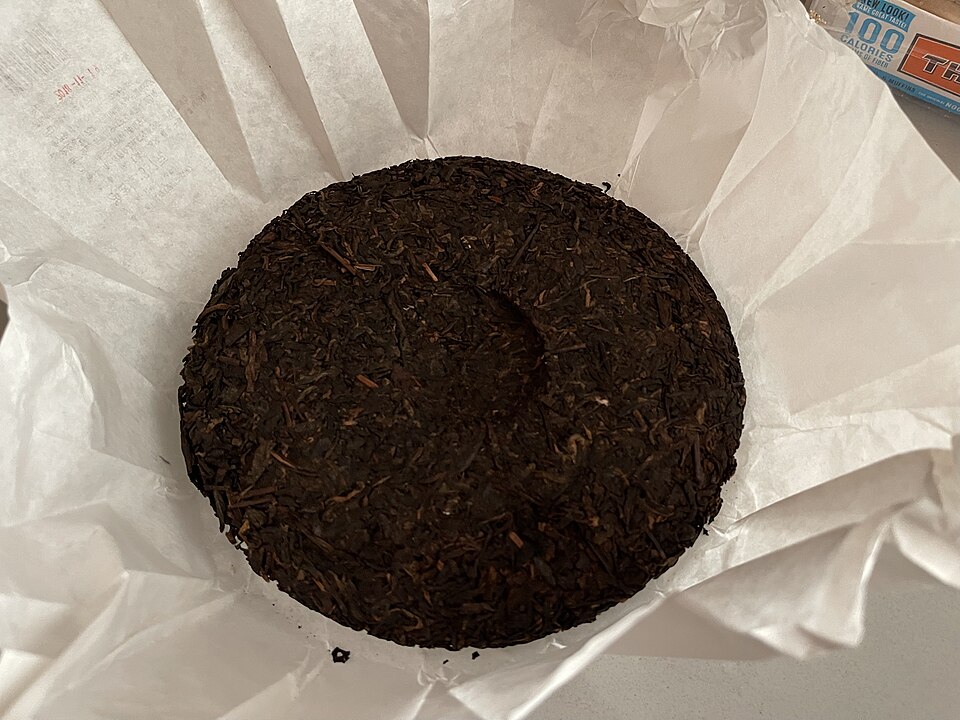
# Tangerine-Peel Ripe Pu-erh Recipe: A Dehumidifying Wellness Tea for Desk Sitters
Hey there, fellow tea explorer! If you're just dipping your toes into the vast world of tea or looking for a wholesome pick-me-up that won't break the bank, you're in the right place. Today, we're diving into a simple, budget-friendly, and oh-so-tasty wellness ritual: a tangerine-peel ripe pu-erh recipe. Perfect for those long hours glued to your desk, this blend is designed to gently dehumidify and soothe—without the hype or hefty price tag. Let’s break down everything you need to know to get started without wasting a dime.
Getting Started: Your Essential Beginner’s Toolkit
Before we jump into the recipe, let’s talk gear. The good news? You don’t need much to get started. In fact, you can often repurpose items you already have at home.
The 4-Piece Set: Your Go-To Starter Kit
For under $15, you can grab a beginner’s 4-piece set that’ll serve you well on your tea journey. Here’s what to look for:
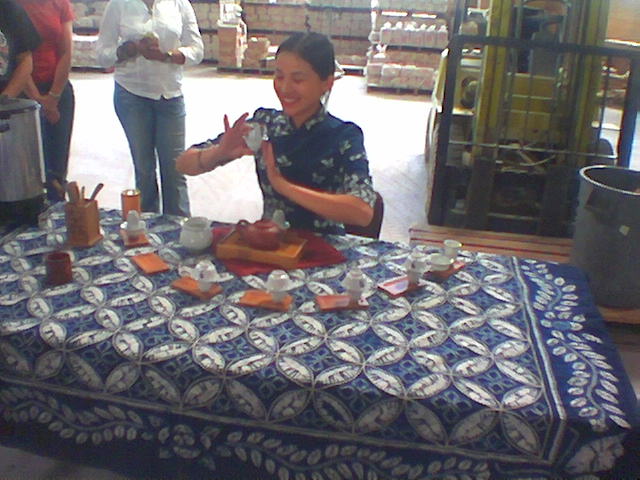
- Kettle: Reuse your existing electric kettle if you have one. Most tea doesn’t require boiling water, but having one on hand is handy.
- White-Porcelain Gaiwan: A 120ml gaiwan is standard and won’t set you back more than $4-7. White porcelain is ideal because it doesn’t absorb flavors, ensuring your tea tastes pure every time. Look for one with a flared rim (to avoid scorching your fingers) and a moderate knob. Skip wood-fired, clay, or gilt-overglaze wares; stick to high-fired porcelain (1200C+) for the best results.
- Glass Fairness Pitcher: A 150-250ml pitcher, slightly larger than your gaiwan, is perfect for serving. It helps maintain temperature and lets you appreciate the tea’s color.
- Thin White-Porcelain Tasting Cups: These cups should have a white inner wall so you can easily gauge the color of the tea liquor. They’re thin, light, and inexpensive.
Why this setup? It’s functional, affordable, and gets the job done without any fancy fuss. Plus, it’s all you’ll ever need until you’re ready to upgrade.
Gaiwan Pitfalls to Avoid
While gaiwans are fantastic, there are a few things to keep an eye out for. First, insist on white porcelain. It’s the gold standard for preserving tea’s true flavor. Avoid wood-fired or clay gaiwans—they can impart unwanted earthy notes. Also, high-fired porcelain (1200C+) is crucial. It ensures durability and purity of taste. And remember, a gaiwan is a gateway to more complex teaware, but one well-crafted piece is all you need to start. As someone once said, “The end of the gaiwan journey is just one gaiwan.”
Choosing Your Tea: Tangerine-Peel Ripe Pu-erh
Now, let’s talk tea. For this recipe, we’re focusing on tangerine-peel ripe pu-erh. Why this blend? It’s gentle, soothing, and packed with wellness benefits—perfect for desk sitters looking to dehumidify and unwind without jitters or jargon.
Everyday Tea Big Brands: Safe Blinds Buys
If you’re new to tea, blindly buying can feel overwhelming. But fear not! Big brands offer reliable, budget-friendly options that won’t disappoint. Here’s a quick guide:
- Ripe Pu-erh: Dayi 7572 is the benchmark blend. It’s consistent, well-balanced, and won’t break the bank.
- Raw Pu-erh: Xiaguan Tuocha or Xiaguan 8653 are great entry points. They’re flavorful and approachable.
- Longjing Green: Look for Gongpai or Luzhenghao. Pre-Qingming (face) is more fragrant, while pre-rain (substance) is richer.
- Jasmine: Zhangyiyuan, Wuyutai, or Houwang are budget-friendly and perfect for cold brewing.
- White Tea: Start with shoumei. Avoid any “10-year old” white tea—most of it is heavily fake-aged.
- Black Tea: Keemun is a classic with a mellow honey aroma.
- Oolong: Tieguanyin (Bama), rock tea (Fengshan), or Phoenix Dancong (Tianchi, yes, it has a duck-shit aroma—don’t let that scare you away!) are all great starting points.
Stick to these brands until you know what you like. Once you do, you can explore more niche options.
Pu-erh Trend: What’s Hot (and What’s Not)
Right now, ripe pu-erh is big, especially among younger tea drinkers. You’ll find small, portable formats like mini cakes, sachets, and cold brew options. Tangerine-peel pu-erh is particularly trendy, often marketed as:
- Cut-grease
- De-bloat
- Stomach-soothing
- Sleep-aid
- Low-calorie
- Warm
- No-additives
These terms are catchy and true to the tea’s properties. However, be wary of buzzwords like weight-loss, cure, lower 3-highs, ancient-tree, Lao Banzhang, or collectible appreciation. These are often banned on platforms like Xiaohongshu due to distrust, so take them with a grain of salt.
Tangerine-Peel Ripe Pu-erh: The Wellness Star
Tangerine-peel ripe pu-erh is a blend of fermented black tea and dried tangerine peel. The fermentation process gives it a smooth, earthy flavor, while the tangerine peel adds a citrusy zing. It’s perfect for post-meal sipping, thanks to its mild dehumidifying properties. Plus, it’s caffeine-free, making it an excellent choice for winding down without the jitters.
Brewing Your Tangerine-Peel Ripe Pu-erh
Now that you have your gear and your tea, let’s get brewing. This recipe is simple, effective, and perfect for desk sitters.
The Recipe
Here’s what you’ll need:
- 1 small piece dried tangerine peel
- 3g ripe pu-erh
- 95°C water
The Steps
1. Preheat Your Gaiwan: Pour some hot water into your gaiwan and swirl it around. Discard the water.
2. Add the Tea: Place the tangerine peel and ripe pu-erh into the preheated gaiwan.
3. Pour the Water: Gently pour 95°C water over the tea leaves. Avoid pouring directly onto the tangerine peel to prevent it from becoming too bitter.
4. Steep for 30 Minutes: Let the tea steep for about 30 minutes. This allows the flavors to meld and the tea to work its dehumidifying magic.
5. Serve and Enjoy: Strain out the tea leaves (keep the tangerine peel in for extra flavor) and serve the tea warm.
Why This Works
Tangerine-peel ripe pu-erh is all about Aroma, Fresh, Mellow, and Clean. The tangerine peel adds a bright, citrusy note, while the ripe pu-erh provides a smooth, earthy base. The 30-minute steeping time ensures the tea is fully infused without becoming overpowering.
Avoiding Fragile-Wellness Tea Pitfalls
While wellness teas are all the rage, not all of them are created equal. Here are a few pitfalls to avoid:
Viral ‘Stay-Up Rescue Tea’
Caffeine-loaded teas that promise to keep you awake might seem tempting, but they’re not sustainable. Relying on caffeine to stay alert can harm your body in the long run. Instead, opt for natural energy boosters like green tea or matcha.
‘Detox Tea’
Be cautious with teas marketed as “detox teas.” Many of them contain laxatives, which can strain your spleen and stomach. True detoxification is a holistic process, not something you can achieve with a cup of tea.
‘Qi-Blood Tonic Tea’
Random combinations of ingredients like red dates and longans might sound wholesome, but they don’t always work together harmoniously. Instead, stick to proven blends like goji chrysanthemum (for fatigue), tangerine-peel ripe pu-erh (for dampness), red-date black tea (for qi-blood deficiency), or honeysuckle white tea (for sitting-heat).
White Tea: A Fresh Start
If you’re looking to branch out, white tea is a great option. However, start with NEW shoumei. Avoid any “10-year old” white tea—most of it is heavily fake-aged and lacks the fresh, delicate flavors white tea is known for.
Gifting Tea: How to Choose
If you’re looking to gift tea, it’s best to keep it simple and practical. A gaiwan is an excellent choice—it’s a versatile piece of teaware that allows the recipient to judge the tea for themselves. It’s also affordable, so you won’t break the bank. If you’re gifting a pot, invest in Huanglongshan original-ore clay and classic shapes like Shihao or Yuni. Make sure you can explain the craft and the clay, as this adds value and authenticity.
Wrap-Up / Bottom Line
Getting into tea doesn’t have to be complicated or expensive. With a simple setup, budget-friendly brands, and a few key recipes, you can enjoy a delightful and wellness-boosting tea ritual without wasting a dime. Tangerine-peel ripe pu-erh is a fantastic starting point for desk sitters looking to dehumidify and soothe. Remember to stick to reliable brands, avoid pitfalls, and enjoy the journey. Cheers!
Same items on Amazon (40)
Titles and prices are quoted exactly as Amazon lists them (Amazon's own wording, not translated). Prices checked 2026-10-29 and can change on their end.