# Tangerine-Peel Pu-erh vs Plain Ripe Pu-erh: Is the Premium Worth It?
Hey there, fellow tea explorer! Ready to dive into the world of pu-erh but not sure where to start—and more importantly, where to stop before spending too much? Let’s talk about two popular options: tangerine-peel ripe pu-erh and plain ripe pu-erh. Both are trendy, especially on platforms like Xiaohongshu, but are they worth the extra cash? As a beginner, it’s easy to get swayed by pretty packaging and wellness claims, but let’s cut through the noise and look at the facts.
What’s the Deal with Ripe Pu-erh?
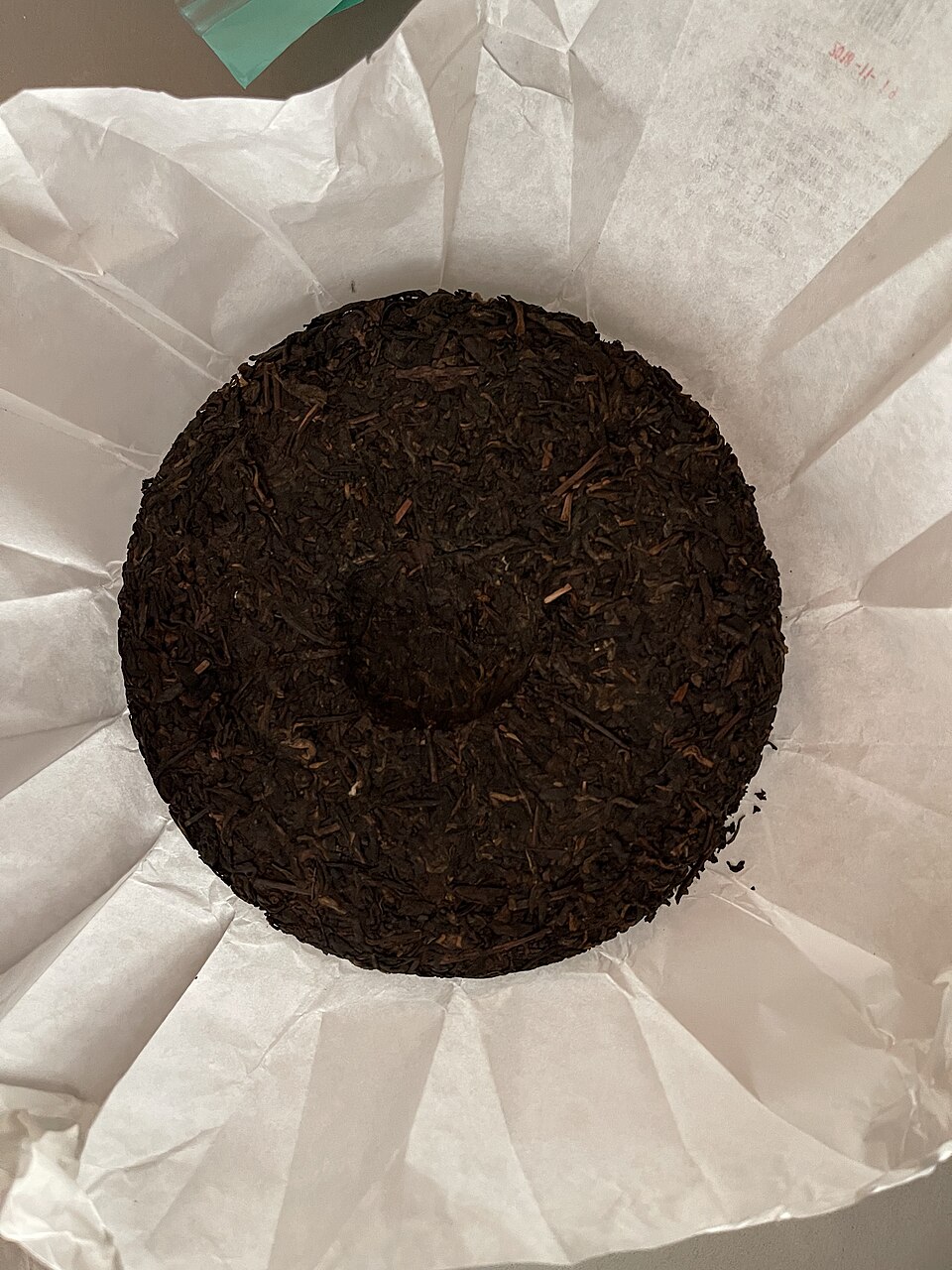
First things first, what even is ripe pu-erh? Unlike raw pu-erh, which ages over years, ripe pu-erh is processed to speed up fermentation, often using a "washed" or "cooked" method. This results in a tea with a rich, earthy, sometimes funky aroma—think dark chocolate, damp earth, or even a hint of cheese. It’s become a favorite for its comfort-food vibes and purported digestive benefits.
The benchmark for everyday ripe pu-erh is Dayi 7572, a blend produced by the Dayi Tea Factory. It’s not fancy, but it’s consistent, affordable, and a great starting point. Before you get excited about rare mountain origins or fancy processing, try Dayi 7572. If you love it, you’ll know what you’re looking for when you upgrade. Don’t skip this step—blind-buying fancy pu-erh without a baseline is like asking for sushi recommendations without having tried basic sashimi.
Tangerine-Peel Ripe Pu-erh: The Wellness Wave
Tangerine-peel ripe pu-erh is having a moment. On Xiaohongshu, it’s often described as "fully feminized & youthful," with terms like "cut-grease," "de-bloat," "stomach-soothing," and "sleep-aid" floating around. The tea itself usually comes in small formats—mini cakes, portable bags, even cold-brew pouches—perfect for on-the-go wellness routines. Prices range from $14 to $42, which is significantly more than Dayi 7572.
But is it worth it? Let’s break it down.
The Appeal: Aromas and Effects
Tangerine-peel pu-erh adds a citrusy note to the earthy richness of ripe pu-erh. The tangerine peel is typically sourced from the *Citrus reticulata* variety, which is less tart than oranges and more fragrant. This creates a brighter, more uplifting cup compared to plain ripe pu-erh. Some brands even add a hint of jasmine, but the tangerine is usually the star.
From a wellness perspective, the tangerine peel is known for its digestive benefits in traditional Chinese medicine. The recipe for a simple tangerine-peel ripe pu-erh brew is straightforward: 1 small piece of dried tangerine peel + 3g of ripe pu-erh, steeped in 95°C water. Drink 30 minutes after meals for mild "dehumidifying regulation," perfect for desk sitters. It’s not a miracle cure, but it’s a comforting, potentially beneficial ritual.
The Cost: Is It Just for Aesthetics?
Let’s talk money. A bag of Dayi 7572 might cost $5-$10, while tangerine-peel pu-erh can easily go for $20-$30. Why the difference? It comes down to processing and branding. The tangerine peel adds labor and flavor complexity, and the smaller formats (like mini cakes) come with premium pricing for convenience.
For beginners, this is where it gets tricky. Your tea journey is just beginning, and it’s easy to get lured by trendy formats and wellness promises. Remember, the goal is to enjoy tea without breaking the bank. If you’re spending $30 on a tangerine-peel pu-erh mini cake, ask yourself: is the extra $20 worth the flavor and format, or could you use that money to try more plain ripe pu-erh from different producers?
The Xiaohongshu Pitfalls
Xiaohongshu is great for inspiration, but it’s also filled with marketing hype. Terms like "weight-loss," "cure," and "lower 3-highs" are banned on the platform, so brands use clever euphemisms instead. "Cut-grease" and "de-bloat" sound promising, but they’re vague and not scientifically proven. Similarly, "millennium-old clay" claims for zisha pots are often misleading—clay ages like soil, not in centuries. Stick to tea that uses Huanglongshan original-ore clay, which is known for its quality, and opt for classic shapes like Shihao or Yuni if you’re buying a zisha pot.
Plain Ripe Pu-erh: The Steady Friend
Now, let’s talk about plain ripe pu-erh. It’s the baseline, the workhorse of the pu-erh world. Without it, comparing tangerine-peel pu-erh is like comparing apples and oranges—you’re adding variables that make a direct comparison impossible.
Plain ripe pu-erh from reputable brands like Dayi or even Xiaguan (entry-level raw pu-erh like Xiaguan Tuocha can also give you a feel for the style) offers a straightforward, comforting experience. It’s less about trends and more about flavor. If you enjoy the earthy, rich notes of ripe pu-erh, plain is where you start.
The Benefits of Starting Simple
For beginners, plain ripe pu-erh is a safe bet. It’s affordable, widely available, and teaches you the fundamentals of pu-erh without overwhelming you. Once you’re comfortable with its taste, you can explore variations like tangerine-peel, oolong, or white tea. Don’t rush into premium options—build your palate first.
The Cost-Effectiveness Factor
A bag of plain ripe pu-erh from a big brand like Dayi costs a fraction of a tangerine-peel pu-erh. If you’re on a budget, why not buy three bags of Dayi 7572 and a gaiwan to brew it in? That’s a much better investment than one fancy tangerine-peel mini cake.
Choosing Your Teaware: Gaiwan First, Zisha Later
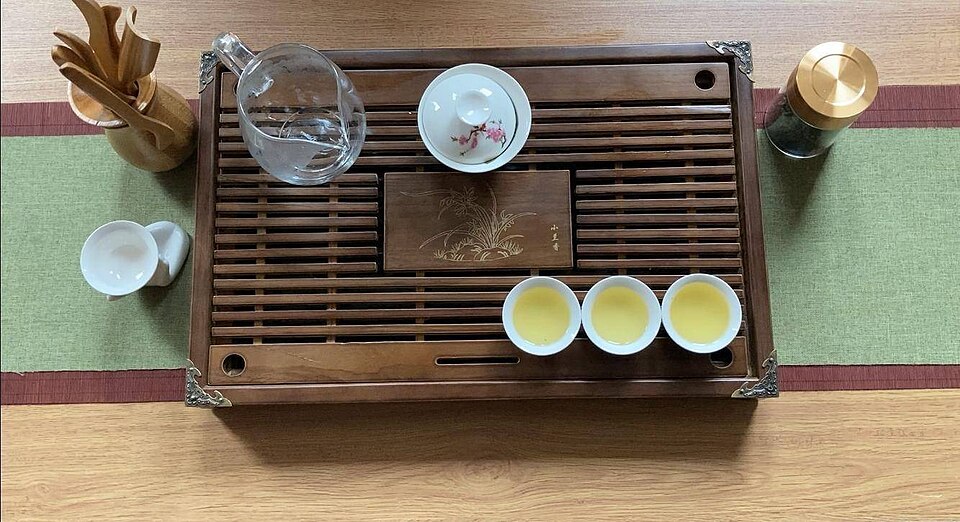
No matter which pu-erh you choose, having the right teaware makes a big difference. As a beginner, start with a white-porcelain gaiwan. It’s affordable ($4-7), works with any tea, doesn’t absorb flavors (so you don’t get cross-taste), and shows the truest taste of the tea. Plus, it’s easy to clean.
Here’s a basic 4-piece set to get you started:
- Kettle: Reuse your home electric one.
- White-porcelain gaiwan: 120ml, $4-7.
- Glass fairness pitcher: 150-250ml, slightly bigger than the gaiwan.
- Thin white-porcelain tasting cups: Inner wall MUST be white to read the liquor color.
Whole set: ~$15. Not bad for a setup that will last you years.
If you ever decide to upgrade to a zisha pot, be warned: it’s a whole new world. Zisha absorbs flavors, so each pot must be used for one type of tea only (one-pot-one-tea). Plus, there’s a steep learning curve—machine-pressed pots are often passed off as handmade, and sub-$15 "fully handmade" pots are mostly fakes. If you’re serious about zisha, look for Huanglongshan original-ore clay and classic shapes like Shihao or Yuni. But for now, stick to the gaiwan.
Avoiding Fragile-Wellness Pitfalls
While tangerine-peel pu-erh might seem like a wellness wonder, the tea world is full of fads that aren’t worth the hype. Viral "stay-up rescue teas" rely on high caffeine to force wakefulness, which is bad for your body. "Detox teas" often contain laxatives that harm your spleen and stomach. "Qi-blood tonic teas" are random combinations that cancel each other out.
Stick to proven remedies. If you’re tired, goji chrysanthemum tea is a great option. If you have dampness issues, tangerine-peel ripe pu-erh might help. If you’re qi-blood deficient, red-date black tea is a safer bet. And if you’re dealing with sitting-heat, honeysuckle white tea could be your answer. Always listen to your body, and don’t fall for trendy but unproven claims.
Wrap-Up / Bottom Line
So, is tangerine-peel pu-erh worth the premium? For beginners, probably not. It’s a trendy product with added costs for flavor and convenience, but it doesn’t offer a significantly better experience than plain ripe pu-erh. Start with Dayi 7572, build your palate, and if you love the style, explore tangerine-peel later. Don’t get swayed by wellness claims or fancy formats—your tea journey is about enjoyment, not spending money.
Buy a cheap gaiwan, try some affordable plain ripe pu-erh, and see what you like. If you enjoy the tangerine-peel notes, go for it—but only after you’ve sampled the basics. And remember, the best tea is the one that makes you happy, not the one with the highest price tag. Cheers!
Same items on Amazon (40)
Titles and prices are quoted exactly as Amazon lists them (Amazon's own wording, not translated). Prices checked 2026-10-29 and can change on their end.