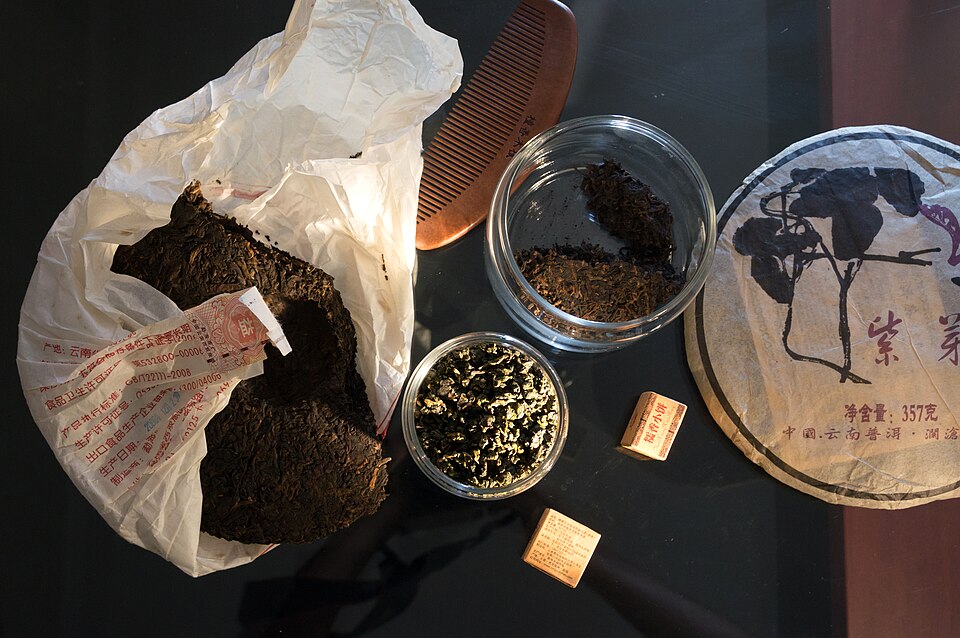
# Ripe vs Raw Pu-erh: Which One Should Beginners Start With?
Choosing your first Pu-erh tea can feel like stepping into a complex world of flavors and traditions. Ripe (shou) and raw (sheng) Pu-erh are two distinct categories, each with its own production methods, aging processes, and taste profiles. For beginners, navigating these differences can be tricky. This guide breaks down the key considerations to help you make an informed decision.
Understanding Pu-erh: The Basics
Pu-erh tea originates from the Yunnan province in China and is known for its unique processing and aging capabilities. Both ripe and raw Pu-erh are made from the same Camellia sinensis plant but undergo different post-production treatments. Ripe Pu-erh is aged through a controlled fermentation process, while raw Pu-erh is allowed to age naturally over time.
The production process significantly influences the tea's flavor, texture, and aroma. Ripe Pu-erh tends to have a milder, earthier taste with fewer astringent notes, making it more approachable for beginners. Raw Pu-erh, on the other hand, offers a complex flavor profile that evolves with age, often displaying fruity, woody, and nutty notes.
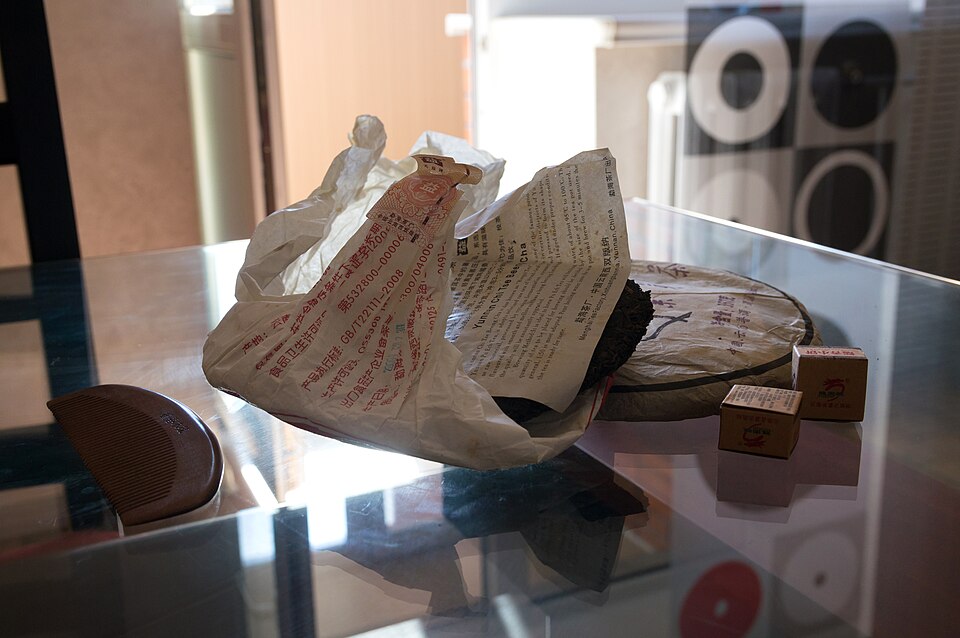
Key Differences Between Ripe and Raw Pu-erh
Taste and Aroma
Ripe Pu-erh is characterized by its rich, smooth, and slightly sweet flavor, often described as earthy or mossy. The aroma is usually less intense, with hints of woodsmoke or damp soil. This makes it a good starting point for those new to Pu-erh.
Raw Pu-erh, in contrast, has a more vibrant and varied flavor profile. Initial brews may be astringent or bitter, but they often develop into sweet, fruity, or nutty notes with aging. The aroma is typically more pronounced, with hints of flowers, fruits, or spices.
Aging Process
Ripe Pu-erh undergoes a microbial fermentation process that accelerates aging. This is achieved by adding moisture and heat, which breaks down the tea leaves more quickly. The result is a tea that is ready to drink within a few months to a year.
Raw Pu-erh is aged naturally over years, sometimes decades. The process involves moisture and microbial activity, but it occurs at a much slower pace. This allows the tea to develop a more complex and nuanced flavor profile over time.
Texture and Mouthfeel
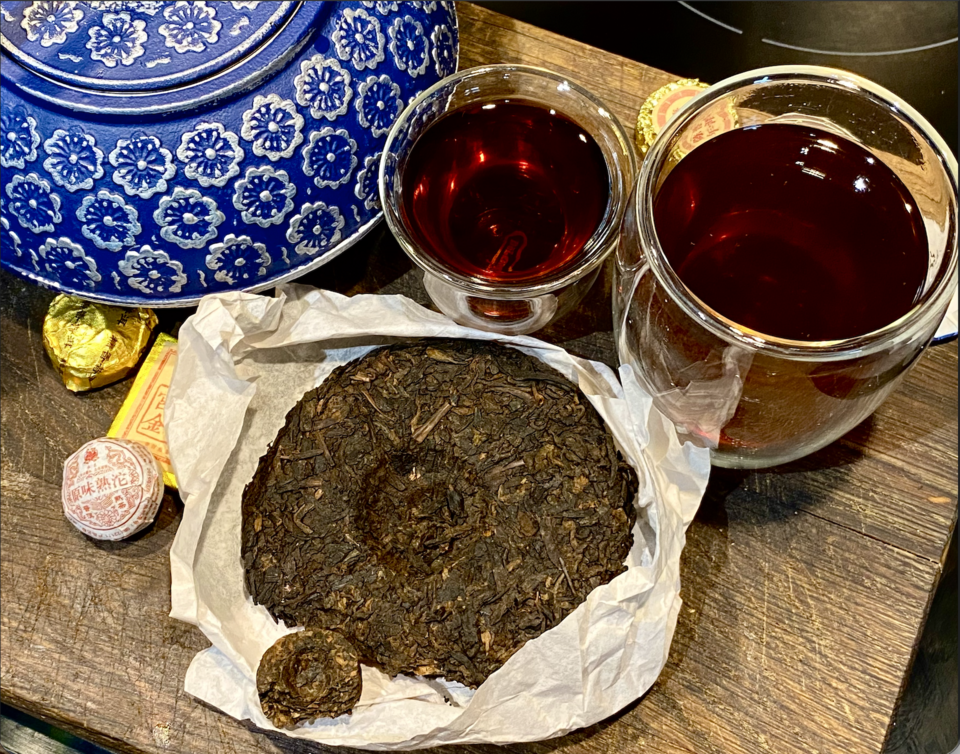
Ripe Pu-erh typically has a smoother, softer mouthfeel due to the fermentation process. The tea leaves are broken down, resulting in a less astringent and more approachable texture. This makes it easier for beginners to enjoy without overwhelming their palate.
Raw Pu-erh often has a more robust and slightly gritty texture, especially in younger batches. As it ages, the texture can become smoother, but it may still retain some astringency, particularly in the initial brews.
Who Should Start With Ripe Pu-erh?
Ripe Pu-erh is generally recommended for beginners due to its milder flavor and smoother texture. It is less intimidating for those new to Pu-erh and provides a gentle introduction to the category. If you enjoy earthy, nutty, or slightly sweet teas, ripe Pu-erh is a good choice.
Additionally, ripe Pu-erh is often more affordable, making it a practical option for those on a budget. Most options sit somewhere between budget and mid-range, offering good value for beginners. It is also a versatile tea that can be enjoyed hot or cold, with or without additions like milk or honey.
Who Should Start With Raw Pu-erh?
Raw Pu-erh is better suited for tea enthusiasts who are willing to experiment with more complex flavors and textures. If you enjoy the idea of aging a tea and watching its flavor profile evolve over time, raw Pu-erh can be a rewarding experience.
However, raw Pu-erh can be more expensive, particularly for high-quality, aged batches. The initial taste may be less approachable for beginners, as it can be astringent or bitter. This requires a bit more patience and an openness to developing a taste for the tea over time.
For those interested in collecting or investing in tea, raw Pu-erh can be a worthwhile venture. High-quality raw Pu-erh can appreciate in value as it ages, making it a unique form of tea investment. However, this is a long-term commitment and may not be suitable for all beginners.
Quality Signals Worth Paying For
When choosing between ripe and raw Pu-erh, there are several quality signals to consider. These can help you identify a good product and avoid common buyer mistakes.
Ripe Pu-erh
- Aroma: Look for a rich, earthy, and slightly sweet aroma. Avoid any tea that smells moldy or off.
- Color: Ripe Pu-erh should have a dark, reddish-brown color. Lighter colors may indicate lower quality.
- Packaging: Choose tea that is well-packaged and sealed to preserve freshness. Avoid loose leaves in flimsy bags.
Raw Pu-erh
- Aroma: Look for a vibrant and complex aroma, with hints of flowers, fruits, or spices. Avoid any tea that smells stale or dull.
- Color: Raw Pu-erh can range from light to dark, depending on the age. High-quality raw Pu-erh will have a consistent color.
- Packaging: Similar to ripe Pu-erh, ensure the tea is well-packaged and sealed to maintain freshness.
Common Buyer Mistakes
Overlooking Storage
Proper storage is crucial for maintaining the quality of Pu-erh tea. Both ripe and raw Pu-erh should be stored in a cool, dry, and dark place away from direct sunlight and strong odors. Avoid storing tea in the refrigerator or freezer, as moisture can affect the flavor.
Ignoring the Tea's Age
For raw Pu-erh, the age of the tea is a significant factor. Younger batches may be more astringent, while older batches tend to be smoother and more complex. Beginners should start with younger raw Pu-erh if they are new to the category.
Choosing Based on Price Alone
While price is an important consideration, it should not be the only factor. High-priced tea does not always guarantee better quality. Look for tea that offers good value and meets your personal preferences.
Care and Cleaning
Pu-erh tea does not require extensive cleaning, but proper handling can help preserve its quality. Here are some basic care tips:
- Use a clean and dry teapot or cup to avoid transferring flavors.
- Avoid using metal utensils, as they can affect the taste of the tea.
- Rinse the teapot or cup with hot water before brewing to remove any residual flavors.
Gift-Worthiness
Both ripe and raw Pu-erh can make excellent gifts, depending on the recipient's preferences. Ripe Pu-erh is a safe choice for those who are new to tea, while raw Pu-erh can be a more unique and sophisticated gift for experienced tea enthusiasts.
When selecting a Pu-erh tea as a gift, consider the packaging. A beautifully packaged tea can enhance the gift's appeal and make it a more memorable present. Look for tea that comes in a high-quality box with a descriptive tag, which can add a touch of elegance.
Bottom Line
Choosing between ripe and raw Pu-erh depends on your personal preferences and experience level. Ripe Pu-erh is a great starting point for beginners due to its milder flavor and smoother texture, while raw Pu-erh offers a more complex and evolving taste profile for those willing to experiment. Consider the quality signals, common buyer mistakes, and care tips to make an informed decision.
What to Check Before You Buy
- Aroma and color to ensure freshness and quality.
- Packaging to ensure proper sealing and preservation.
- Age of the tea, especially for raw Pu-erh.
- Price to find a good balance between cost and quality.
Same items on Amazon (40)
Titles and prices are quoted exactly as Amazon lists them (Amazon's own wording, not translated). Prices checked 2026-10-29 and can change on their end.