# Pu-erh Storage at Home: Humidity, Odor and the Mold Question
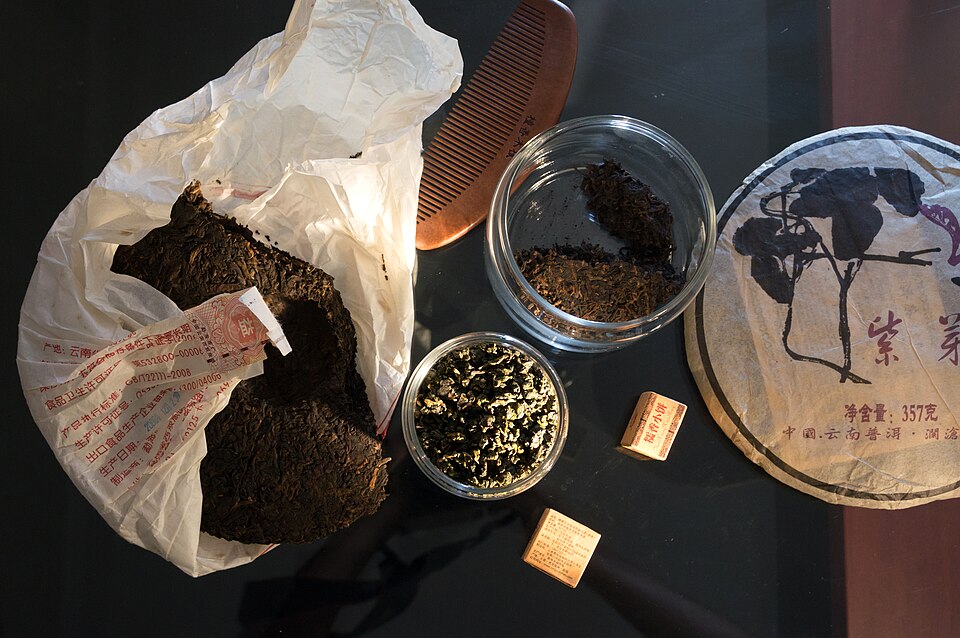
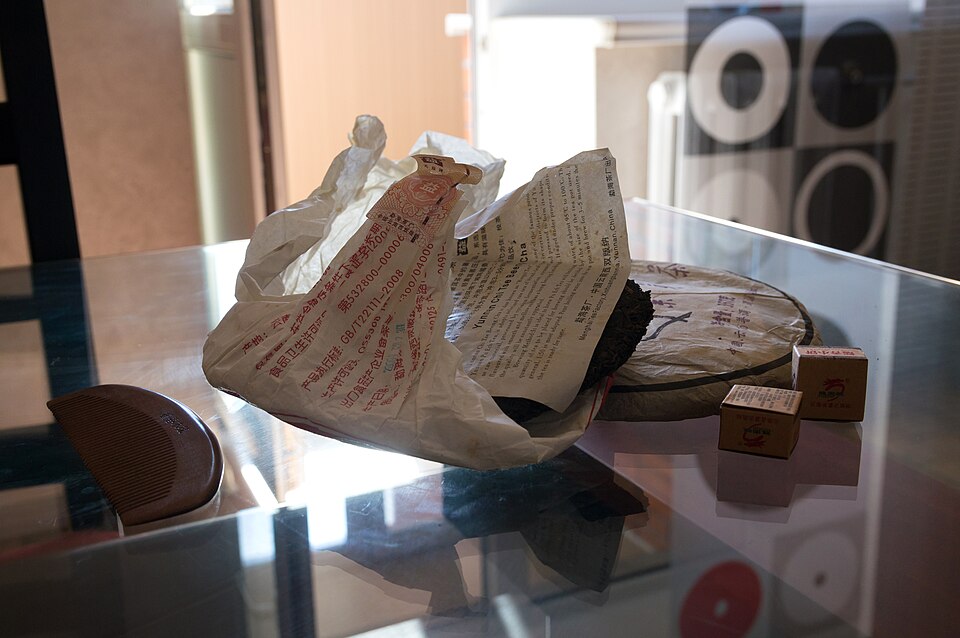
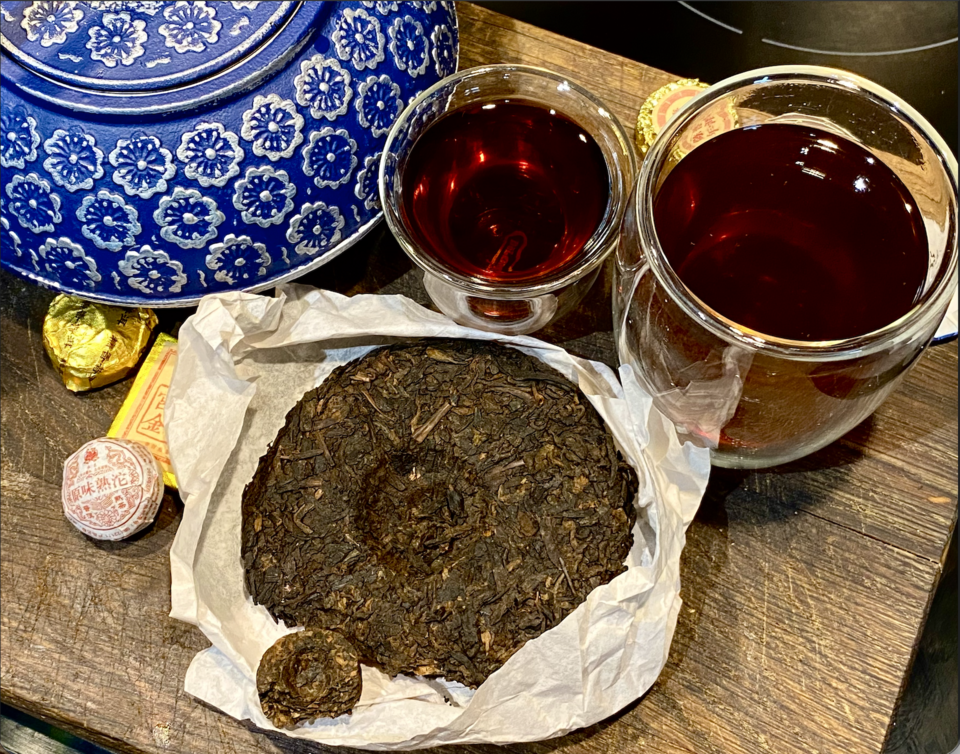
Pu-erh tea is a unique category of Chinese tea, prized for its aging qualities and complex flavors. Unlike other teas, pu-erh comes in compressed forms like bricks, cakes, or balls, which require careful storage to develop properly. Proper storage ensures the tea retains its aroma, prevents unwanted odors from seeping in, and avoids mold growth—a common concern for pu-erh enthusiasts. Whether you’re a casual tea drinker or a serious collector, understanding how to store pu-erh at home is essential.
Why Pu-erh Storage Matters
Pu-erh tea, especially raw (sheng) or aged (shou) varieties, is sensitive to environmental conditions. Improper storage can lead to accelerated degradation, loss of flavor, or, worse, mold contamination. Unlike loose-leaf teas that can be stored in airtight containers, pu-erh’s compressed form and aging potential require more attention. The key factors to consider are humidity, odor control, and mold prevention.
Most pu-erh tea enthusiasts store their tea in a cool, dry place with minimal exposure to light and air. However, pu-erh’s unique properties mean it can benefit from certain conditions, especially during the aging process. For example, some raw pu-erh is best stored in a slightly humid environment to encourage proper fermentation. On the other hand, mold growth is a serious risk if the tea is exposed to too much moisture.
Common Storage Materials and Options
When it comes to storing pu-erh, the material used for the container plays a significant role. Here are the most common options:
- Ceramic Ware: Ceramic pots or jars with airtight lids are popular because they provide a balanced environment—cool, dark, and with controlled airflow. They’re often porous enough to allow a slight exchange of gases, which can be beneficial for aging pu-erh. However, they’re not completely airtight, so they’re best for short-term storage or when you plan to consume the tea relatively quickly.
- Bamboo Containers: Bamboo is a natural material that’s both breathable and aromatic. It can help absorb excess moisture while allowing the tea to “breathe,” which is ideal for aging pu-erh. However, bamboo containers may not be as airtight as ceramic or glass options, so they’re better suited for environments with stable humidity levels.
- Glass Jars: Glass is non-porous and airtight, making it excellent for long-term storage. It prevents odors from seeping in or leaking out and maintains a stable environment. However, glass can be fragile, and some pu-erh enthusiasts argue that it doesn’t allow the tea to “breathe” as well as ceramic or bamboo. Glass is a good choice for those prioritizing mold prevention and airtightness.
- Paper or Cloth Bags: For short-term storage or when traveling, paper or cloth bags lined with desiccants can work. These are less ideal for long-term storage because they don’t provide as much protection against humidity and odor.
Most options sit somewhere between budget and mid-range in terms of price. Ceramic and glass containers tend to be more expensive, while bamboo and paper bags are more affordable. The best choice depends on your storage needs, budget, and how long you plan to keep the tea.
Quality Signals and Trade-offs
When shopping for pu-erh storage, look for these quality signals:
- Airtight Seals: Regardless of the material, the container should have a tight seal to prevent moisture and odors from entering. Check if the lid fits snugly and if there are any gaps.
- Porosity (for Aging): If you’re storing pu-erh for long-term aging, choose materials that allow some gas exchange, like ceramic or bamboo. Materials that are completely airtight, such as glass, may not be ideal for ongoing fermentation.
- Moisture Resistance: Avoid containers made of materials that retain moisture, such as untreated wood or fabrics that don’t dry out easily.
- Odor Control: Pu-erh can absorb strong odors, so choose containers made of neutral materials like glass or untreated ceramic.
There’s usually a trade-off between airtightness and porosity. Glass and plastic containers are excellent at preventing mold and odor but don’t allow the tea to “breathe.” Ceramic and bamboo offer better airflow but are less airtight. Most pu-erh enthusiasts prioritize mold prevention, so airtight options are often preferred, especially for raw pu-erh.
Common Buyer Mistakes to Avoid
Many people make mistakes when storing pu-erh, leading to diminished quality or mold growth. Here are the most common ones:
- Storing in the Fridge or Freezer: While these environments are cool and dark, they can introduce excessive moisture and fluctuating temperatures, which are harmful to pu-erh. Pu-erh should be stored in a cool, dry place, not in the fridge unless it’s already in an airtight container and the environment is very dry.
- Using Containers with Strong Odors: Pu-erh is highly absorbent. Store it in containers made of neutral materials, not scented plastics or treated woods that could transfer unwanted smells.
- Exposing the Tea to Air and Light: Pu-erh should be kept in airtight containers away from direct sunlight. Oxygen and light can degrade the tea’s quality.
- Overpacking the Container: Leave some space at the top of the container to allow for any expansion or contraction of the tea. Overpacking can lead to uneven moisture distribution.
Care and Cleaning
Proper care of your pu-erh storage container ensures it remains effective over time. Here’s what to keep in mind:
- Regular Cleaning: Clean the container with mild soap and water occasionally, but ensure it’s completely dry before placing the tea inside. Moisture left in the container can lead to mold growth.
- Inspect for Damage: Check the container for cracks or wear that could compromise its airtight seal. Replace it if necessary.
- Avoid Chemical Cleaners: Stay away from harsh chemicals that could leave residues harmful to the tea.
Who It Suits and Gift-Worthiness
Pu-erh storage is ideal for:
- Tea Enthusiasts: Anyone who regularly consumes or collects pu-erh will appreciate proper storage solutions.
- Home Cooks: Those who enjoy brewing tea as part of their meal prep will benefit from keeping their pu-erh fresh.
- Gift Recipients: A high-quality pu-erh storage container makes an excellent gift for tea lovers.
When buying for gifting, consider the recipient’s storage needs. Airtight, durable containers in neutral materials like ceramic or glass are generally well-received. Avoid overly decorative options that may compromise functionality.
Bottom Line
Storing pu-erh properly is crucial for preserving its quality and preventing mold. Choose containers made of airtight, neutral materials like glass or ceramic, or breathable options like bamboo if you’re focusing on aging. Avoid the fridge, strong odors, and overpacking, and clean your containers regularly. With the right storage, your pu-erh will stay fresh and flavorful for years.
What to Check Before You Buy
- Airtight Seal: Ensure the container has a tight lid to prevent moisture and odors from entering.
- Material: Prefer neutral materials like glass, ceramic, or bamboo for odor control and aging potential.
- Size: Choose a container that fits your tea quantity but leaves some space at the top.
- Price: Most options sit between budget and mid-range, with higher prices reflecting better quality and durability.
Same items on Amazon (40)
Titles and prices are quoted exactly as Amazon lists them (Amazon's own wording, not translated). Prices checked 2026-10-29 and can change on their end.