# Pu-erh Cake vs Mini Tuocha vs Sachets: Format Guide for Small Households
Choosing the right format for your Pu-erh tea can be a practical decision, especially if you're living in a smaller household or trying to streamline your tea collection. Pu-erh tea comes in several formats, each with its own advantages and considerations. Understanding the differences between Pu-erh cakes, mini tuochas, and tea sachets can help you find the option that best fits your lifestyle, storage space, and brewing habits. This guide explores the key aspects of each format to help you make an informed choice.
How Pu-erh Tea Is Made and Its Formats
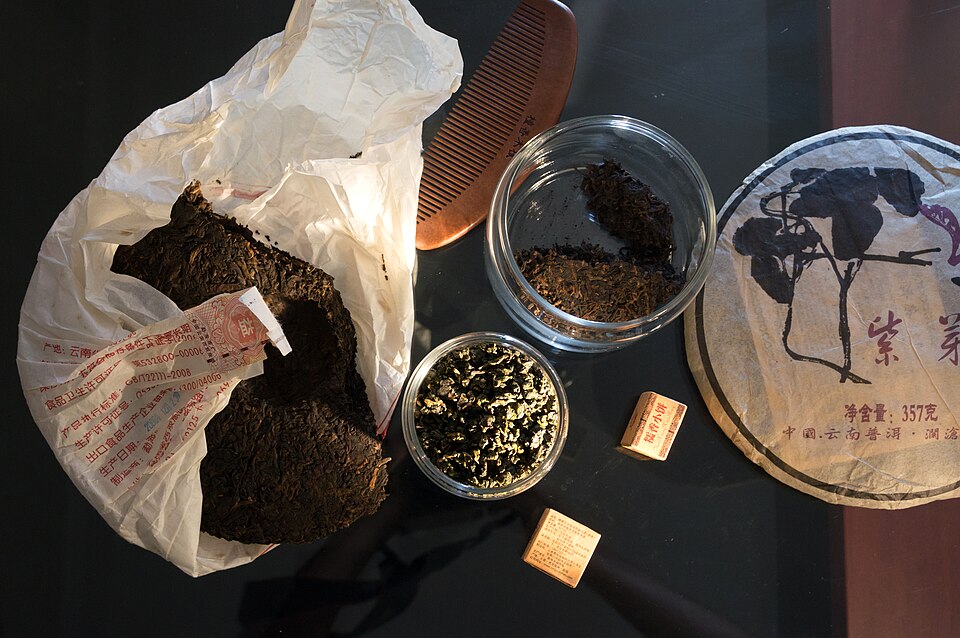
Pu-erh tea is a type of dark tea that undergoes a unique fermentation process. It's made from the leaves of the Camellia sinensis plant and is distinguished by its aging properties. Pu-erh tea is typically compressed into various shapes, with the most common being cakes (known as "pien" in Chinese) and bricks (known as "tuocha").
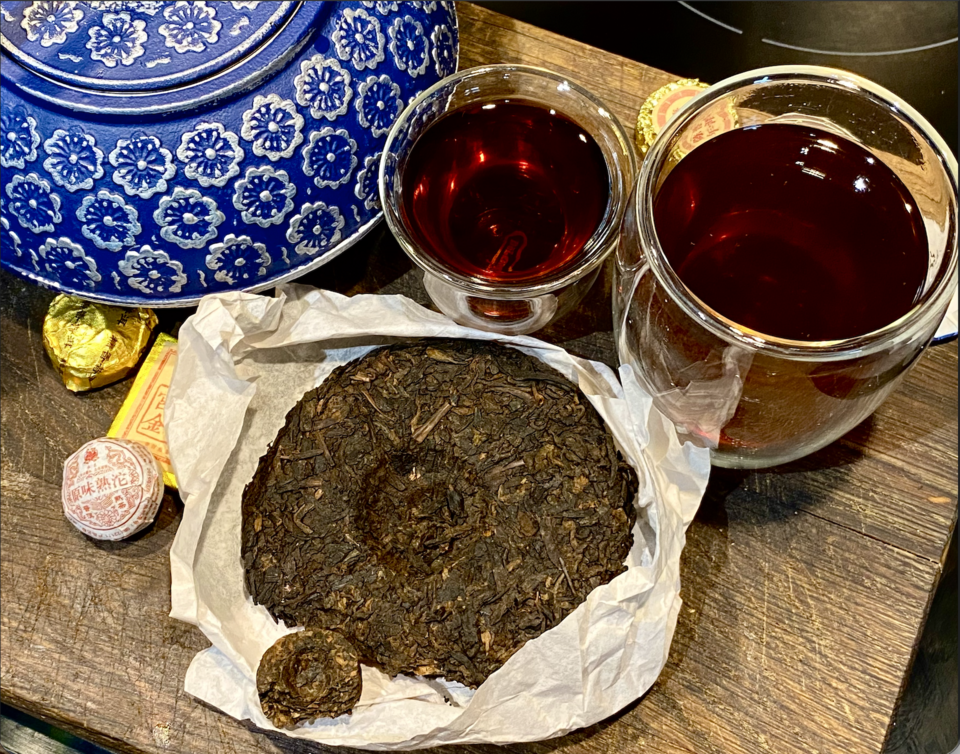
Pu-erh cakes are large, dense compressions of tea leaves, often weighing between 250 grams and 1 kilogram. They are traditionally pressed into circular shapes with a square top and bottom. Mini tuochas are smaller versions of the traditional Pu-erh bricks, usually weighing around 100 grams or less. Tea sachets, on the other hand, contain loose-leaf Pu-erh tea that has been packaged for convenience.
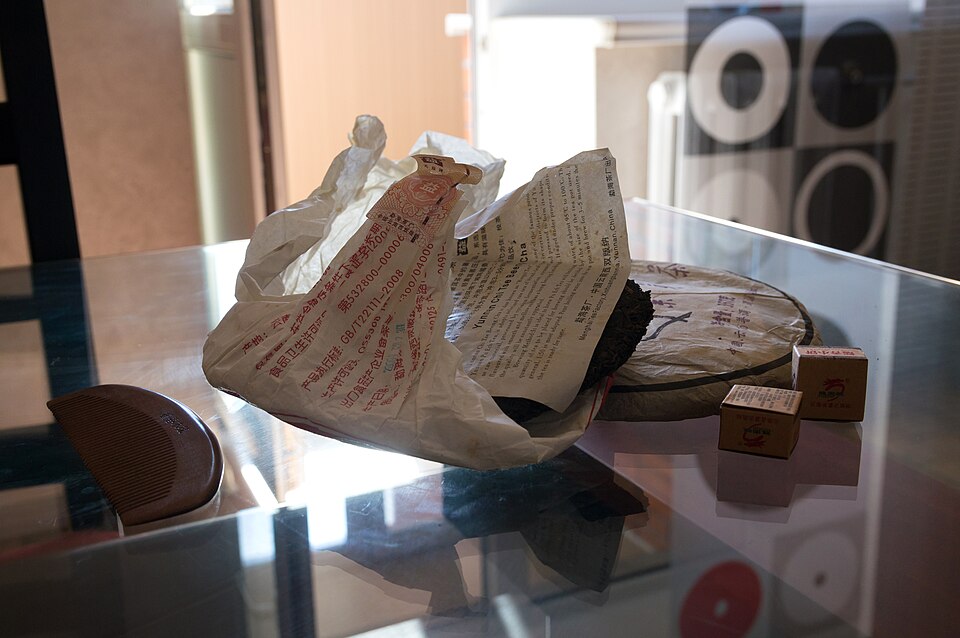
The fermentation process is crucial to the character of Pu-erh tea. Raw Pu-erh (sheng) is minimally processed and aged over time, developing complex flavors. Ripe Pu-erh (shou) is fully fermented and has a milder, earthier taste. Both forms can be found in the three formats mentioned above.
Sizing and Storage Considerations
The size and storage requirements of Pu-erh tea formats vary significantly, making this a key factor for small households.
Pu-erh cakes are the largest and most traditional format. They take up considerable space and are best stored in a cool, dry place away from direct sunlight. The large size can be a drawback for those with limited storage, but cakes can last for years, making them a good investment for long-term tea storage.
Mini tuochas are a more manageable size, offering a balance between storage efficiency and the experience of breaking off pieces of tea. They still require some space but are more compact than full-sized cakes. Mini tuochas are easier to store in a kitchen cabinet or tea drawer.
Tea sachets are the most convenient for small households. They take up minimal space and can be stored in a tea tin or even a drawer. Sachets are ideal for those who want to enjoy Pu-erh tea without the commitment of handling large cakes or bricks.
Quality Signals and Value
The quality of Pu-erh tea is determined by several factors, including the grade of leaves, the fermentation process, and the age of the tea. Here’s what to look for in each format.
Pu-erh cakes are often graded based on the quality of the leaves used. Higher grades, such as Sheng Shu (raw) or Shou Shu (ripe), are typically more expensive. Look for cakes with a smooth, oily surface and a fresh aroma. The wrapper can also provide clues about quality; a well-preserved wrapper indicates a higher-grade tea.
Mini tuochas offer a more affordable entry point into Pu-erh tea. They are often made from lower-grade leaves but can still provide a satisfying tea experience. The key is to find mini tuochas from reputable producers who use good-quality leaves. Value in this format is often found in the balance between price and flavor.
Tea sachets can vary widely in quality. Some are made with high-grade loose-leaf Pu-erh, while others may contain lower-grade leaves. Look for sachets that clearly state the type of Pu-erh (sheng or shou) and the grade of leaves. Sachets are generally more expensive per gram than whole cakes or bricks, but they offer the convenience of ready-to-use tea.
Common Buyer Mistakes and Care Instructions
Despite the differences in formats, there are some common mistakes to avoid when buying and storing Pu-erh tea.
One of the most common mistakes is storing Pu-erh tea in inappropriate conditions. Pu-erh tea should be kept away from moisture, light, and strong odors. Exposure to these elements can degrade the quality of the tea. Always use an airtight container for storage.
Another mistake is not properly handling Pu-erh cakes or bricks. When breaking off pieces of tea, use a clean, dry knife or tea chop to avoid introducing moisture or contaminants. This will help preserve the quality of the tea.
For tea sachets, the main mistake is assuming that they will last indefinitely. While loose-leaf tea can retain its quality for a long time, sachets are more prone to degradation due to exposure to air. It’s best to consume tea sachets within a year of purchase for optimal flavor.
Who It Suits and Gift-Worthiness
The choice of Pu-erh tea format can depend on who you are buying for and the occasion.
Pu-erh cakes are ideal for tea enthusiasts who enjoy the ritual of preparing tea and have the space to store a larger collection. They are also suitable as gifts for experienced tea drinkers who appreciate traditional tea culture.
Mini tuochas are a good choice for those who are new to Pu-erh tea or have limited storage space. They offer a taste of the tradition without the commitment of a full-sized cake. Mini tuochas can also be given as gifts, especially to those who are curious about tea but unsure where to start.
Tea sachets are the most versatile format and are suitable for a wide range of gift-giving occasions. They are easy to transport and can be given to friends, family, or colleagues who enjoy a quick and convenient tea experience.
Bottom Line
Choosing between Pu-erh cakes, mini tuochas, and tea sachets depends on your personal preferences, storage space, and brewing habits. Pu-erh cakes offer a traditional and long-lasting tea experience, while mini tuochas provide a more manageable alternative. Tea sachets are the most convenient for those who want a ready-to-use tea option. By considering the quality signals, storage requirements, and value of each format, you can find the perfect Pu-erh tea for your needs.
What to check before you buy
- Storage space: Ensure you have room for the chosen format, whether it’s a large cake, a mini tuocha, or a small tin for tea sachets.
- Quality indicators: Look for clear information about the grade of leaves, type of Pu-erh (sheng or shou), and age of the tea.
- Personal preference: Consider whether you enjoy the ritual of breaking off pieces of tea or prefer the convenience of ready-to-use sachets.
- Budget: Determine if you’re looking for an affordable entry point with mini tuochas or a more investment-focused option with Pu-erh cakes.
Same items on Amazon (40)
Titles and prices are quoted exactly as Amazon lists them (Amazon's own wording, not translated). Prices checked 2026-10-29 and can change on their end.