# Porcelain vs Glass vs Celadon Gaiwan: Which Material Should You Actually Buy?
Choosing the right gaiwan can make a noticeable difference in your tea experience, but with materials like porcelain, glass, and celadon to consider, it's easy to feel overwhelmed. Each material offers unique advantages and drawbacks, and understanding these will help you make an informed decision based on your priorities. This guide breaks down the practical differences to guide your choice.
How Each Material Is Made and Its Impact
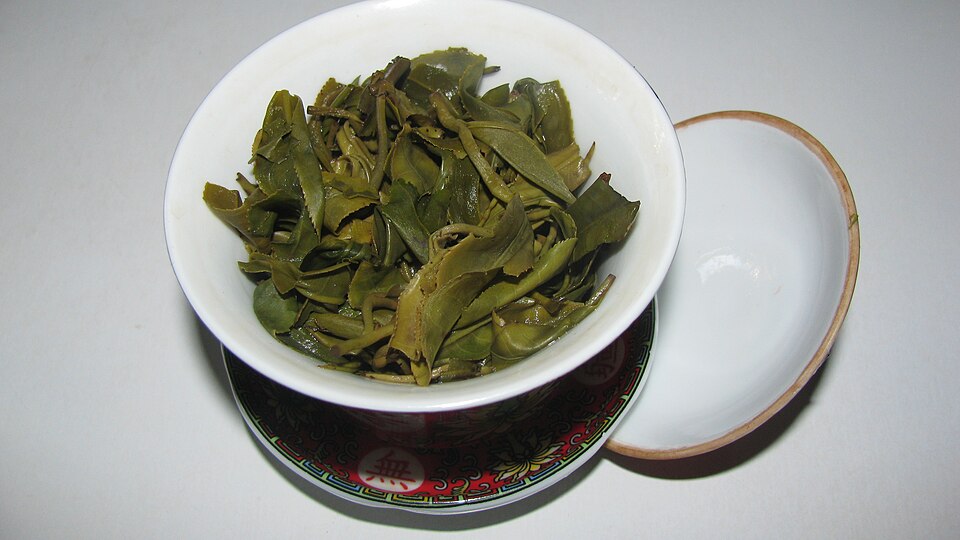
Porcelain is a hard, fired clay that results in a dense, non-porous, and often thin-walled gaiwan. It's made by shaping the clay, then firing it at high temperatures until it vitrifies—a process that makes it as strong as stone. The high firing temperature also gives porcelain a smooth, white finish and the ability to hold temperature well. Cheaper porcelain might feel porous or thin, while high-quality pieces are heavy and almost glass-like in their smoothness.
Glass, typically borosilicate, is made by melting sand and other materials at extreme temperatures. It's known for its clarity, which allows you to observe the tea's color and movement. Glass is non-porous and heats evenly, though it can be fragile and may discolor over time with certain teas. The manufacturing process often involves blowing or molding, and the quality depends on how well the glass is tempered.
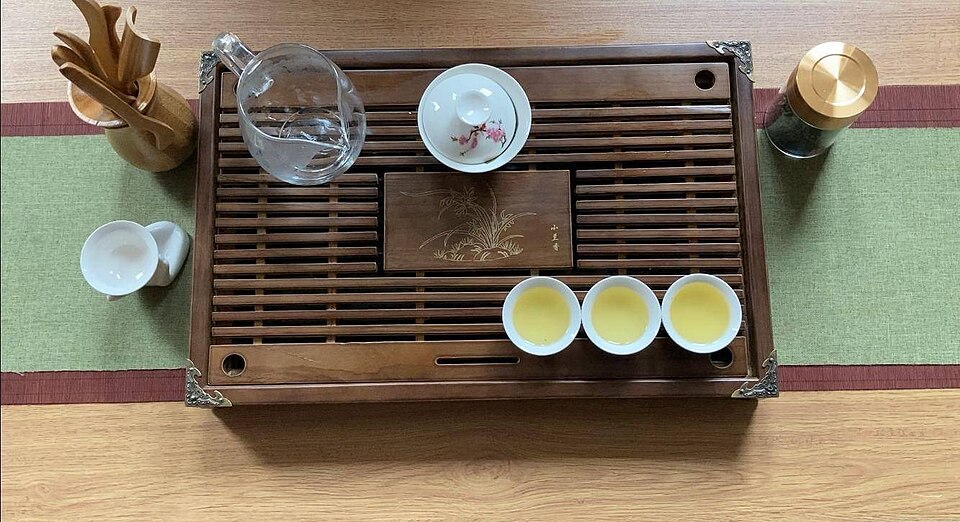
Celadon is a type of stoneware, a translucent ceramic with a greenish glaze often found in Chinese porcelain. The glaze itself determines the color, and celadon is prized for its aesthetic appeal rather than its technical properties. It's fired at lower temperatures than porcelain, which can make it less durable and more prone to cracking if handled roughly. The translucency allows the tea to show through the glaze, adding a visual layer to the experience.
Sizing, Fit, and Compatibility
Gaiwans come in a range of sizes, typically from small (around 80–120 ml) to large (200–350 ml or more). The size you choose depends on the type of tea and how many people you're serving. Smaller gaiwans are great for delicate teas like oolong or green tea, while larger ones are better for bold teas like dark oolong or black tea. Most gaiwans are designed to work with standard tea leaves, but ensure the size matches your brewing needs.
Compatibility is another factor. Porcelain and glass gaiwans are versatile and work with most tea types, but celadon's lower durability means it's better suited for milder teas. If you plan to use your gaiwan for cooking or warming milk, glass might be a better choice due to its heat tolerance. Porcelain is also oven-safe but avoid sudden temperature changes to prevent cracking.
Quality Signals and Usual Trade-Offs
When shopping for a gaiwan, look for these quality signals:
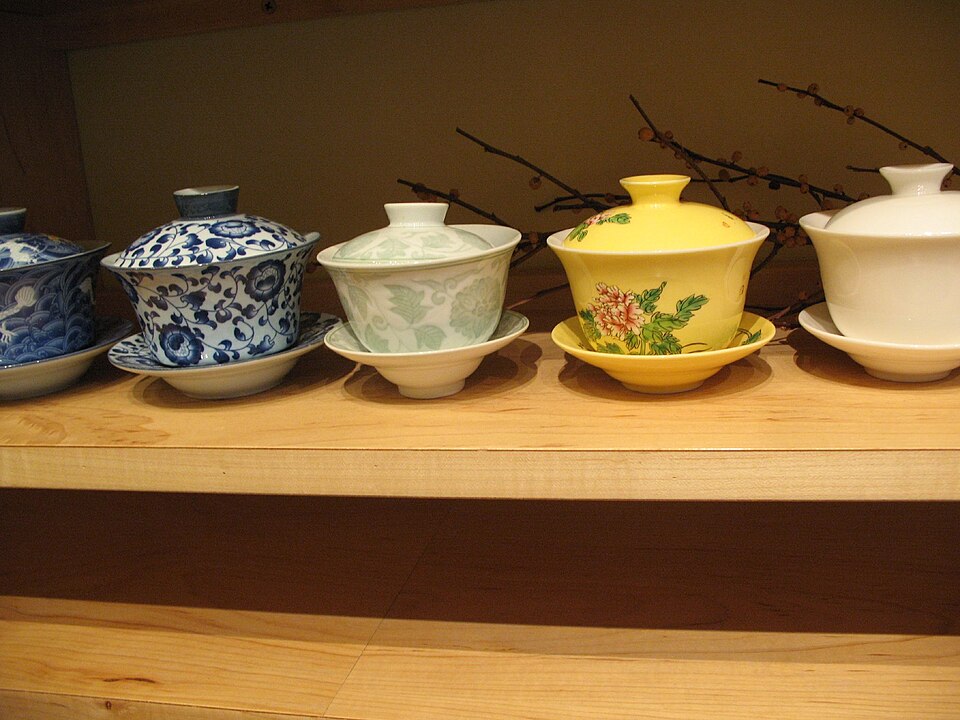
- Weight: A well-made porcelain gaiwan should feel heavy and sturdy, not flimsy. Glass gaiwans should be thick-walled to avoid fragility. Celadon should feel dense but not overly brittle.
- Glaze: Porcelain with a smooth, even glaze is preferable, while glass should be free of bubbles or imperfections. Celadon's glaze should be uniform and free of cracks.
- Edges: Sharp or uneven edges indicate poor craftsmanship and can be uncomfortable to handle. High-quality gaiwans have smooth, rounded rims.
The main trade-offs are durability and aesthetics. Porcelain is durable but can be less visually appealing than glass or celadon. Glass offers clarity but is fragile, and celadon is beautiful but less practical for daily use. Most options sit somewhere between budget and mid-range, with value often tied to how well the material is made rather than the price tag.
Common Buyer Mistakes and Care Instructions
A common mistake is buying a gaiwan that looks great but lacks durability. Cheaper porcelain might chip or crack easily, while thin glass can shatter if dropped. Always check the product description for details on thickness and construction.
Care instructions vary by material:
- Porcelain: Hand wash with mild detergent and avoid using abrasive sponges. Avoid thermal shock by not pouring boiling water into a cold gaiwan or vice versa.
- Glass: Gently wash by hand and avoid temperature extremes. Store away from other objects to prevent scratches.
- Celadon: Handle with care, as the glaze can chip or crack. Avoid washing with abrasive tools and store it separately.
Who It Suits and Gift-Worthiness
Each material suits different users:
- Porcelain: Ideal for tea enthusiasts who prioritize durability and versatility. It’s a practical choice for daily use and suits those who appreciate traditional designs.
- Glass: Best for those who enjoy visually tracking their tea or prefer a modern aesthetic. It’s great for gift-giving, especially for those who appreciate visual presentation.
- Celadon: Perfect for collectors or those who value artistic beauty. While less practical for daily use, it makes an elegant gift for tea aficionados or art lovers.
All three materials are gift-worthy, but the best choice depends on the recipient's preferences. Porcelain is the safest bet for everyday use, while glass and celadon offer more aesthetic flair.
Bottom Line
Choosing between porcelain, glass, and celadon gaiwans comes down to your priorities. Porcelain offers durability and versatility, glass provides visual appeal, and celadon combines aesthetics with a touch of tradition. Consider your tea habits, budget, and how often you plan to use the gaiwan to make the best choice.
What to Check Before You Buy
- Weight and thickness for durability.
- Glaze quality to ensure evenness and smoothness.
- Edge finish to avoid sharp or uncomfortable rims.
- Material compatibility with your tea type and brewing habits.
Same items on Amazon (40)
Titles and prices are quoted exactly as Amazon lists them (Amazon's own wording, not translated). Prices checked 2026-10-29 and can change on their end.