# Oolong vs Green vs Black Tea: Which Caffeine Level Suits You?
Choosing the right type of tea can feel overwhelming, especially when faced with rows of boxes or bags promising everything from relaxation to alertness. Understanding the fundamental differences between oolong, green, and black tea isn't just about flavor preferences—it's about caffeine levels, oxidation processes, and how these factors align with your daily routine. This guide breaks down what you need to know to make an informed decision.
How Tea is Made: The Key Difference Lies in Oxidation
Before diving into specific types, it's helpful to grasp the basic production process. All three—oolong, green, and black tea—come from the *Camellia sinensis* plant. The difference lies in how the leaves are processed after harvesting.
* Green Tea: The leaves are quickly heated (either through steaming or pan-frying) to halt oxidation. This preserves the leaf's natural green color and delicate flavor profile. The caffeine content in green tea is relatively high compared to other types, typically ranging from 25-45mg per 8 oz cup.
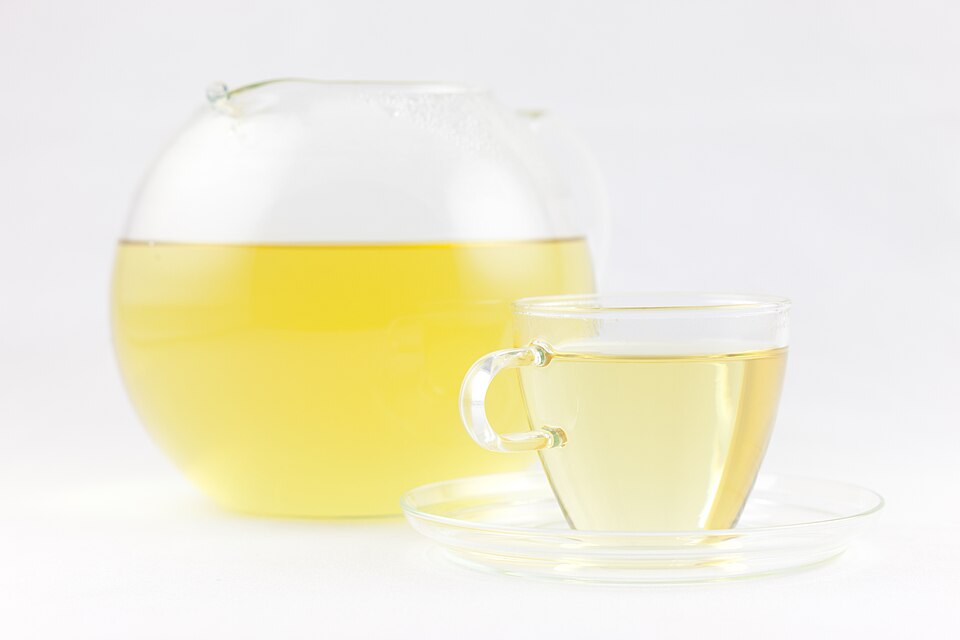
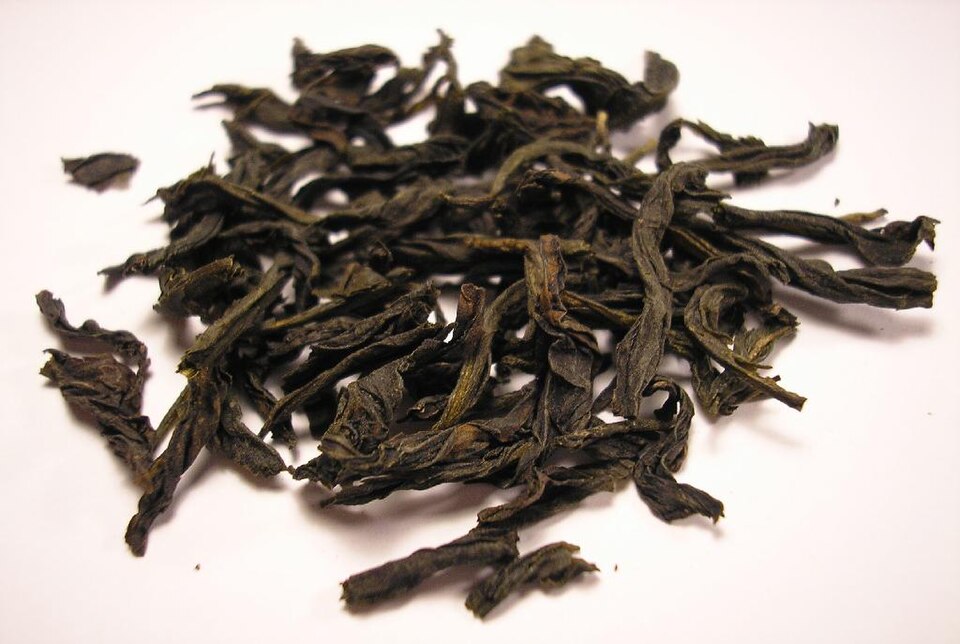
* Oolong Tea: This is where things get a bit more nuanced. Oolong teas are partially oxidized. The degree of oxidation can vary widely, from about 10-80%, which significantly impacts both flavor and caffeine content. Lighter oolongs (less oxidized) often resemble green tea, while darker oolongs (more oxidized) can taste more like black tea. Caffeine levels in oolong can span a broad spectrum, roughly 20-40mg per cup, depending on oxidation and brewing method.
* Black Tea: Black tea leaves are fully oxidized, which gives them their dark color and robust flavor. This process can also lead to slightly lower caffeine levels compared to green tea, though this can vary. Black tea typically contains 20-45mg of caffeine per 8 oz cup, with some blends (like English Breakfast) being stronger than others.
The oxidation process isn't just about flavor; it also influences caffeine levels. Generally, the more heavily a tea is oxidized, the more complex its flavor becomes, and sometimes, the slightly lower the caffeine content might be, though this isn't a hard rule. Lighter teas often retain more of the leaf's natural caffeine.
Quality Signals: What to Look For in Tea
When shopping for tea, it's tempting to focus solely on price, but quality matters significantly. Here are some general signals to look out for:
* Whole Leaf vs. Dust: Whole leaf teas generally offer better value and flavor compared to tea dust. The leaves can infuse more fully, releasing a richer taste and aroma. Dust, often used in tea bags for consistency and longer shelf life, can provide a quicker, sometimes less nuanced, brew.
* Freshness: Tea is a perishable good. Look for packaging that indicates freshness dates or indicates when the tea was packaged. Lighter roasts and green teas have a shorter shelf life compared to heavily oxidized black teas. Buy smaller quantities more frequently to ensure you're enjoying the tea at its peak.
* Origin and Processing: While not always explicitly stated, the origin (e.g., China, India, Sri Lanka) can offer clues about flavor profiles. For example, many high-quality green teas come from China, while Ceylon is known for its black teas. Look for descriptions that mention the processing method (e.g., "hand-rolled," "natural oxidation") as these can indicate higher quality.
* Certifications: Organic or Fair Trade certifications can be important if these align with your values. Organic ensures the tea was grown without synthetic pesticides, while Fair Trade promotes ethical labor practices. These certifications often come at a higher price point but can offer peace of mind.
Who It Suits: Matching Tea to Your Lifestyle and Needs
The best tea for you depends on your lifestyle, especially when it comes to caffeine sensitivity. Here's a general breakdown:
* Green Tea: Ideal for those who enjoy a fresh, grassy, or slightly bitter taste and need a moderate caffeine boost. It's popular for its potential health benefits and is often consumed hot or iced. Green tea suits individuals who drink tea regularly and are looking for a consistent energy lift without feeling overly jittery.
* Oolong Tea: A versatile choice that can appeal to a wide range of preferences. Lighter oolongs might suit those who enjoy green tea but want a bolder taste, while darker oolongs can satisfy those who prefer black tea but are sensitive to higher caffeine levels. Oolong is great for those who like to experiment with different flavors and are open to a moderate caffeine content.
* Black Tea: Best suited for those who prefer a robust, full-bodied taste and need a higher caffeine kick. It's a staple in many cultures and is often consumed with milk and sugar. Black tea is a good choice for mornings or afternoons when a strong energy boost is needed. It's also forgiving to brew, making it suitable for beginners.
Consider your daily routine and how you react to caffeine. If you're sensitive to caffeine, start with green tea or lighter oolongs and monitor how your body responds. If you need a strong pick-me-up, black tea might be more appropriate.
The Trade-Offs: Taste, Caffeine, and Cost
No tea type is perfect for everyone, and there are trade-offs to consider:
* Taste Preference: This is the most obvious factor. Green tea is often preferred for its fresh, light notes, while black tea is loved for its bold, malty flavor. Oolong offers a spectrum of tastes, from floral to toasty. If you haven't tried a particular type, it's worth experimenting to find what you like best.
* Caffeine Sensitivity: As mentioned earlier, caffeine levels vary, but so does individual sensitivity. If you're unsure how a tea will affect you, start with a smaller quantity or a sample pack. Some people find that certain teas keep them awake at night, even if they consider themselves caffeine-sensitive, while others might find the same tea perfectly mild.
* Cost: Generally, green teas and high-quality oolongs can sit on the higher end of the price spectrum, while black teas often offer more budget-friendly options. However, this isn't a hard rule. You can find affordable green teas and expensive black teas. The key is to look for value rather than just price. A more expensive tea might offer a richer flavor or fresher leaves, but a cheaper one can still be enjoyable if it suits your taste preferences.
Common Buyer Mistakes to Avoid
Navigating the world of tea can lead to some common pitfalls. Here are a few to watch out for:
* Ignoring Freshness: As tea ages, its flavor diminishes. Avoid buying tea that has been sitting on the shelf for an extended period. Check expiration dates or packaging for freshness information.
* Over-Extraction: brewing tea too long or with water that's too hot can lead to a bitter or astringent taste. Follow recommended brewing guidelines for each type of tea to get the best flavor.
* Assuming All Tea Bags Are Equal: Tea bags, especially those filled with dust, can offer a quick and convenient brew, but they often don't provide the same depth of flavor as loose-leaf tea. If you're serious about enjoying tea, consider investing in a tea infuser or teapot designed for loose leaves.
* Not Considering Storage: Tea should be stored in an airtight container away from light, heat, and moisture. Exposure to these elements can degrade the flavor and quality of the tea. Avoid storing tea in the refrigerator or freezer, as the dampness can affect the leaves.
Care and Cleaning
Once you've selected your tea, proper storage and preparation will help you get the most out of it:
* Storage: Use an airtight container made of ceramic, glass, or metal to store your tea. Avoid plastic containers, as they can absorb odors and moisture. Keep the container in a cool, dark place away from direct sunlight and sources of heat.
* Preparation: Use fresh, cold water for brewing. For green and white teas, use water that's just below boiling (around 175°F or 80°C) to avoid scorching the leaves. Black and oolong teas can handle hotter water (around 200°F or 95°C). Use the appropriate amount of tea leaves or tea bags based on the recommended guidelines for the type of tea you're brewing. Steeping time varies, but generally, green teas are steeped for 1-3 minutes, oolongs for 2-4 minutes, and black teas for 3-5 minutes.
Gift-Worthiness
Tea makes a thoughtful and appreciated gift for many occasions. Here are a few tips for choosing tea as a gift:
* Consider the Recipient: Think about the recipient's taste preferences and caffeine sensitivity. If you're unsure, opt for a variety pack or a well-reviewed tea known for its versatility.
* Presentation Matters: Even the most delicious tea won't be as appreciated if it's poorly packaged. Look for teas that come in attractive tins or packaging, especially if you're gifting loose-leaf tea. Tea bags can be just as gift-worthy if they're packaged in a nice box or cellophane.
* Include brewing Instructions: A little extra effort can go a long way. Include a card with brewing instructions or a small infographic that highlights the tea's origin and flavor profile.
Bottom Line
Choosing between oolong, green, and black tea ultimately comes down to personal preference, lifestyle, and caffeine tolerance. Green tea offers a light, fresh taste and moderate caffeine, making it suitable for those who enjoy a subtle energy boost. Oolong provides a versatile flavor spectrum with moderate caffeine levels, appealing to those who like to explore different tastes. Black tea delivers a robust flavor and higher caffeine content, ideal for mornings or when a strong pick-me-up is needed.
By understanding the basic differences in processing, quality signals, and how each type suits different needs, you can make an informed decision that aligns with your preferences. Whether you're a seasoned tea drinker or new to the world of tea, there's a type out there that will suit you perfectly.
What to check before you buy
* Caffeine Content: Check the estimated caffeine levels per 8 oz cup to ensure it aligns with your sensitivity.
* Processing Method: Look for descriptions of oxidation levels or processing methods to understand the flavor profile.
* Freshness Dates: Choose tea that has been packaged recently to ensure optimal taste and quality.
* Leaf Quality: Opt for whole leaf teas over dust for a richer brewing experience.
* Packaging: Consider how the tea is packaged—tins or attractive boxes can make a great gift.
* Origin and Certifications: If this matters to you, look for teas from reputable regions or with organic or fair trade certifications.