# Keemun vs Dianhong: Two Chinese Black Teas Worth Knowing
When exploring the world of Chinese black tea, two varieties stand out for their distinct characteristics and cultural significance: Keemun and Dianhong. Both are celebrated for their complexity and versatility, offering a range of flavors that can appeal to both traditional tea drinkers and those looking to expand their palate. Understanding the differences between these teas can help you make an informed choice that suits your taste preferences and intended use.
This guide will walk you through the key aspects of Keemun and Dianhong, covering their production methods, quality indicators, common trade-offs, and care instructions. By the end, you’ll have a clearer idea of which tea might be the right fit for you, whether you’re enjoying it solo or gifting it to someone special.
How They’re Made:工艺差异
Keemun and Dianhong are both processed as black teas, meaning they undergo oxidation to develop their dark color and rich flavor. However, their production methods and origins lead to distinct profiles.
Keemun is a black tea hailing from Anhui Province in China. Its production involves a carefully controlled oxidation process, followed by drying and sorting. The key to Keemun’s signature flavor lies in its traditional "锅炒香" (wok roasting) technique, which imparts a nutty, slightly smoky aroma. The leaves are typically small and tightly twisted, a result of the careful rolling during processing.
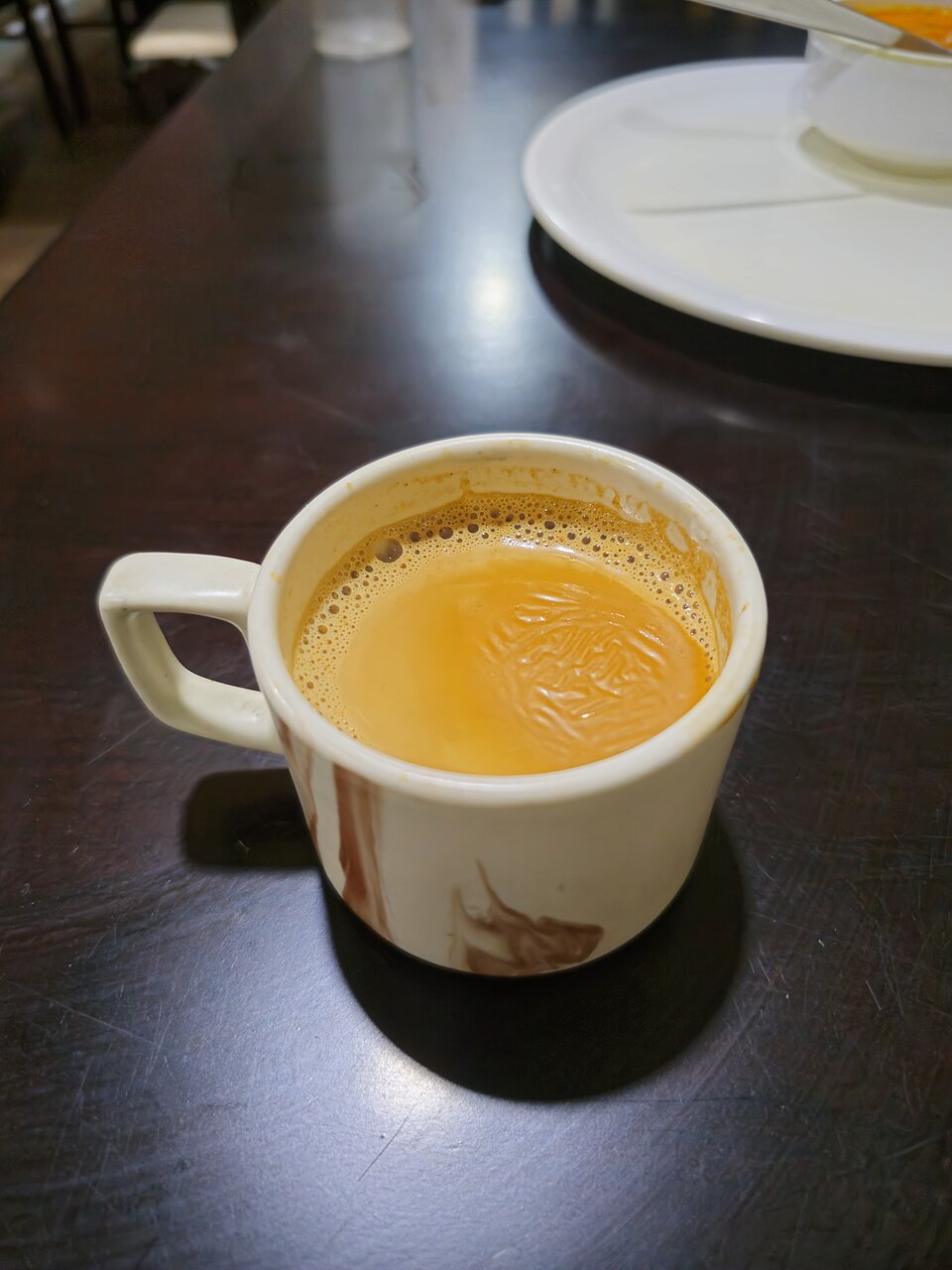
Dianhong, on the other hand, comes from the Yunnan region and is often referred to as "Yunnan Gold" due to its vibrant orange-red汤色 (lǐushǎo - tea soup color). Dianhong is also oxidized, but the process tends to be more robust, leading to a fuller-bodied and often sweeter tea. The leaves are generally larger and rounder, and the tea is frequently blended with flowers (like rose or osmanthus) to add an extra layer of complexity.
Both teas benefit from proper storage to preserve their flavor. Airtight, moisture-free conditions are essential, as exposure to air and humidity can lead to stale or bitter tea.
Quality Signals: What to Look For
When shopping for Keemun or Dianhong, certain quality indicators can help you identify a good product.
For Keemun, look for:
- Uniform, dark leaves with a golden-red tip.
- A strong, aromatic fragrance with hints of nuts, honey, or fruit.
- Smooth, mellow flavor without bitterness or astringency.
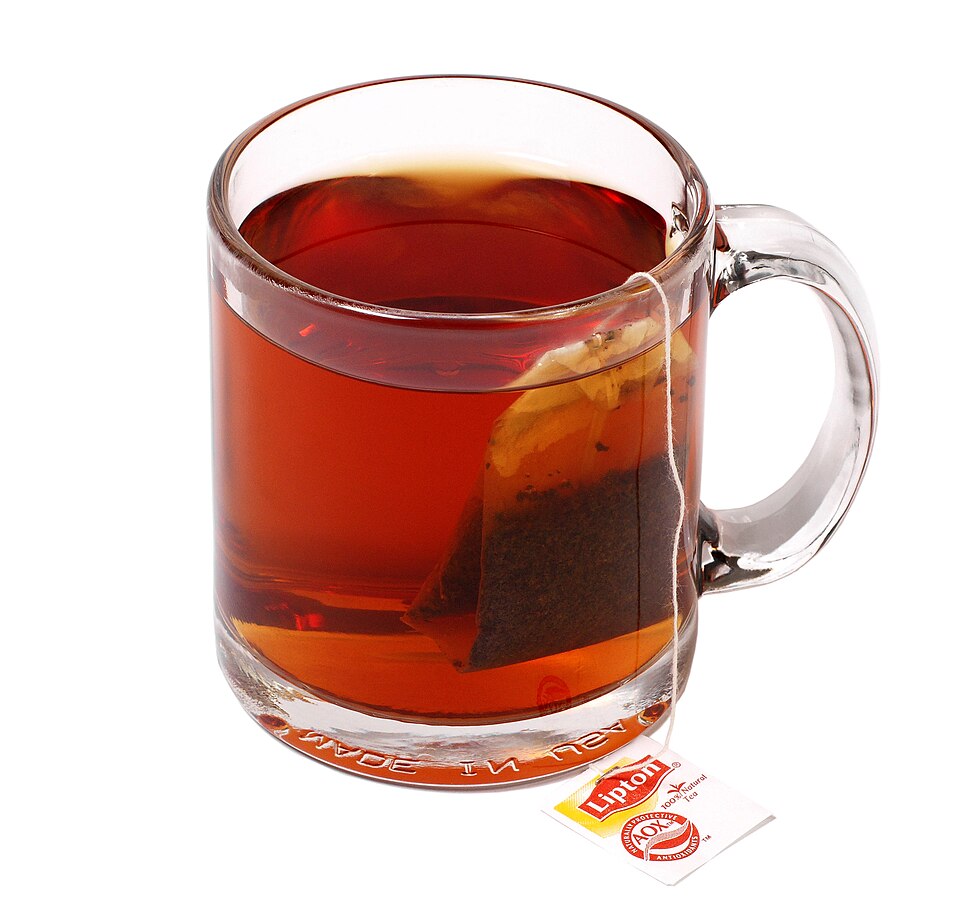
- Clear, reddish-brown lǐushǎo when brewed.
For Dianhong, consider:
- Large, intact leaves with a golden sheen.
- A sweet, floral aroma, often with hints of fruit or caramel.
- Full-bodied, sweet flavor with low astringency.
- Vibrant, orange-red lǐushǎo that’s bright and clear.
Most options sit somewhere between budget and mid-range, with premium grades commanding higher prices. Don’t be swayed by exorbitant costs, though—value often lies in balance rather than price alone.
Common Trade-Offs: Taste and Use
Each tea has its own strengths and weaknesses, which may influence your choice depending on your preferences.
Keemun is known for its versatility. It works well both hot and iced, and its nutty profile pairs well with milk and sugar. However, some varieties can be a bit astringent if over-steeped. It’s best enjoyed plain to fully appreciate its subtle flavors.
Dianhong, with its sweeter and more robust profile, is often preferred straight. It’s less forgiving of steeping errors, so precise timing is key. However, its floral notes make it an excellent choice for blending with other teas or for iced tea.
Who It Suits and Gift-Worthiness
Both Keemun and Dianhong are suitable for a wide range of drinkers, from beginners to seasoned tea enthusiasts.
Keemun is a great choice for those who enjoy classic black teas with a balanced flavor. Its smoothness and adaptability make it appealing to many, and its traditional appeal lends it well to gifting, especially during cultural celebrations.
Dianhong, with its vibrant color and sweet aroma, is perfect for someone who appreciates a more luxurious tea experience. Its blending potential also makes it a versatile gift option, particularly for those who enjoy floral or fruity notes.
Both teas are generally well-received as gifts due to their quality and cultural significance. They’re often packaged in beautiful tins or boxes, making them a thoughtful present for tea lovers or as part of a larger gift basket.
Care and Cleaning
Proper storage is crucial for maintaining the freshness and flavor of both Keemun and Dianhong. Here’s how to keep them in prime condition:
- Store tea in airtight, airtight containers to prevent oxidation and moisture absorption.
- Keep tea away from light, heat, and strong odors, as these can degrade its quality.
- For long-term storage, consider refrigeration (in an airtight container), though this isn’t always necessary for shorter-term use.
- Avoid freezing, as temperature fluctuations can damage the leaves.
When cleaning tea leaves, simply use a dry, soft brush to remove any dust. There’s no need for washing, as this can remove volatile oils and affect the flavor.
Bottom Line
Keemun and Dianhong are both exceptional Chinese black teas with unique characteristics. Keemun offers a classic, nutty profile with versatility, while Dianhong provides a sweeter, more robust experience with floral undertones. Your choice will depend on your taste preferences, intended use, and whether you’re looking for a daily ritual or a special treat.
No matter which you choose, proper storage and brewing techniques will ensure you enjoy their full potential. Both teas are excellent choices for personal enjoyment or as gifts, offering a taste of China’s rich tea heritage.
What to Check Before You Buy
- Leaf quality: Look for uniform, intact leaves with vibrant color.
- Aroma: A fresh, pleasant scent indicates good freshness.
- Flavor profile: Consider whether you prefer nutty (Keemun) or sweet/floral (Dianhong) notes.
- Storage conditions: Ensure the tea is stored in airtight, moisture-free packaging.
- Price point: Compare options within your budget, focusing on value over cost.
- Packaging: For gifting, check if the tea comes in a decorative tin or box.
Same items on Amazon (40)
Titles and prices are quoted exactly as Amazon lists them (Amazon's own wording, not translated). Prices checked 2026-10-29 and can change on their end.