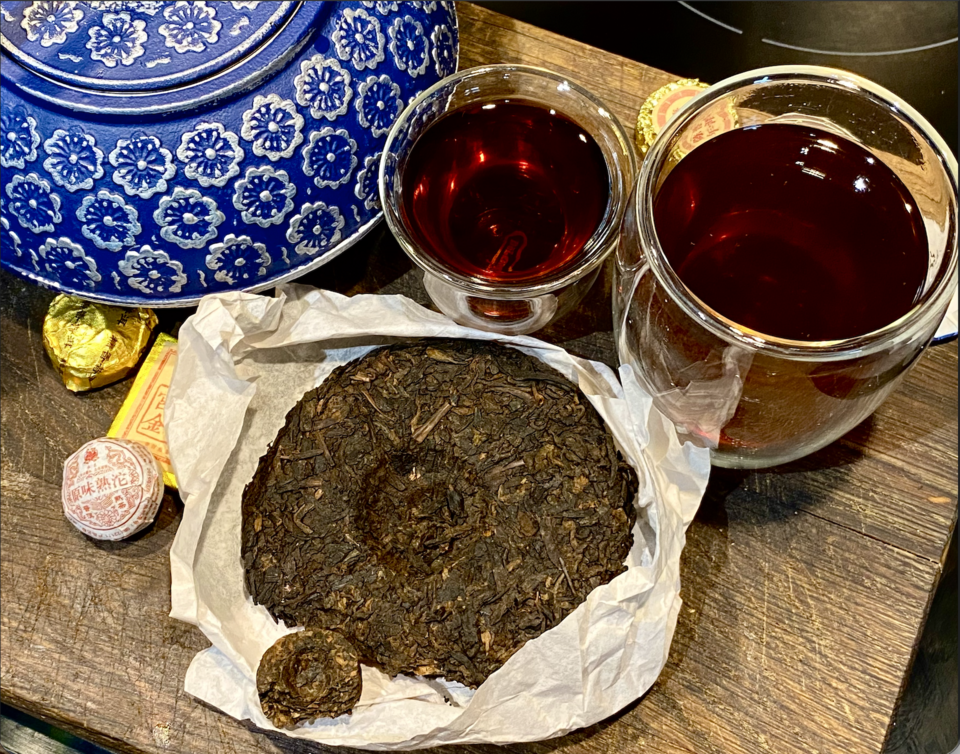
# How to Start Drinking Pu-erh: Ripe-Dominant, Small Format, Wellness-Friendly
So, you're curious about pu-erh tea? Awesome! It's got this rich history, complex flavors, and a whole world of wellness benefits that make it super interesting. But as a beginner, especially one trying to save money and avoid getting scammed, where do you even begin? Let's break it down, focusing on what you need to know.
Understanding Pu-erh Basics: Ripe and Raw
First things first, pu-erh isn't just one type of tea. The two main categories are ripe (shou) and raw (sheng). For starting out, especially if you're drawn to the wellness claims and a smoother, less intense flavor, ripe pu-erh is often the best entry point.
Why ripe? It's fermented, which means it's generally gentler on the digestive system. Plus, it has that distinct earthy, slightly funky aroma and smooth, dark flavor profile that's super comforting. Think of it like a sturdy, reliable friend. Raw pu-erh is fantastic too, with its aging potential and complex, changing flavors, but it's a bit more intense for newcomers.
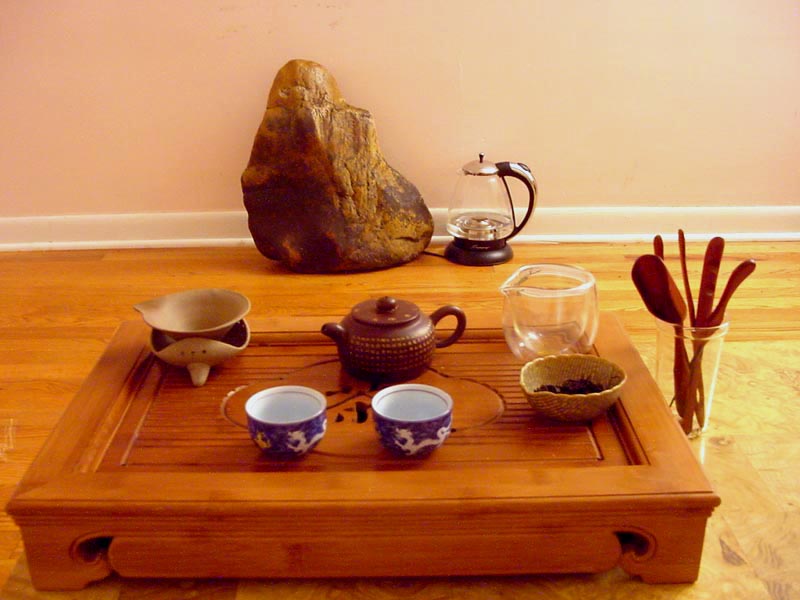
A key benchmark for ripe pu-erh is Dayi 7572. It's a blend from Dayi Tea Factory that's widely recognized and provides a consistent taste experience. It's a safe bet for your first foray into the world of ripe pu-erh. Think of it as the reliable benchmark – like the classic first album from a favorite band.
Raw pu-erh, on the other hand, often has a more vegetal, grassy note, and it can be quite astringent initially. Xiaguan Tuocha and Xiaguan 8653 are great entry points for raw pu-erh. They're from the Xiaguan area, known for its high-quality pu-erh production. These are also reliable brands that won't steer you wrong as a beginner.
Small Format Pu-erh: Convenient and Cost-Effective
One of the current trends, especially driven by platforms like Xiaohongshu (Little Red Book), is the move towards small, portable formats. This is super beneficial for beginners and busy people.
You'll see things like mini cakes (about 100-200 grams), dragon-shaped bricks, tea sachets, and even cold brew pu-erh. These formats are perfect for:
1. Ease of Use: You don't need a massive teapot or a lot of tea leaves. A small cake or a few sachets can be enough for a single cup or a small shared experience.
2. Cost-Effectiveness: Smaller formats often mean lower price points. You can try different flavors and producers without committing a lot of money upfront.
3. Convenience: Great for traveling or for those who don't have a lot of time to prepare tea.
For example, you might find tangerine-peel pu-erh, rose pu-erh, or jasmine pu-erh in these small formats. These are often blended with the goal of adding wellness benefits like cut-grease, de-bloat, stomach-soothing, or even a sleep-aid effect. They're marketed as fully feminized & youthful, which might sound a bit quirky, but it reflects the target audience and the wellness-focused approach.
The price range for these small formats typically falls between $14-42. This makes them accessible without breaking the bank. Plus, you can experiment and see what you like best.
Wellness-Friendly Pu-erh: Tangerine-Peel Recipe
If you're specifically interested in the wellness aspects of pu-erh, the tangerine-peel ripe pu-erh is a fantastic choice. It's not just about the flavor; it's about how you can incorporate it into your daily routine for potential benefits.
Here's a simple wellness recipe you can try:
1. Ingredients: 1 small piece of dried tangerine peel and 3 grams of ripe pu-erh.
2. Water Temperature: Use 95°C (203°F) water. This is slightly below boiling to avoid scorching the leaves.
3. Brewing Time: Steep for about 30 minutes after meals.
4. Benefits: This combination is believed to have mild dehumidifying regulation properties, which can be great for desk sitters or those who tend to feel sluggish.
It's important to note that while pu-erh can be beneficial, it's not a magic cure-all. It's about incorporating it as part of a balanced lifestyle. The marketing on Xiaohongshu often uses terms like "stomach-soothing" and "no-additives," which align with the wellness-focused approach.
Essential Teaware for Pu-erh: Gaiwan First
Now, let's talk about the tools you'll need. This is where beginners can easily go overboard or get confused. The key is to start simple and upgrade as you go.
Gaiwan vs. Zisha Teapot: What to Choose?
For starting out, white-porcelain gaiwan is your best friend. Here's why:
- Price: They're incredibly affordable, typically between $4-7.
- Versatility: A gaiwan works with any type of tea, not just pu-erh.
- Flavor Absorption: Porcelain doesn't absorb flavor, so you won't get any cross-taste. This means the tea's true flavor comes through.
- Ease of Cleaning: They're super easy to clean, which is a huge plus when you're just starting out.
- Temperature Control: The white porcelain helps in regulating temperature, which is great for pu-erh.
A 120ml white-porcelain gaiwan with a flared rim is a standard size. The flared rim helps prevent scorching your fingers when handling the hot gaiwan. A moderate knob makes it easy to handle without burning yourself.
Pitfalls to Avoid with Gaiwan:
- Avoid wood-fired, clay, or gilt-overglaze wares. They can absorb flavors and make it harder to judge the tea's true taste.
- Insist on high-fired porcelain (1200°C+). This ensures durability and purity of flavor.
- Don't get too attached to the idea of 'the end of the gaiwan journey is just one gaiwan.' It's a starting point, not the end goal.
After you've used a gaiwan for a while and understand what you like in tea, you might consider upgrading to a zisha (Yixing) teapot. But don't rush it. There's a steep learning curve involved.
Zisha Teapot: A Future Upgrade
Zisha teapots, made from clay found in Yixing, China, are highly prized for their ability to enhance the flavor of tea. However, they come with their own set of challenges:
- Dual-Porosity Wall: Zisha teapots have a unique dual-porosity wall that absorbs and releases flavors. This means you should always use one pot for one type of tea to avoid any flavor blending.
- Steep Learning Curve: There's a lot to learn about caring for and using zisha teapots. The clay can be temperamental, and improper use can ruin the pot.
Pitfalls to Avoid with Zisha Teapots:
- Don't buy sub-$15 'fully handmade' pots. Most of these are actually machine-pressed fakes. Look for Huanglongshan original-ore clay if possible.
- Don't fall for 'millennium-old clay' marketing. It's often just a way to inflate prices.
- Prefer classic shapes like Shihao or Yuni. They are less likely to go wrong than novelty shapes.
- A title or certificate is not a substitute for good clay and craft. Always inspect the pot carefully.
Setting Up Your Basic Pu-erh Brewing Station
Before you dive into buying teaware, you'll need a few essentials:
1. Kettle: You can reuse your home electric kettle. You don't need anything fancy.
2. White-Porcelain Gaiwan: A 120ml size for around $4-7.
3. Glass Fairness Pitcher: A 150-250ml pitcher, slightly bigger than the gaiwan. This helps ensure an even pour and consistent brewing.
4. Thin White-Porcelain Tasting Cups: The inner wall MUST be white to accurately read the liquor color.
You can get all of these together in a beginner 4-piece set for about $15. It's a small investment that will make your tea journey much more enjoyable.
Fairness Pitcher: Why It Matters
The glass fairness pitcher is an important piece of equipment. It ensures that the tea is poured evenly, which helps maintain the correct brewing ratio and temperature. This is especially important for pu-erh, where consistency is key.
Tasting Cups: More Than Just for Sipping
The thin white-porcelain tasting cups are designed to help you evaluate the tea. The white inner wall allows you to see the color of the tea liquor, which can give you clues about its quality and flavor profile.
Choosing Your First Pu-erh Tea
Now, let's talk about selecting your first pu-erh tea. With so many options out there, it can be overwhelming. Here's a straightforward approach:
Ripe Pu-erh: Dayi 7572
As mentioned earlier, Dayi 7572 is a great starting point for ripe pu-erh. It's a benchmark blend that provides a consistent and enjoyable taste experience. You can typically find it in tea shops or online retailers specializing in pu-erh.
Raw Pu-erh: Xiaguan Tuocha / Xiaguan 8653
If you're interested in exploring raw pu-erh, Xiaguan Tuocha and Xiaguan 8653 are excellent choices. They're from the Xiaguan area, known for producing high-quality raw pu-erh. These teas will give you a taste of the more vegetal and complex flavors that raw pu-erh is famous for.
Avoiding Scams and Pitfalls
When buying pu-erh, especially online, it's crucial to be aware of potential scams and pitfalls:
- Be wary of exorbitant prices for small quantities. If a tea is priced way above what you'd expect for its size, it's probably overpriced.
- Look for reviews from reputable sources. While online reviews can be helpful, they can also be biased or fake. Stick to reviews from well-known tea bloggers or tea communities.
- Avoid teas with exaggerated claims. Terms like "weight-loss," "cure," "lower 3-highs," or "ancient-tree" are often used to mislead buyers. These terms are banned on platforms like Xiaohongshu because they're considered misleading.
- Be skeptical of 'collectible appreciation' teas. These are often marketed to investors rather than tea drinkers and may not offer a good tasting experience.
Understanding the Pu-erh Trend: Small Formats and Wellness
The current trend in pu-erh is towards small, portable formats and a wellness-focused approach. This is reflected in the popularity of mini cakes, dragon-shaped bricks, tea sachets, and cold brew pu-erh.
These small formats are convenient and cost-effective, making pu-erh more accessible to beginners. The wellness aspect is also a significant factor. Teas like tangerine-peel pu-erh, rose pu-erh, and jasmine pu-erh are marketed with claims of "cut-grease," "de-bloat," "stomach-soothing," and "sleep-aid" effects.
The Sugar-Free Tea F4 System
A helpful framework for evaluating tea, especially in the context of wellness, is the F4 system:
1. Aroma: Does the tea have a pleasant, complex aroma with layers of floral or fruity notes?
2. Fresh: Is the tea tender and brisk, indicating a high-quality leaf?
3. Mellow: Does the tea have a sweet aftertaste and a smooth, not thin, texture?
4. Clean: Does the tea come from clean ingredients, with no astringency?
Using this system, you can better evaluate the quality and potential benefits of different pu-erh teas.
Avoiding Fragile-Wellness Tea Pitfalls
While the wellness aspect of pu-erh is appealing, it's essential to be aware of some common pitfalls:
- Viral 'stay-up rescue tea': These teas are often high in caffeine and can lead to sleep disturbances and other health issues. They provide temporary wakefulness but harm your body in the long run.
-
Same items on Amazon (40)
Titles and prices are quoted exactly as Amazon lists them (Amazon's own wording, not translated). Prices checked 2026-10-29 and can change on their end.