# How to Read Tea Liquor Color Like a Buyer
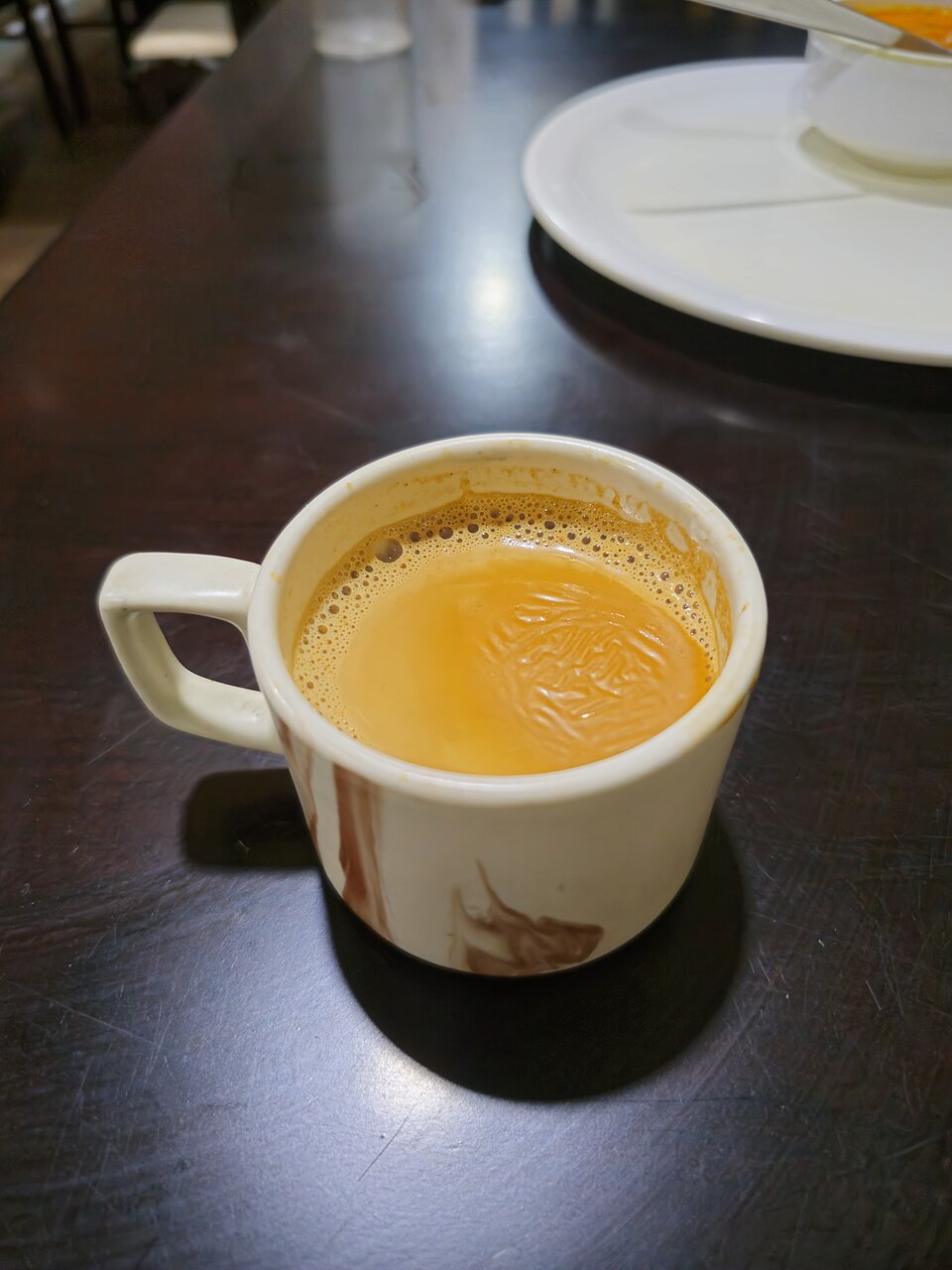
Understanding the color of tea liquor is a key step in buying tea, as it often correlates with flavor, origin, and quality. While color alone doesn’t guarantee a good cup, it’s a useful starting point. This guide will help you decode tea liquor color to make more informed purchasing decisions.
What Affects Tea Liquor Color
Tea liquor color varies widely depending on several factors:
- Leaf type and processing: Black tea (fully oxidized) tends to be darker, while green tea (unoxidized) is lighter. Oolong tea falls somewhere in between. White tea, with minimal processing, often has a pale, golden hue.

- Cultivar and origin: Tea grown at higher altitudes or in specific regions (e.g., Darjeeling) may produce liquor with unique shades. For example, high-quality Assam black tea is often reddish-brown, while Ceylon tea may be clearer.
- brewing time and temperature: Over-brewing can make tea bitter and darken the liquor, while under-brewing may leave it pale and weak. Proper temperature (around 195°F/90°C for black tea, cooler for green tea) ensures optimal color extraction.
Most tea bags and loose-leaf options reflect these variables, but understanding the basics helps you assess what you’re buying.
Quality Signals in Tea Liquor Color
A well-balanced tea should have a color that matches its intended flavor profile. Here’s what to look for:
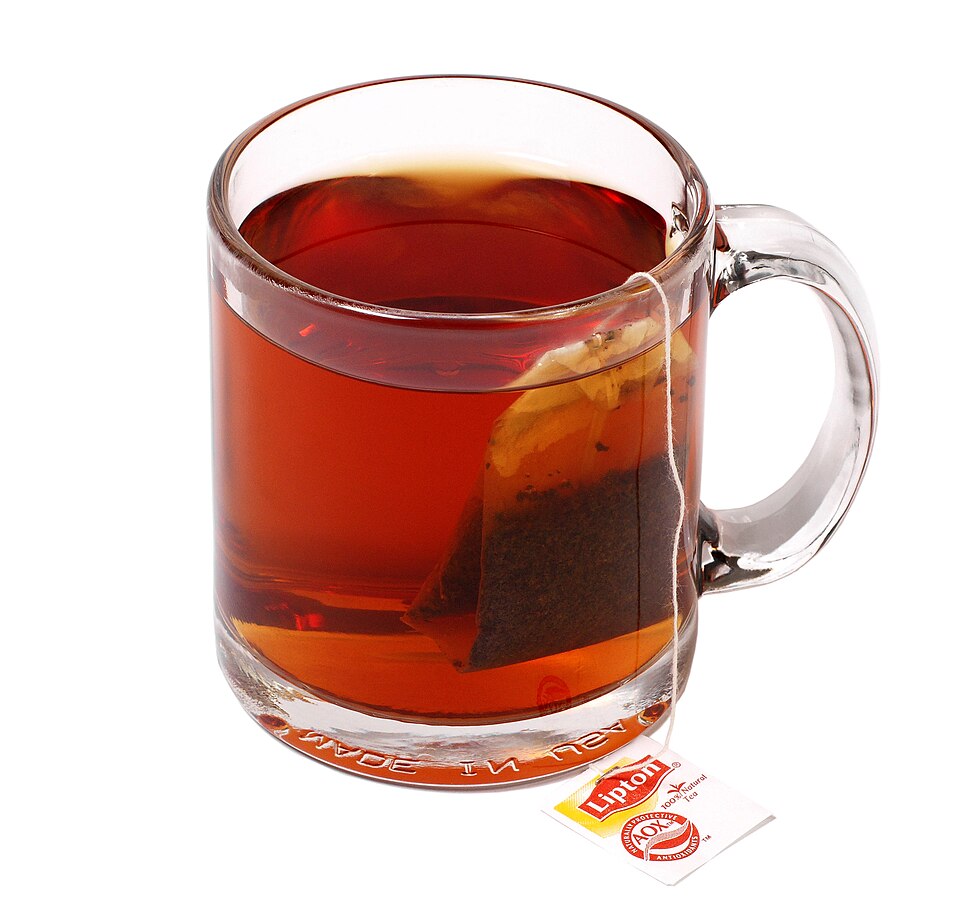
- Consistency: High-quality tea typically produces a uniform color throughout the infusion. Cloudy or murky liquor may indicate poor processing or storage.
- Depth and vibrancy: A rich, vibrant color often suggests fresh leaves and proper brewing. Pale or dull hues may point to age, improper storage, or low-quality ingredients.
- Subtle variations: Some teas (like oolong) naturally have slight color shifts, which can indicate complexity. However, excessive variation or odd discoloration (e.g., reddish-black for green tea) is a red flag.
Most options sit somewhere between budget and mid-range, but value-focused buyers should prioritize consistency and vibrancy over mere darkness or lightness.
Common Buyer Mistakes
Many shoppers rely too heavily on color alone, leading to misjudgments. Here are typical pitfalls:
- Assuming darker is always better: While some black teas are deep reddish-brown, overly dark liquor can mean over-steeping or poor quality.
- Ignoring clarity: Cloudy tea liquor often contains particulate matter, a sign of improper sorting or storage.
- Expecting uniformity across all teas: Lighter teas (e.g., white or green) shouldn’t be compared to darker ones without context.
A practical approach is to compare color within the same tea type. For example, compare Assam black teas to other Assam black teas, not to green teas.
Care and Cleaning for Optimal Color
Proper storage and brewing practices extend a tea’s color and flavor life:
- Storage: Keep tea in airtight, opaque containers away from light and moisture. Exposure to air and light accelerates degradation, leading to duller liquor.
- Brewing: Use fresh, cold water and avoid boiling it directly before brewing. Over-steeping or using water that’s too hot can overpower the tea’s natural color and flavor.
Investing in a good tea kettle or thermometer can make a difference, especially for loose-leaf teas.
Who It Suits and Gift-Worthiness
Tea selection by color suits a broad audience, from casual drinkers to connoisseurs. It’s an excellent gift choice for:
- Friends and family: A box of high-quality, visually appealing teas makes a thoughtful present.
- Office workers: Convenient tea bags or loose-leaf options with interesting colors can brighten a busy day.
- Travelers: Travel-sized tea pouches or single-serve bags are practical for on-the-go enjoyment.
While most products fall into the budget-to-mid-range category, luxury options (e.g., single-origin teas or aged teas) exist for those willing to pay more for exceptional quality.
Bottom Line
Tea liquor color is a useful indicator of quality, but it’s not the only factor. Focus on consistency, vibrancy, and clarity, and compare within the same tea type. Proper storage and brewing enhance color and flavor, making even mid-range teas enjoyable.
What to Check Before You Buy
- Color consistency: Look for uniform hues without cloudiness or odd discoloration.
- Flavor profile: Ensure the color aligns with the expected taste (e.g., dark for robust black teas).
- Storage conditions: Check if the tea is kept in airtight, lightproof packaging.
- Brewing instructions: Clear guidelines help you achieve the best color and flavor.