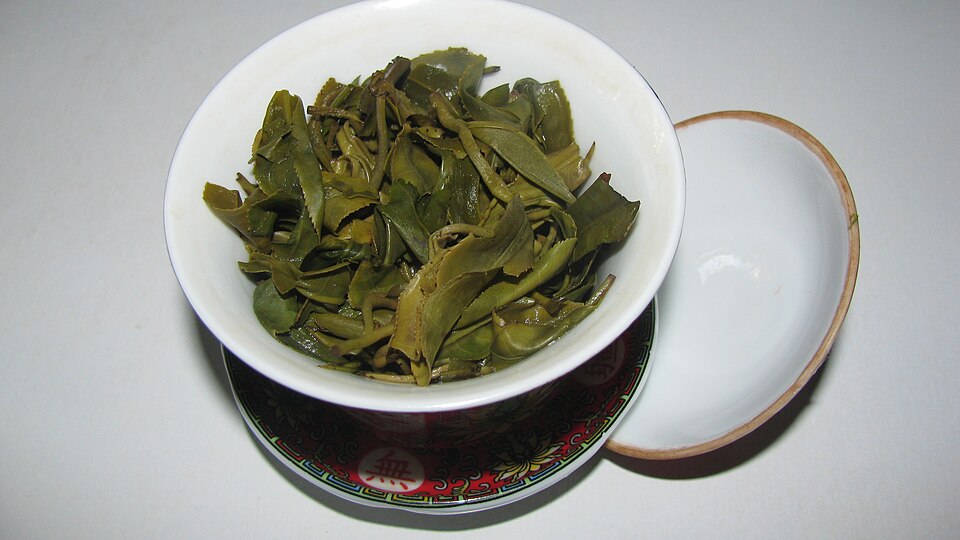
# How to Pick a Gaiwan That Won't Burn Your Fingers (White Porcelain 120ml Buyer's Guide)
Hey there, tea newbie! Ready to dive into the world of tea but not sure where to start? Let’s talk about picking a gaiwan, specifically a white porcelain one that won’t burn your fingers. I’ll keep it simple, straightforward, and focused on helping you avoid wasting money on stuff that doesn’t matter. No fake stories, no absolute claims—just the facts.
Why Start with a White Porcelain Gaiwan?
Before we dive into the specifics, let’s quickly recap why a white porcelain gaiwan is the way to go for beginners. Unlike zisha (Yixing) teapots, which have a porous clay that absorbs flavors, a white porcelain gaiwan is non-porous. This means:
- No cross-taste: You can steep any tea in it without worrying about the last tea leaving a lingering flavor.
- Truest taste: The tea’s original flavor comes through without any interference from the teaware.
- Easy to clean: No special cleaning required—just rinse it out after each use.
- Cheap: You can get a decent one for $4-7, which is perfect for beginners who are still figuring things out.
Plus, white porcelain is great for beginners because it shows the true color of the tea liquor, helping you appreciate the nuances of different teas.
The Beginner’s 4-Piece Set: A Smart Start
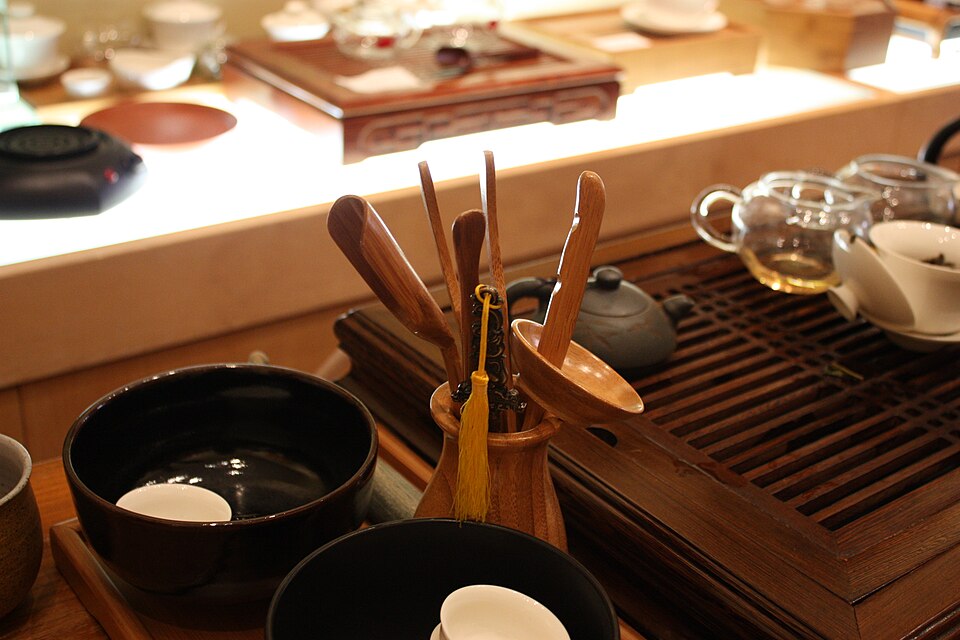
If you’re just starting, consider investing in a small 4-piece set. This way, you get everything you need without breaking the bank. Here’s what you’ll typically find in a beginner’s set:
- Kettle: Reuse your home electric kettle. You don’t need anything fancy.
- White Porcelain Gaiwan (120ml): This is the star of the show. More on this below.
- Glass Fairness Pitcher (150-250ml): Slightly bigger than the gaiwan, it helps distribute tea evenly.
- Thin White Porcelain Tasting Cups: The inner wall MUST be white so you can see the color of the tea liquor.
Whole set? Around $15. Not bad for a setup that will serve you well as you learn.
Gaiwan Pitfalls to Avoid
Now, let’s talk about what to steer clear of when buying a gaiwan. There are a few common pitfalls that can waste your money:
1. Material Matters
- Avoid: Wood-fired, clay, or gilt-overglaze wares. These can be more expensive but don’t offer the same benefits as white porcelain.
- Go for: High-fired porcelain (1200C+). This ensures durability and purity of flavor.
2. Size and Shape
- Standard Size: A 120ml gaiwan is a good starting point. It’s big enough for a satisfying brew without being overwhelming.
- Flared Rim: This is crucial. A flared rim allows for better airflow and makes it easier to pour without burning your fingers.
- Moderate Knob: A handle that’s not too small and not too large is comfortable to grip.
3. Price Point
- Budget Range: $4-7 is a sweet spot for a beginner’s gaiwan. Anything outside this range might be overkill or not high-quality enough.
4. The "End of the Journey" Myth
- Reality Check: Remember, 'The end of the gaiwan journey is just one gaiwan.' You don’t need to collect multiple gaiwans right away. Start with one that fits your needs and budget.
Everyday Tea Brands: Safe Blind-Buys
Once you have your gaiwan, you’ll want some teas to brew. Here are some safe blind-buy options from big brands that won’t disappoint:
- Ripe Pu-erh: Dayi 7572 is a benchmark blend. It’s reliable and tastes great.
- Raw Pu-erh: Xiaguan Tuocha or Xiaguan 8653 are great entry points. They offer a good balance of flavor and price.
- Longjing Green: Gongpai or Luzhenghao are excellent. Pre-Qingming (face) is more about aroma, while pre-rain (substance) is richer.
- Jasmine: Zhangyiyuan, Wuyutai, or Houwang are all solid choices. A buck or two more can get you cold-brew versions, which are amazing.
- White Tea: Pinpinxiang, Greenleaves, or Green Snow Bud Six Wonderful are great starting points. Shoumei is usually easier for beginners than older white teas.
- Black Tea: Keemun is a classic with a mellow honey aroma.
- Oolong: Bama or Fengshan for tieguanyin; Xigua or Wuyi Star for rock tea; Tianchi for Phoenix Dancong (which has a distinctive "duck-shit aroma").
Stick to these brands until you know what you like, then you can explore more niche options.
The Current Pu-erh Trend: What’s Hot
If you’re into pu-erh, especially the ripe kind, you might have noticed some trends on platforms like Xiaohongshu. Here’s what’s popular:
- Fully Feminized & Youthful: Ripe pu-erh is in, often in small, portable formats like mini cakes, sachets, or dragon shapes. These are great for on-the-go drinking.
- Flavored Varieties: Tangerine-peel, rose, and jasmine pu-erh are trending. They offer unique flavors without any additives.
- Price Range: $14-42 is typical for these trendy options.
- Marketing Terms: You’ll see words like "cut-grease," "de-bloat," "stomach-soothing," and "sleep-aid." These are usable, but be wary of banned terms like "weight-loss," "cure," or "lower 3-highs."
While these trends are interesting, remember that the most important thing is the tea itself. Don’t get caught up in the hype.
Sugar-Free Tea F4 System (2026 Trend)
Looking ahead, the sugar-free tea market is expected to evolve with the F4 system:
- Aroma: Floral or fruity layers that delight the senses.
- Fresh: A tender and brisk taste that’s refreshing.
- Mellow: A sweet aftertaste with a smooth, not thin, texture.
- Clean: Ingredients that are clean and free from astringency.
This system is a great way to evaluate tea, whether you’re a beginner or a seasoned tea drinker.
Fragile-Wellness Tea Pitfalls
While tea can be a great way to support wellness, some trendy teas can do more harm than good. Here are a few pitfalls to avoid:
- Stay-Up Rescue Tea: These are often high in caffeine and can disrupt your sleep patterns. They might offer temporary relief but are not sustainable.
- Detox Tea: Some detox teas contain laxatives, which can harm your spleen and stomach if overused.
- Qi-Blood Tonic Tea: Random combinations of red dates and longans might not deliver the intended benefits. It’s better to stick to known recipes like goji chrysanthemum for fatigue or honeysuckle white tea for sitting-heat.
White Tea: Start with NEW Shoumei
If you’re interested in white tea, start with NEW shoumei. Avoid "10-year-old white tea" as it’s often a sign of heavy fake-aging, which can mask the tea’s true quality.
Gifting Tips
Tea is a wonderful gift, but knowing what to choose can be tricky. Here are a few tips:
- For a Gaiwan: It’s a great choice because it allows the recipient to judge tea for themselves. A cheap gaiwan won’t be a big loss if they don’t love it, but it’s a great way to introduce someone to tea.
- For a Pot: If you’re gifting a teapot, invest in clay and craft that can be clearly explained. This shows thoughtfulness and quality.
Wrap-up / Bottom Line
Starting with a white porcelain gaiwan is a smart move for any tea beginner. It’s affordable, versatile, and helps you appreciate the true flavors of tea. Avoid the pitfalls mentioned here, stick to safe blind-buy brands, and don’t get caught up in trends that don’t matter. Happy brewing!
Same items on Amazon (40)
Titles and prices are quoted exactly as Amazon lists them (Amazon's own wording, not translated). Prices checked 2026-10-29 and can change on their end.