# How to Make Shoes Last 5 Years: Low-Cost Care
Shoes are an everyday necessity, but they're often an investment. Understanding how to care for them properly can make the difference between a pair lasting six months and six years. Most footwear falls somewhere between budget and mid-range in price, so making them last longer is about more than just spending more upfront—it's about smart maintenance. This guide covers how shoes are made, what materials matter, how to clean them right, and who this advice suits.
How Shoes Are Made and What It Means for Durability
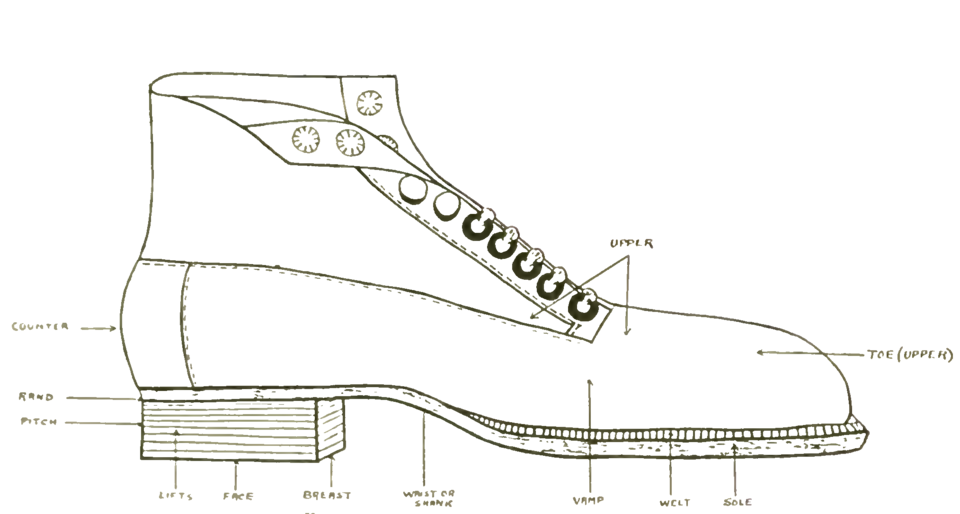
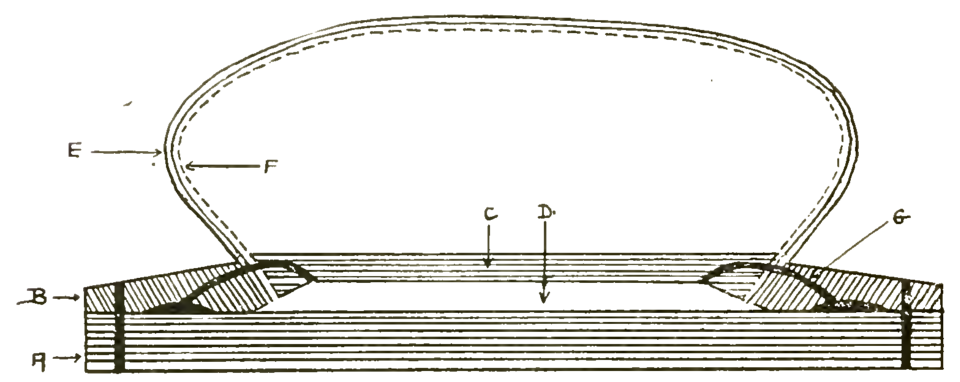
The construction of a shoe is the first factor in its longevity. Most everyday shoes are made using either a glue-and-stitch method or a more premium goodyear Welt construction. The glue-and-stitch method is common in budget footwear and uses adhesive to hold parts together, often reinforced with stitching. It's cost-effective but can wear down faster with heavy use or water exposure. More durable options, like mid-range and premium shoes, often feature a goodyear Welt, where a strip of leather wraps around the shoe's sides and is stitched through the sole and heel. This allows for easier replacement of soles and heels, significantly extending the shoe's life.
Materials also play a crucial role. Uppers made from full-grain leather or high-quality synthetics tend to hold up better than their cheaper counterparts made from thin leather or fabric. Soles should be sturdy and made from materials like rubber or polyurethane. The weight and flexibility of the sole can also indicate quality—if a shoe feels flimsy or overly stiff, it might not be built to last. Cheaper shoes often use lighter, less durable materials to reduce cost, while mid-range options balance quality and price effectively.
Sizing, Fit, and Compatibility: Why It Matters More Than You Think
One of the most common buyer mistakes is ignoring fit. Shoes that don't fit properly will wear out faster, regardless of quality. Most shoes are designed to stretch slightly with wear, but they shouldn't need to be broken in harshly. When trying on shoes, wear the same type of socks you'd wear with them and walk around to ensure there's enough room in the toe box. Your feet should not be crunched, but your heel shouldn't slide around either.
Sizing can vary by brand, so it's wise to try on shoes in person if possible. If shopping online, check the brand's sizing guide and consider ordering a half-size up if you have wide feet or plan to wear thick socks. Compatibility is also important. For instance, athletic shoes are built for specific activities and won't last as long if worn for casual walking, and vice versa. Using shoes for their intended purpose will maximize their lifespan.
Quality Signals: What to Look For When You Shop
When shopping for shoes, there are a few visual and tactile signals that can indicate quality. First, check the stitching—it should be even and tight. Loose or uneven stitching can be a sign of poor construction. Next, inspect the soles—they should be securely attached. If you can lift the sole slightly, the shoe may be more prone to separation over time.
Another quality signal is the presence of lasting (a layer of material inside the shoe that supports the foot). Shoes with lasting tend to fit better and last longer because they provide more structure. Full-grain leather uppers are a sign of durability, as they're less processed and more resilient. If leather looks shiny or过于 treated, it might be a budget-friendly synthetic that won't age as well. For non-leather options, look for dense, high-quality synthetics that feel substantial in your hand.
The trade-offs are clear: higher-quality shoes often come with a higher price tag, but they can save money in the long run by lasting longer. Budget footwear might need replacement every year or two, while mid-range shoes could last three to five years with proper care. Premium options may even outlast most owners. The key is to find value that matches your needs—don't overspend on features you won't use, but don't skimp on foundational quality either.
Care and Cleaning: Simple Habits for Longevity
Proper care is essential for extending a shoe's life. Most shoes benefit from regular cleaning, but the method depends on the material. Leather shoes should be wiped down with a damp cloth after each wear to remove dirt and moisture. Using a leather cleaner and conditioner every few months can prevent drying and cracking. For synthetic shoes, a mild soap and water solution can usually do the trick, but avoid soaking them if possible.
Water exposure is a major enemy of footwear. If your shoes get wet, stuff them with newspaper or absorbent cloths to help them dry out evenly. Avoid using direct heat, like radiators or hair dryers, as this can warp the materials. For dirtier shoes, consider using a soft brush to remove dry debris before cleaning. Most shoes can be stored at room temperature, but avoid direct sunlight, which can fade colors and dry out materials. Using shoe trees can help maintain the shape of leather shoes, preventing creasing and stretching.
Common buyer mistakes in care include using harsh chemicals on leather, letting shoes dry completely inside a bag, or using cheap, flimsy shoe trees. These habits can shorten a shoe's lifespan significantly. Investing in a good quality shoe care kit, which typically includes a cleaner, conditioner, and brush, is a small expense that pays off in the long run. For those on a tight budget, a microfiber cloth and a bit of water can often do the trick for daily maintenance.
Who This Guide Suits: Ideal for Everyday Wear
This guide is particularly useful for anyone looking to maximize the lifespan of their everyday footwear. It suits individuals who wear shoes frequently for work, school, or casual activities. If you're someone who replaces shoes every six months due to wear and tear, this advice can help you get more value from your purchases. It's also ideal for those on a budget who want to make their money stretch further by investing in quality and maintenance.
This guide isn't tailored to extreme athletes or those who need specialized performance footwear, as their needs are different. For instance, running shoes are designed for specific biomechanical support and will wear out faster if used for hiking. However, the general principles of care and fit apply to all types of shoes. It's also a good resource for gift-givers who want to ensure the shoes they buy will last beyond the first wear.
Bottom Line
Making shoes last five years often comes down to understanding their construction, choosing the right fit, recognizing quality signals, and practicing simple care habits. Most footwear sits somewhere between budget and mid-range, so the focus should be on value rather than price alone. By investing in quality and maintaining your shoes properly, you can significantly extend their life. Whether you're looking to save money or simply want your favorite shoes to last longer, these practices will help you get the most out of your footwear.
What to Check Before You Buy
- Ensure the shoes fit properly, with enough room in the toe box and a snug heel.
- Look for signs of quality construction, such as even stitching and securely attached soles.
- Consider the material and its durability—full-grain leather or high-quality synthetics tend to last longer.
- Check if the shoes come with or can be paired with good quality shoe trees for added longevity.