# How to Choose Sugar-Free Tea Without Regret: The Aroma-Fresh-Mellow-Clean F4 System
Hey there, fellow tea explorer! If you're just dipping your toes into the vast world of tea, or maybe you're young and wellness-minded but overwhelmed by all the choices, you're in the right place. I'm here to help you navigate this journey without breaking the bank or wasting money on teas that don't quite hit the mark. Today, we're focusing on how to pick sugar-free tea that you'll actually enjoy, using a simple yet effective system I like to call the Aroma-Fresh-Mellow-Clean (F4) System. Let's dive in!
Why Sugar-Free Tea? The Wellness Angle
First things first, why sugar-free tea? For starters, it's a healthier choice. Many teas on the market come loaded with added sugars, which isn't exactly what we're aiming for when we're trying to embrace a wellness lifestyle. Sugar-free tea allows you to enjoy the natural flavors and benefits of tea without any unwanted extras. Plus, it's more sustainable and often more affordable in the long run.
But how do you know which sugar-free tea to choose? That's where the F4 system comes in. It's all about finding tea that scores high on four key criteria: Aroma, Freshness, Mellowness, and Cleanliness. Let's break each one down.
Aroma: The First Impression
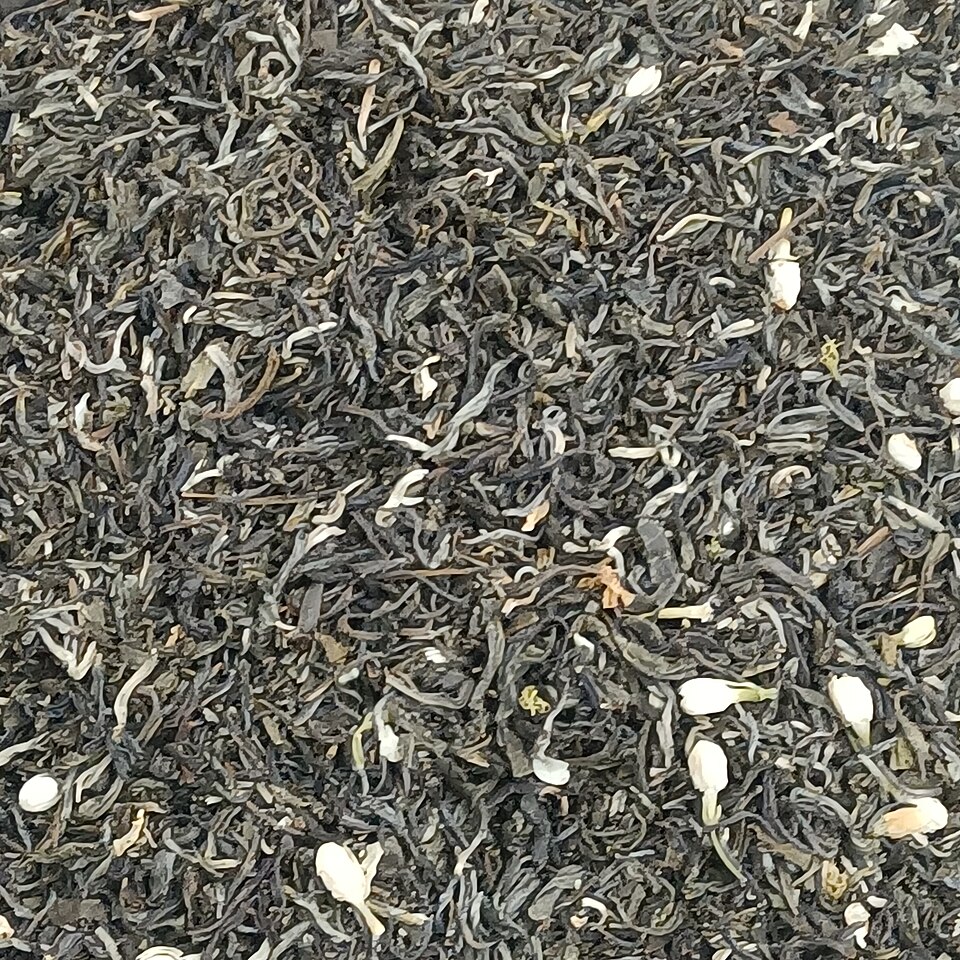
Aroma is everything when it comes to tea. It's the first thing you notice, and it can set the tone for the entire drinking experience. Look for tea that offers a delightful bouquet of floral or fruity notes. For example, Zhangyiyuan Jasmine is a great choice. It typically costs around a buck or two a bag and offers a sweet, fragrant aroma that's simply delightful. Another option is Keemun Black Tea, which has a mellow, honey-like aroma that's both inviting and comforting.
On the other hand, avoid teas with a stale or off-putting smell. If a tea doesn't smell good to you, it probably won't taste good either.
Freshness: The Vibrant Taste
Freshness is all about the tea's ability to deliver a tender and brisk taste. Fresh tea should be vibrant and lively, not dull or flat. A good indicator of freshness is the tea's appearance. Fresh tea leaves are usually bright and green (for greens and whites), while older tea leaves may look dull or brown.
Pinpinxiang White Tea is a fantastic example of a fresh tea. It's typically sold as Green Snow Bud Six Wonderful, and it starts with shoumei, which is a great way to begin your white tea journey. It offers a delicate, fresh flavor with a subtle sweetness, making it a perfect choice for those who prefer a lighter tea.
Avoid teas that taste stale or have an unpleasant bitterness. Stale tea can leave a metallic or sour aftertaste, which is definitely not what you want.
Mellowness: The Sweet Aftertaste
Mellowness refers to the sweet aftertaste and the smoothness of the tea. A good tea should leave a pleasant, lingering sweetness that isn't overwhelming. It should feel smooth and creamy in your mouth, not thin or watery.
Gongpai Longjing Green Tea is an excellent example of a mellow tea. It's typically available as Luzhenghao, and it's especially noted for its pre-Qingming varieties. These teas offer a rich, honey-like sweetness with a smooth, mellow finish. Another great option is Xiaguan Tuocha, a raw pu-erh that provides a balanced, mellow flavor with a subtle earthiness.
On the flip side, avoid teas that leave a harsh or astringent aftertaste. Astringency can make your mouth feel dry and uncomfortable, which is definitely not the goal.
Cleanliness: The Pure Ingredients
Cleanliness is all about the quality of the ingredients and the absence of any unwanted additives. A good tea should be free from any artificial flavors, colors, or preservatives. It should taste like the tea leaves themselves, nothing more, nothing less.
When choosing tea, always look for brands that prioritize natural ingredients. Everyday Tea brands like Dayi and Xiaguan are great examples. For instance, Dayi 7572 is a ripe pu-erh that's known for its clean, smooth flavor. It's a benchmark blend that's often recommended for beginners, and it typically costs around $14-42, making it an affordable and reliable choice.
Avoid teas that come in suspiciously cheap packaging or have a list of unfamiliar ingredients. If you can't pronounce it, it's probably best to steer clear.
Getting Started: Essential Teaware on a Budget
Now that you know what to look for in tea, let's talk about the teaware you'll need. As a beginner, you don't need to spend a lot of money on fancy equipment. In fact, you can get started with a basic four-piece set that won't break the bank.
The Beginner's 4-Piece Set
Here's what you'll need:
1. Kettle: You can reuse your home electric kettle for this. No need to buy a new one unless you already have one that you really like.
2. White-Porcelain Gaiwan: A 120ml white-porcelain gaiwan is perfect for beginners. It's affordable ($4-7), works with any type of tea, and shows the truest taste of the tea. Plus, it's easy to clean. A gaiwan with a flared rim is a good choice because it won't scorch your fingers, and a moderate knob makes it easy to handle.
- Pitfalls to Avoid: Steer clear of wood-fired, clay, or gilt-overglaze wares. Insist on high-fired porcelain (1200C+). Remember, 'The end of the gaiwan journey is just one gaiwan.'
3. Glass Fairness Pitcher: A 150-250ml glass fairness pitcher is slightly bigger than the gaiwan. It helps ensure that the tea is evenly steeped and distributed. Plus, the glass allows you to see the color of the tea liquor, which is important for judging the quality.
4. Thin White-Porcelain Tasting Cups: These should have an inner wall that is white to read the liquor color accurately. They're thin, which makes them easy to hold and savor the tea.
- Total Cost: The whole set will run you about $15, making it an affordable investment in your tea journey.
Gaiwan vs. Zisha: What to Choose First
As you grow more comfortable with tea, you might start wondering about different types of teaware. There are two main types to consider: the gaiwan and the zisha (Yixing) teapot.
- Gaiwan: The gaiwan is the perfect teaware for beginners. It's cheap ($4-7), works with any type of tea, absorbs no flavor (so you won't get cross-taste), and shows the truest taste of the tea. It's also easy to clean, making it a practical choice for daily use.
- Zisha Teapot: Once you're more experienced, you might want to upgrade to a zisha teapot. These teapots are made from a special type of clay that has a dual-porosity wall, meaning it can absorb and hold the flavor of the tea. This can be a beautiful thing, as it allows the tea to develop a deeper, more complex flavor with each steep.
- Pitfalls to Avoid: Don't buy sub-$15 'fully handmade' pots; they're often mostly machine-pressed fakes. Don't fall for 'millennium-old clay' marketing; it's usually just a gimmick. Preferring Huanglongshan original-ore clay is a good idea, and classic shapes like Shihao and Yuni are rarely a miss. A title or certificate is just a label; it's not a substitute for good clay and craft.
Navigating the Tea Selection: Everyday Tea Brands
Now that you have your teaware, let's talk about some everyday tea brands that are blind-buy safe and won't let you down. These brands offer high-quality teas that are perfect for beginners and wellness-minded individuals.
Ripe Pu-erh: Dayi 7572
Ripe pu-erh is a great choice if you enjoy a sweet, earthy flavor. Dayi 7572 is a benchmark blend that's known for its clean, smooth taste. It's typically priced between $14-42, making it an affordable and reliable option.
Raw Pu-erh: Xiaguan Tuocha / Xiaguan 8653
If you prefer a more natural, grassy flavor, raw pu-erh is the way to go. Xiaguan Tuocha and Xiaguan 8653 are excellent entry-level options that offer a balanced, nuanced taste.
Longjing Green Tea: Gongpai / Luzhenghao
Longjing green tea is famous for its honey-like sweetness and smooth, mellow flavor. Gongpai and Luzhenghao are two great brands to look for. The pre-Qingming varieties are especially noted for their rich, face-like aroma, while the pre-rain varieties offer a more substantial, substance-like taste.
Jasmine Tea: Zhangyiyuan / Wuyutai / Houwang
Jasmine tea is beloved for its fragrant, floral aroma. Zhangyiyuan, Wuyutai, and Houwang are all great brands that offer affordable jasmine teas. Plus, you can even enjoy a cold-brew version for a refreshing twist.
White Tea: Pinpinxiang / Greenleaves / Green Snow Bud Six Wonderful
White tea is delicate and refreshing, with a subtle sweetness. Pinpinxiang, Greenleaves, and Green Snow Bud Six Wonderful are all excellent brands to start with. Shoumei is a great variety to begin with, and you should avoid '10-year old white tea' as it's often a sign of heavy fake-aging.
Black Tea: Keemun
Keemun black tea is known for its mellow, honey aroma. It's a great all-around tea that pairs well with a variety of flavors.
Oolong Tea: Bama / Fengshan (Tieguanyin), Xigua / Wuyi Star (Rock Tea), Tianchi (Phoenix Dancong)
Oolong tea offers a wide range of flavors, from floral to fruity to earthy. Bama and Fengshan are great for tieguanyin, while Xigua and Wuyi Star offer delicious rock tea options. Tianchi is a Phoenix Dancong variety that's known for its unique duck-shit aroma, which is a hallmark of its flavor profile.
The 2026 Trend: Sugar-Free Tea and Wellness Recipes
As we move into 2026, sugar-free tea is becoming increasingly popular, especially among wellness-minded individuals. One of the biggest trends is the rise of fully feminized and youthful ripe pu-erh teas. These teas come in small, portable formats like dragons, mini cakes, sachets, and cold brews, and they often feature unique flavors like tangerine-peel pu-erh, rose pu-erh, and jasmine pu-erh.
- Price Range: These teas typically cost between $14-42, making them an affordable and accessible option for those new to pu-erh.
- Marketing Buzzwords: You'll often hear words like 'cut-grease', 'de-bloat', 'stomach-soothing', 'sleep-aid', 'low-cal', and 'warm' used to describe these teas. While these words may be appealing, it's important to remember that they're just marketing buzzwords and don't necessarily reflect the actual health benefits of the tea.
- BANNED Words: Platforms like Xiaohongshu have banned words like 'weight-loss', 'cure', 'lower 3-highs', 'ancient-tree', 'Lao Banzhang', and 'collectible appreciation' from tea descriptions. This is because these words are often misleading and can give consumers false hope.
- Wellness Recipe: One popular wellness recipe involves steeping 1 small piece of dried tangerine peel with 3g of ripe pu-erh in 95C water. It's recommended to drink this 30 minutes after meals for mild dehumidifying regulation, making it a great choice for desk sitters.
Avoiding Fragile-Wellness Tea Pitfalls
While exploring the world of tea, you'll come across a variety of wellness teas that claim to offer everything from energy boosts to detoxification. However, it's important to be cautious and avoid certain types of teas that can do more harm than good.
Viral 'Stay-Up Rescue Tea'
These teas are often marketed as a way to stay awake without the side effects of caffeine. However, they usually contain high levels of caffeine and other stim
Same items on Amazon (40)
Titles and prices are quoted exactly as Amazon lists them (Amazon's own wording, not translated). Prices checked 2026-10-29 and can change on their end.