# How to Brew Green Tea Without Bitterness: Temperature and Leaf Ratio
Brewing green tea can be a delightful experience, but achieving the perfect cup often comes down to two key factors: water temperature and leaf-to-water ratio. The wrong balance can leave you with a bitter, astringent cup instead of the fresh, vegetal notes green tea is known for. For anyone looking to refine their tea-making skills or invest in tools that help achieve this balance, understanding what to look for in equipment and practices is essential. This guide covers the practical aspects of brewing green tea without bitterness, focusing on the materials, construction, and value that matter most.
Understanding the Science Behind Green Tea
Green tea leaves are sensitive to heat, which is why temperature control is crucial. Overheating can scorch the leaves, releasing tannins that cause bitterness. The optimal water temperature for most green teas typically ranges from 165°F to 175°F (74°C to 80°C). Some delicate varieties, like sencha, might require slightly cooler water, while more robust teas, such as bancha, can handle a bit more heat.
Leaf ratio also plays a significant role. Using too many leaves can overwhelm the water, leading to a bitter infusion, while too few leaves result in a weak, underdeveloped flavor. The general rule of thumb is one teaspoon of loose leaf tea per 8 ounces of water, but this can vary based on leaf size and desired strength.
Materials and Construction: What to Look For
When investing in tools to help brew green tea, the materials and construction of the equipment are important considerations. Most green tea brewing tools fall into a few categories: infusers, steeping cups, and kettle options.
Infusers and Strainers
Most infusers are made from stainless steel, bamboo, or silicone. Stainless steel is durable and heats quickly, ensuring consistent water temperature, but it can be less flexible than other materials. Bamboo offers a more natural feel and is gentle on leaves, though it may not retain heat as well. Silicone is flexible and easy to clean, making it a popular choice for travel.
When choosing an infuser, look for one with small holes or tight mesh to prevent leaves from overstepping their welcome and making the tea bitter. Stainless steel options often come in basic, no-frills designs, while bamboo and silicone varieties may offer more aesthetic appeal. Most sit somewhere between budget and mid-range in price, with stainless steel being the most affordable and silicone the most expensive.
Steeping Cups
Some tea drinkers prefer using a small, dedicated steeping cup to control the brewing process. These cups are typically made of ceramic or glass. Ceramic retains heat well, which can help maintain the ideal water temperature, while glass allows for better visibility of the brewing process.
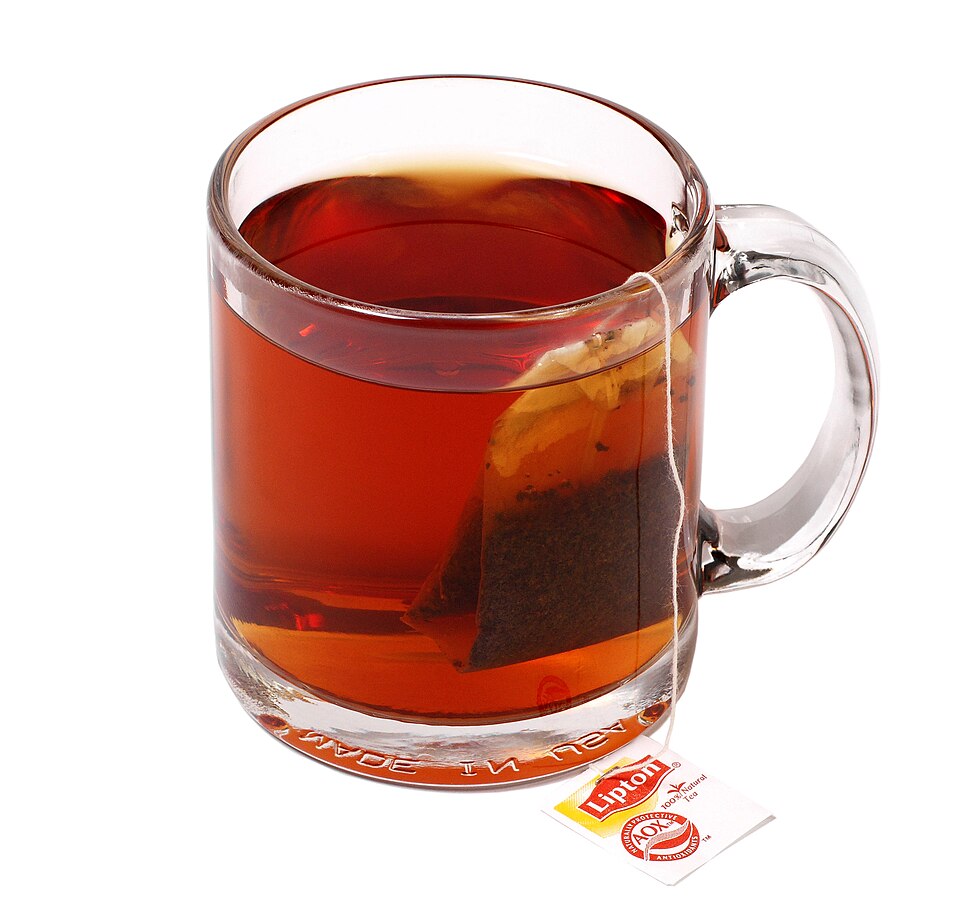
High-quality steeping cups are usually made of thick, heat-resistant glass or ceramic that won’t crack or warp over time. They often come with a lid to prevent heat loss and keep the tea warm. These items tend to be mid-range in price, offering good value if they are well-made and durable.
Kettles
For those who want to control the water temperature precisely, an electric kettle with temperature settings is a worthwhile investment. These kettles range from basic models with a few temperature options to more advanced ones with digital controls.
Most electric kettles made for tea brewing are made of stainless steel or glass. Stainless steel kettles are more durable and efficient at heating water to the correct temperature, while glass kettles are more visually appealing and allow you to see the water temperature. These kettles typically sit in the mid-range to higher end of the price spectrum, but they offer long-term value for consistent results.
Quality Signals and Common Buyer Mistakes
When shopping for green tea brewing tools, certain signals can indicate quality. For infusers and strainers, look for options with a fine mesh or small holes to prevent leaf overuse. Stainless steel or bamboo construction often suggests durability and natural materials, respectively. For steeping cups, check that the glass or ceramic is thick and sturdy, and that the lid fits snugly to retain heat.
A common buyer mistake is purchasing cheap, flimsy infusers that don’t hold leaves properly or let them seep too freely. This can lead to an uneven infusion and bitterness. Similarly, using a kettle that can’t maintain a consistent temperature can result in overheating the tea leaves.
Another mistake is ignoring the importance of water quality. Even the best brewing tools can’t compensate for poor-quality water. Using filtered or spring water will yield better results than tap water, which can be high in minerals that affect taste.
Care and Cleaning
Proper care and cleaning are essential to ensure your brewing tools last and continue to perform well. Most infusers and strainers are dishwasher-safe, but handwashing is recommended to prevent scratches or damage to the mesh. For steeping cups, avoid using abrasive sponges or harsh chemicals, as these can degrade the material.
Stainless steel kettles are generally low-maintenance, but it’s important to descale them regularly if you use hard water. Glass kettles should be handled with care to prevent cracks, especially if they have digital components. Regular cleaning will not only extend the life of your tools but also ensure the best tasting tea.
Who It Suits and Gift-Worthiness
Green tea brewing tools are ideal for anyone looking to improve their tea-making skills or appreciate the nuanced flavors of green tea. They suit both beginners and experienced tea drinkers who want to refine their technique. The tools are also great for those who enjoy hosting tea parties or entertaining guests.
When it comes to gift-worthiness, these items offer a thoughtful and practical present for tea enthusiasts. A high-quality stainless steel infuser or a sleek glass steeping cup can be a welcome addition to any tea lover’s collection. More elaborate electric kettles with temperature controls are also appreciated, though they may be on the higher end of the price spectrum.
Bottom Line
Brewing green tea without bitterness is all about temperature and leaf ratio, and the right tools can make all the difference. Whether you choose a simple infuser, a dedicated steeping cup, or an electric kettle with precise temperature control, investing in quality materials and construction will pay off in better-tasting tea. Remember to clean your tools regularly and use filtered water for the best results.
What to Check Before You Buy
- Ensure the infuser or strainer has a fine mesh to control leaf usage.
- Look for steeping cups made of thick, heat-resistant glass or ceramic.
- Consider an electric kettle with temperature settings for precise control.
- Check that the kettle is made of durable materials like stainless steel or glass.