# How to Brew Gaiwan Tea Without Bitter Astringency (Water Temp and Timing)
Hey there, tea newbie! So you've decided to dive into the wonderful world of tea, and you've heard good things about gaiwan brewing. That's awesome! Gaiwan is a fantastic way to experience tea's true flavors without breaking the bank. But let's be real, the first time you try to brew it, you might end up with a cup that tastes like bitterness and astringency. Trust me, I've been there too.
The good news? You can totally avoid that! Today, we're focusing on two key factors: water temperature and timing. Get these right, and your gaiwan brewing game will be on point. Let's break it down.
Why Gaiwan? A Beginner's Best Friend
Before we jump into the nitty-gritty, let's quickly recap why gaiwan is such a great choice for beginners. Unlike some other teaware, gaiwan is super affordable, versatile, and easy to clean. Plus, it doesn't absorb flavors, so you won't end up with that weird cross-taste in your next brew.
Here’s what you need to know about getting started:
The Perfect Beginner Teaware Setup
For about $15, you can get a basic four-piece set that will serve you well on your tea journey. This includes:
- Kettle: You can reuse your home electric kettle. No need to buy a fancy one.
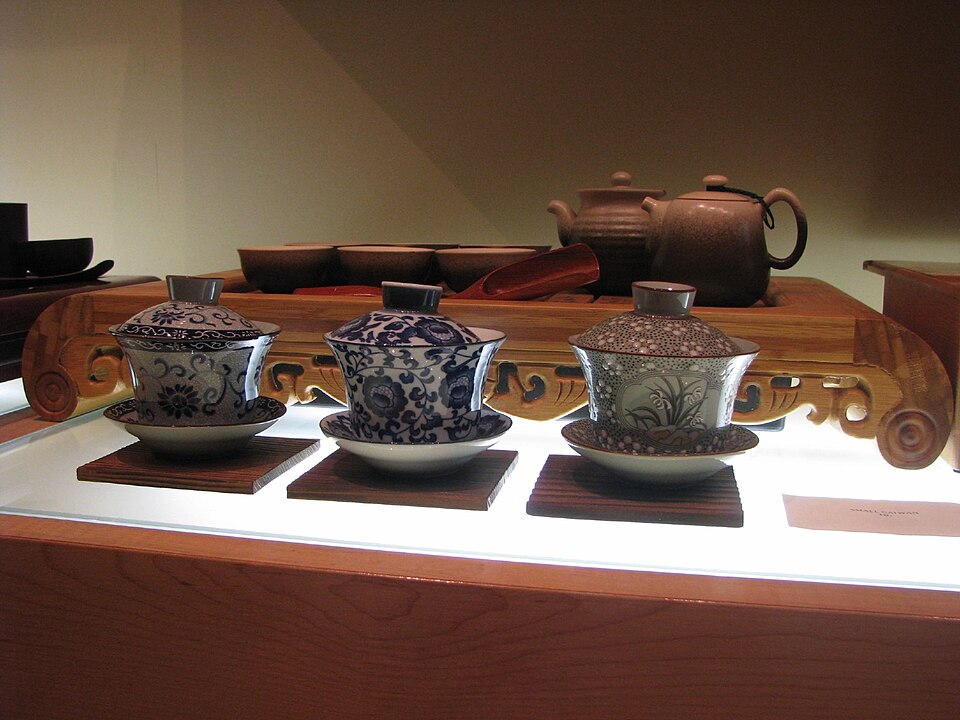
- White-porcelain gaiwan: A 120ml size is standard and perfect for beginners. Look for one with a flared rim to avoid scorching your fingers.
- Glass fairness pitcher: Slightly bigger than your gaiwan (around 150-250ml), this helps ensure an even brew.
- Thin white-porcelain tasting cups: The inner wall must be white so you can properly judge the color of the tea liquor.
Gaiwan Pitfalls to Avoid
While gaiwan is great for beginners, there are a few things to keep an eye out for. First, stick with white porcelain and avoid wood-fired, clay, or gilt-overglaze wares. Make sure it's high-fired porcelain (1200C+). And remember, the journey with gaiwan doesn't end—you'll eventually want to upgrade to a zisha teapot, but for now, one gaiwan is plenty.
The Magic of Water Temperature and Timing
Now, let's get into the heart of the matter: how to brew gaiwan tea without bitterness and astringency. The two main factors here are water temperature and steeping time.
Water Temperature: Getting It Just Right
Water temperature is crucial when it comes to brewing tea. Too hot, and you'll extract too many tannins, leading to bitterness and astringency. Too cool, and the tea won't infuse properly, resulting in a weak and underwhelming cup.
Here’s a quick guide based on the type of tea:
- Ripe Pu-erh: 95°C (203°F) is the sweet spot. This temperature helps to extract the rich, earthy flavors without overwhelming the tea with bitterness.
- Raw Pu-erh: Slightly lower, around 90°C (194°F). This will help to bring out the nuanced flavors without making the tea too astringent.
- Green Tea (like Longjing): 80°C (176°F) is ideal. This temperature helps to preserve the fresh, grassy notes of the tea without scorching it.
- Jasmine Tea: 85°C (185°F) works well. This temperature helps to release the fragrant oils of the jasmine without making the tea too harsh.
- White Tea (like Shoumei): 85°C (185°F) is perfect. This temperature helps to bring out the delicate, floral notes of the white tea without making it too bitter.
- Black Tea (like Keemun): 100°C (212°F) is standard. This temperature helps to extract the full, robust flavors of the black tea.
- Oolong (like Tieguanyin): 90°C (194°F) is ideal. This temperature helps to bring out the aromatic, floral notes of the oolong without making it too astringent.
Timing: Don't Over-Steep!
Just as important as water temperature is steeping time. Over-steeping can lead to bitterness and astringency, while under-steeping can result in a weak and underwhelming cup. Here’s a general guide:
- Ripe Pu-erh: 30 seconds to 1 minute per steep. Ripe pu-erh is quite forgiving, so you can experiment a bit with the timing.
- Raw Pu-erh: 20-30 seconds per steep. Raw pu-erh is more delicate, so you’ll want to be careful not to over-steep it.
- Green Tea: 30 seconds to 1 minute per steep. Green tea is quite delicate, so you’ll want to be gentle with it.
- Jasmine Tea: 1-2 minutes per steep. Jasmine tea benefits from a longer steep to fully release its fragrance.
- White Tea: 2-3 minutes per steep. White tea is quite forgiving, so you can experiment a bit with the timing.
- Black Tea: 3-5 minutes per steep. Black tea is robust and can handle a longer steep.
- Oolong: 1-2 minutes per steep. Oolong is versatile and can be steeped multiple times, each time revealing new flavors.
Tips for Perfect Steeping
Here are a few extra tips to help you achieve the perfect steep:
1. Preheat Your Gaiwan: Before adding your tea leaves, pour some hot water into your gaiwan and discard it. This helps to heat the gaiwan and ensure an even brew.
2. Use the Right Amount of Tea: A general rule of thumb is to use about 3 grams of tea leaves per 100ml of water. Adjust this to your taste.
3. Stir Gently: After adding the tea leaves, give them a gentle stir to ensure they are fully submerged in the water.
4. Watch the Clock: Use a timer to keep track of your steeping time. This will help you to avoid over-steeping.
5. Sip and Adjust: As you steep your tea, take small sips to check the flavor. If it’s too bitter or astringent, you may need to adjust your water temperature or steeping time.
Common Tea Types and Their Ideal Brewing Conditions
Let’s dive into some specific tea types and their ideal brewing conditions based on the verified facts provided.
Ripe Pu-erh
Ripe pu-erh is known for its rich, earthy flavors. To avoid bitterness and astringency, use 95°C water and steep for 30 seconds to 1 minute. A great brand to start with is Dayi 7572, which is a benchmark blend for ripe pu-erh. It’s typically priced around $14-42, depending on the format (like mini cakes or sachets).
Raw Pu-erh
Raw pu-erh is more delicate with a fresh, grassy flavor. Use 90°C water and steep for 20-30 seconds. Xiaguan Tuocha and Xiaguan 8653 are great entry-level options. These are generally priced within the same range as ripe pu-erh.
Green Tea (Longjing)
Longjing green tea has a mellow, honey aroma. Use 80°C water and steep for 30 seconds to 1 minute. Brands like Gongpai and Luzhenghao are excellent choices. These teas are usually priced around $14-42.
Jasmine Tea
Jasmine tea is famous for its fragrant aroma. Use 85°C water and steep for 1-2 minutes. Brands like Zhangyiyuan, Wuyutai, and Houwang offer great options, typically priced around $14-42.
White Tea (Shoumei)
White tea has a delicate, floral flavor. Use 85°C water and steep for 2-3 minutes. Pinpinxiang, Greenleaves, and Green Snow Bud Six Wonderful are good starting points. These teas are also generally priced within the $14-42 range.
Black Tea (Keemun)
Black tea has a robust, honey aroma. Use 100°C water and steep for 3-5 minutes. Keemun is a classic choice and is typically priced around $14-42.
Oolong
Oolong tea is versatile, with aromatic, floral notes. Use 90°C water and steep for 1-2 minutes. Tieguanyin from Bama and Fengshan, Xigua from Wuyi, and Tianchi from Phoenix Dancong are great options. These teas are also typically priced around $14-42.
Sugar-Free Tea F4 System (2026 Trend)
If you’re interested in the latest tea trends, the F4 system is worth knowing about. It focuses on four key qualities:
- Aroma: Floral or fruity layers.
- Fresh: Tender and brisk.
- Mellow: Sweet aftertaste, smooth not thin.
- Clean: Clean ingredients, no astringency.
Drinking tea that aligns with these qualities can enhance your overall tea experience.
Fragile-Wellness Tea Pitfalls
While exploring the world of tea, it’s important to be aware of some common pitfalls, especially when it comes to wellness teas. Here are a few to watch out for:
- Viral 'Stay-Up Rescue Tea': These teas are often loaded with caffeine, which can force wakefulness but harm your body in the long run.
- 'Detox Tea': These teas often contain laxatives, which can harm your spleen and stomach.
- 'Qi-Blood Tonic Tea': Random combinations of ingredients don’t necessarily cancel out each other’s effects. It’s better to stick to well-known recipes.
Four Constitution Recipes
If you’re interested in wellness teas based on your constitution, here are some general guidelines:
- Fatigue: Goji chrysanthemum tea.
- Damp: Tangerine-peel ripe pu-erh tea.
- Qi-Blood Deficient: Red-date black tea.
- Sitting-Heat: Honeysuckle white tea.
White Tea: Start with NEW Shoumei
When it comes to white tea, it’s best to start with NEW shoumei. Avoid teas labeled as '10-year old white tea,' as this is often a sign of heavy fake-aging.
Gifting Tea
If you’re looking to gift tea, a gaiwan is a great choice. It’s a versatile piece of teaware that can be used with any type of tea, and it’s a great way for the recipient to explore different flavors. For a pot, it’s best to put the budget into clay and craft, especially if you can find one with a clear explanation of its origins and production methods.
Wrap-Up / Bottom Line
Brewing gaiwan tea without bitterness and astringency is all about getting the water temperature and steeping time just right. By following the guidelines outlined in this article, you’ll be able to enjoy a delicious and refreshing cup of tea every time. And remember, the journey with tea is a continuous learning process—don’t be afraid to experiment and find what works best for you. Happy brewing!
Same items on Amazon (1)
Titles and prices are quoted exactly as Amazon lists them (Amazon's own wording, not translated). Prices checked 2026-10-29 and can change on their end.