# How Much Should a First Gaiwan Cost? A $5 vs $15 vs $50 Comparison
Choosing your first gaiwan can feel like stepping into a world of subtle differences, especially when you're presented with such stark price options as $5, $15, and $50. The good news is that understanding what these price points generally signify can help you make a practical choice that suits your needs and budget. A gaiwan is essentially a small bowl designed for steeping tea, and its quality can impact both the tea's flavor and your brewing experience. Let's break down what you should consider at each price tier.
What to Expect at the $5 Price Point
The $5 gaiwan is typically found in budget-friendly sections of online stores and markets. These cups are usually made from simpler materials and are designed for basic use. At this price, you're often looking at:
- Materials: Commonly, these gaiwans are crafted from ceramic or porcelain, but the quality may vary. Some budget options might use thicker, less refined clay or glazes that are more prone to chips or cracks.
- Construction: The construction is usually straightforward, with no special features or ergonomic designs. The focus is on providing a basic functional item.
- Sizing: The size of a $5 gaiwan is typically small, usually around 4-6 ounces, making it suitable for single servings.
- Quality Signals: The most you can expect here is a clean, undamaged cup that holds tea without leaking. Any aesthetic appeal is secondary to functionality.
- Trade-offs: You might notice the gaiwan feels a bit rough or the glaze has imperfections. Durability is a concern, as these cups may not withstand frequent use or high heat.
Who is this for? If you're experimenting with tea brewing or want a backup cup, a $5 gaiwan can be a good starting point. However, if you plan to use it daily or handle delicate teas, it might not be the most practical choice.
The $15 Gaiwan: A Step Up in Quality
Moving up to the $15 gaiwan, you begin to see noticeable improvements in both materials and construction. This price range opens up more options for those who want a better brewing experience without a significant investment:
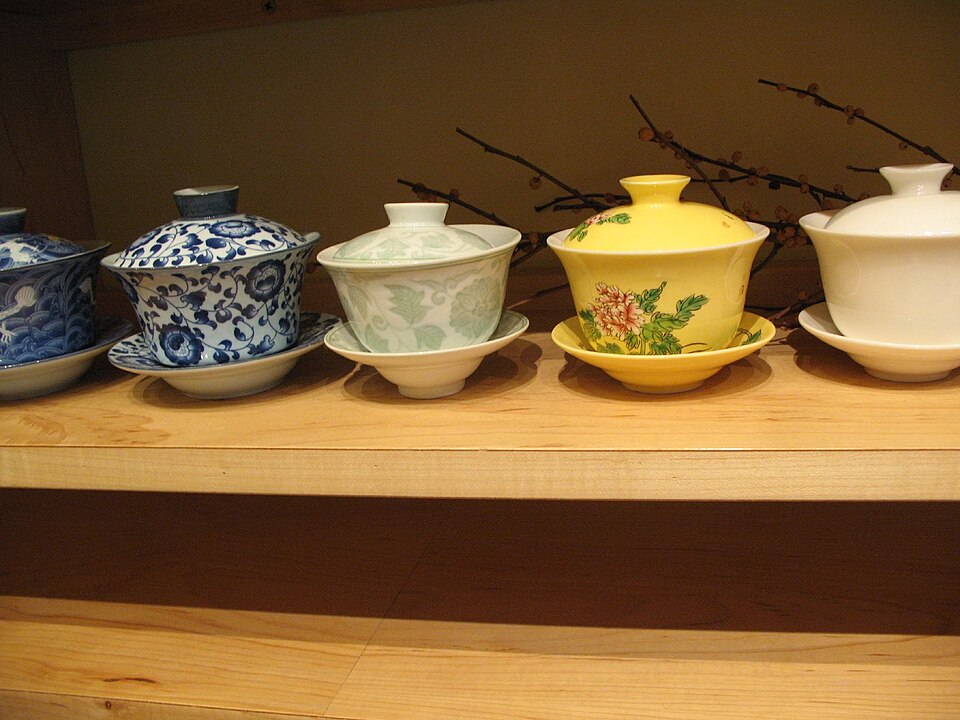
- Materials: At $15, you're likely to find better quality ceramic or porcelain. The clay may be finer, and the glaze could be more durable and aesthetically pleasing. Some might even offer stoneware options, which can retain heat well.
- Construction: The construction is more refined, with smoother edges and a more consistent shape. These gaiwans often feel more substantial in the hand, which can enhance the brewing ritual.
- Sizing: Sizes in this range are still typically small to medium, around 4-8 ounces, but the variety might be slightly greater. You might find options that are easier to handle or more ergonomically designed.
- Quality Signals: Look for a gaiwan that feels well-balanced, has a smooth finish, and shows no signs of imperfections. A good glaze can also indicate better craftsmanship.
- Trade-offs: While the quality is a step up, you might still notice some minor imperfections or limitations. For example, a $15 gaiwan might not be as heat-resistant as higher-end options.
Who is this for? The $15 gaiwan is a great choice for tea enthusiasts who want a more refined brewing experience but don't want to spend a lot. It's suitable for regular use and can handle a variety of teas, making it a practical investment for anyone serious about tea.
The $50 Gaiwan: Where Quality and Craftsmanship Meet
At the $50 price point, you're entering the realm of higher-end gaiwans that often reflect more in-depth craftsmanship and better materials. These cups are designed for both aesthetics and functionality, making them a worthwhile investment for serious tea drinkers:
- Materials: Gaiwans in this range are typically made from premium ceramic or porcelain. The clay used is often high-quality, sourced for its specific properties, such as heat retention or smoothness. Some might even incorporate rare clays or stones for unique textures.
- Construction: The construction is meticulous, with attention to detail in every aspect. The shape, balance, and size are carefully considered to enhance the brewing experience. These gaiwans often feel well-crafted and comfortable to hold.
- Sizing: While still generally small to medium, the variety of sizes and shapes might be more extensive. You might find options that are specifically designed for certain types of tea or brewing methods.
- Quality Signals: A $50 gaiwan will likely have a flawless finish, a balanced feel, and a subtle elegance. The glaze might be exceptionally smooth, and the overall design could be both functional and aesthetically pleasing.
- Trade-offs: The primary trade-off here is cost. However, the benefits in terms of quality and durability often justify the price for those who use their gaiwan frequently or appreciate fine craftsmanship.
Who is this for? The $50 gaiwan is ideal for tea aficionados who want the best possible brewing experience. It's suitable for daily use and can handle a wide range of teas, making it a long-term investment that enhances the tea ritual.
Care and Cleaning Across Price Tiers
Regardless of the price, proper care and cleaning are essential to maintain the quality of your gaiwan. Here’s what you should keep in mind:
- Basic Cleaning: After each use, rinse the gaiwan with warm water and a soft brush or sponge. Avoid using harsh chemicals or abrasive scrubbers, as these can damage the glaze or clay.
- Drying: Always dry the gaiwan thoroughly to prevent mold or residue. A soft cloth or air drying is recommended.
- Storage: Store your gaiwan in a safe place where it won’t get bumped or chipped. Avoid stacking gaiwans directly on top of each other, as this can cause them to crack.
- Special Considerations: If you’re dealing with delicate teas, consider how the gaiwan’s material might affect the brewing process. For example, stoneware retains heat well, which can be beneficial for certain teas, while porcelain might be better for teas that require a cooler brewing temperature.
Common Buyer Mistakes to Avoid
When shopping for a gaiwan, it’s easy to fall into some common pitfalls. Here are a few to keep in mind:
- Overlooking Size: Not all gaiwans are created equal in terms of size. Consider how much tea you typically drink and choose a gaiwan that fits your needs. A cup that’s too small or too large can affect your brewing process.
- Neglecting Material Quality: A cheap gaiwan might save you money upfront, but it could end up costing you more if it’s not durable. Look for signs of quality, such as a smooth finish and balanced feel.
- Ignoring Ergonomics: A gaiwan that’s uncomfortable to hold can make the brewing process less enjoyable. Consider the shape and size to ensure it fits comfortably in your hand.
- Falling for Hype: While some gaiwans come with elaborate descriptions or high price tags, it’s essential to focus on practical features that enhance your brewing experience. Don’t be swayed by hype words or unrealistic claims.
Who It Suits and Gift-Worthiness
A gaiwan can be a great gift for a variety of people, depending on their interests and lifestyle:
- Tea Enthusiasts: If someone you know loves tea, a gaiwan can be a thoughtful gift that enhances their brewing experience.
- Home Brewers: For those who enjoy brewing their own coffee or other beverages, a gaiwan can offer a unique and practical addition to their kitchenware.
- Cultural Gift: In some cultures, gaiwans are a staple in tea ceremonies. If you’re looking for a gift that reflects cultural appreciation, a gaiwan can be an excellent choice.
- Gift for Travelers: A lightweight and durable gaiwan can be a great gift for someone who travels frequently, allowing them to enjoy their favorite tea on the go.
When it comes to gift-worthiness, gaiwans across all price tiers can make thoughtful presents. The key is to consider the recipient’s interests and how a gaiwan might fit into their lifestyle. Whether you’re looking for a budget-friendly option or a high-end piece, there’s a gaiwan out there that can suit their needs.
Bottom Line
Choosing your first gaiwan is a matter of balancing cost, quality, and personal preference. At $5, you get a basic functional cup; at $15, you step up to better materials and construction; and at $50, you invest in a piece of craftsmanship that can enhance your tea drinking experience. Consider what matters most to you—whether it’s durability, aesthetics, or ease of use—and choose the gaiwan that best fits your needs.
What to Check Before You Buy
- Material and Construction: Look for signs of quality, such as a smooth finish and balanced feel.
- Size and Shape: Choose a gaiwan that fits your brewing habits and is comfortable to hold.
- Care Instructions: Ensure the gaiwan is easy to clean and maintain.
- Price and Value: Consider whether the price aligns with the quality and your intended use.
Same items on Amazon (40)
Titles and prices are quoted exactly as Amazon lists them (Amazon's own wording, not translated). Prices checked 2026-10-29 and can change on their end.