# How Much Pu-erh Should You Drink Per Day? Portion and Cost Math
Pu-erh tea is a fermented Chinese tea with a rich history and a complex flavor profile. Whether you’re new to pu-erh or looking to refine your brewing habits, understanding the right portion sizes and cost considerations is key to enjoying this tea properly. This guide breaks down the practical aspects of pu-erh consumption, helping you avoid common pitfalls and make informed choices.
What Makes Pu-erh Unique?
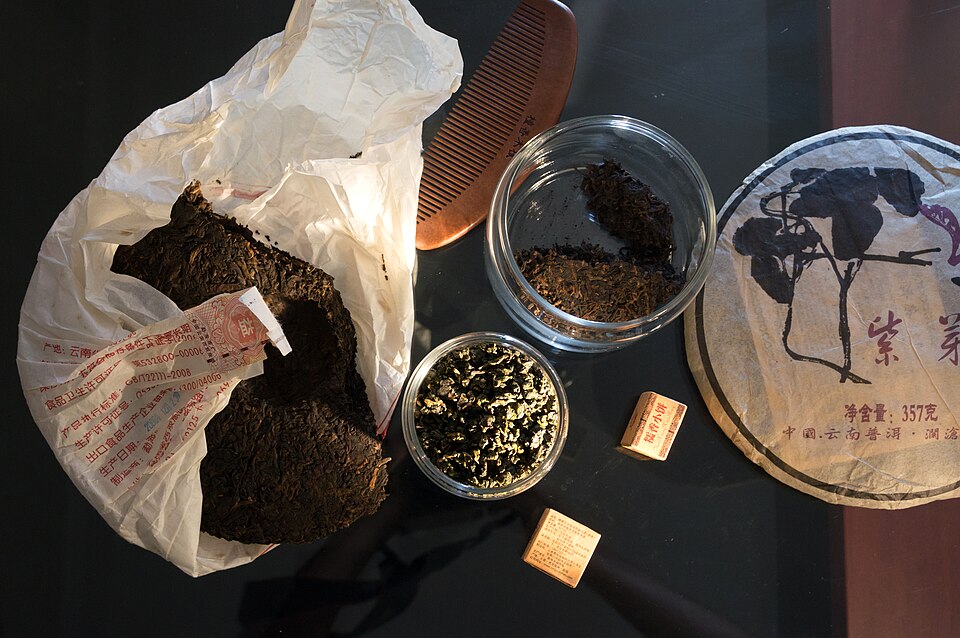
Pu-erh is distinct from other teas due to its post-fermentation process, which can be either raw (sheng) or cooked (shou). Raw pu-erh ages over time, developing deeper flavors, while cooked pu-erh has a milder, sweeter taste. The tea comes in two forms: loose leaves or compressed bricks, cakes, or balls.
The key materials here are the tea leaves themselves, sourced from the *Camellia sinensis* plant. Quality varies based on harvest location, aging processes, and production methods. Generally, higher-quality pu-erh offers more nuanced flavors and better value over time.
Standard Serving Sizes: Finding Your Sweet Spot
The recommended serving size for pu-erh depends on the tea’s form and your personal preference. Most guides suggest:
- Loose Leaf: 3–5 grams per 8 ounces of water. This ratio allows the tea to unfold without being too weak or overpowering.
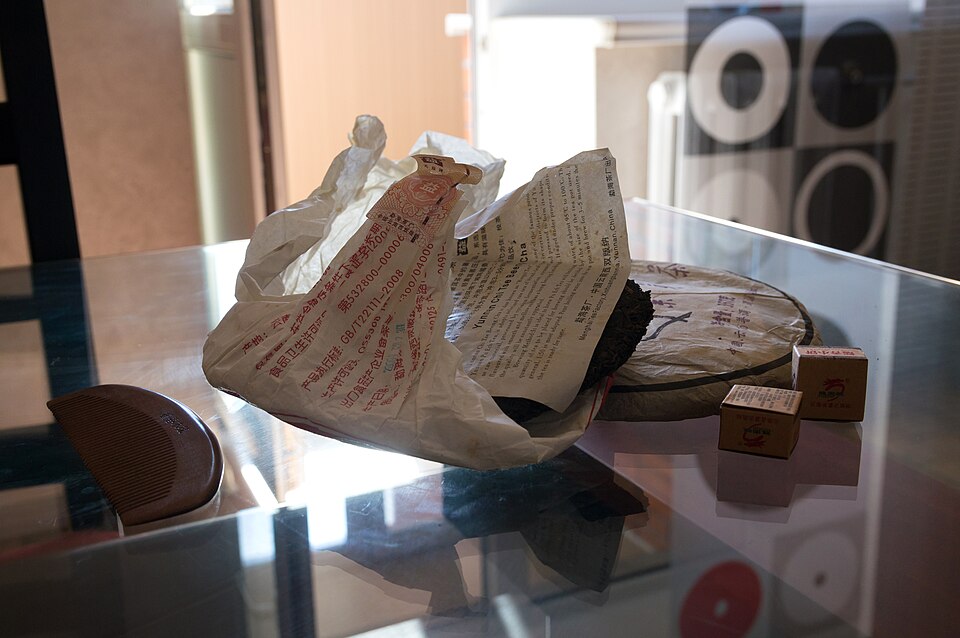
- Compressed Pu-erh: Start with a small piece (about the size of a sugar cube) and steep it multiple times. Larger bricks or cakes can be broken down as needed.
Adjustments are fine—some prefer stronger infusions, while others enjoy lighter brews. The beauty of pu-erh is its versatility, but consistency matters for proper steeping.
Quality Signals: What to Look For
When buying pu-erh, focus on these indicators of quality:
- Origin: Yunnan is the most famous pu-erh region, but other areas like Sichuan offer different flavor profiles. Higher-grade pu-erh often comes from well-regarded estates.
- Age: Raw pu-erh improves with age, but not all aged pu-erh is premium. Look for clearly labeled production dates.
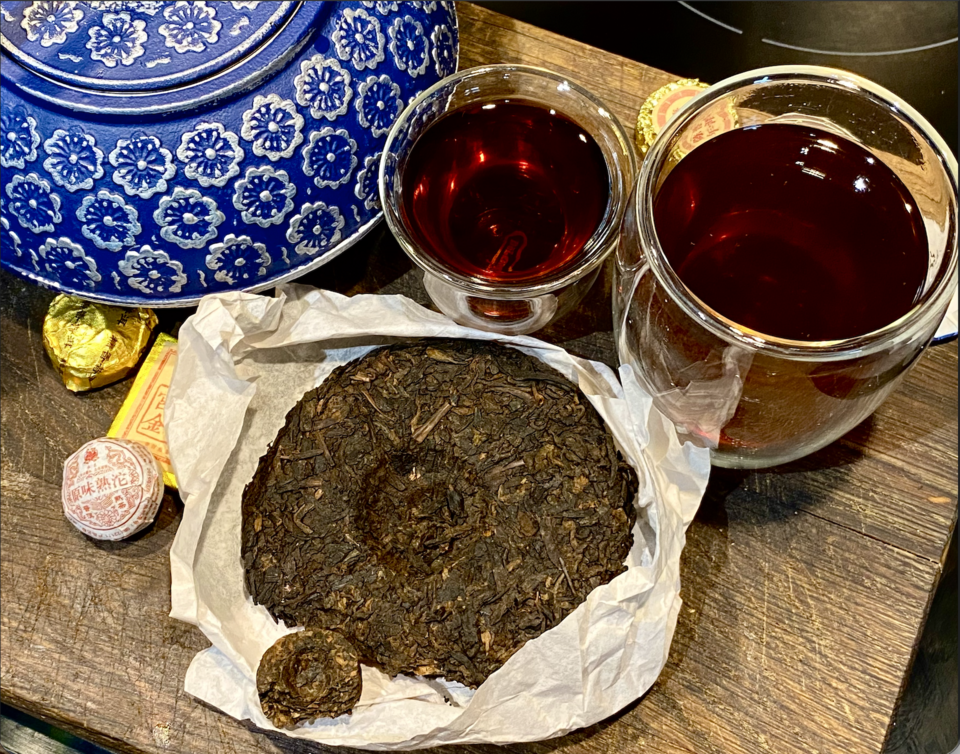
- Appearance: Loose leaves should be intact but not brittle. Compressed pu-erh should have a smooth texture and no mold.
- Price Point: Most pu-erh sits somewhere between budget and mid-range. Avoid suspiciously cheap options, as they may be low quality or counterfeit. Value is key—expensive doesn’t always mean better, but very cheap often means inferior.
Storage and Care: Keeping Pu-erh Prime
Proper storage extends the life of pu-erh and preserves its flavor:
- Keep it Dry: Humidity is pu-erh’s enemy. Store it in an airtight container away from light and moisture.
- Avoid Odors: Pu-erh absorbs smells easily. Keep it away from strong spices or perfumes.
- Aging Conditions: If storing raw pu-erh long-term, it needs a cool, dark place with some air circulation.
No special tools are needed—just airtight jars and a cool spot. Neglecting storage leads to stale or off-flavors, so don’t skip this step.
Who Should Drink Pu-erh?
Pu-erh is适合 for tea enthusiasts who enjoy experimenting with bold flavors. It’s particularly popular among:
- Health-Conscious Drinkers: Pu-erh is sometimes cited for digestion support and antioxidant properties, though science is still evolving here.
- Aging Tea Lovers: The longevitiy of raw pu-erh appeals to those who appreciate developing flavors.
- Compressed Tea Fans: The ritual of breaking and steeping compressed pu-erh can be satisfying for those who enjoy a hands-on brewing experience.
If you prefer delicate, floral teas or don’t enjoy strong, earthy flavors, pu-erh might not be your cup of tea—but it’s worth a try.
Cost Math: Breaking Down Expenses
Pu-erh can range from affordable to pricey, depending on quality and form. Here’s a general breakdown:
- Budget Pu-erh: $10–$30 for a small brick or a few grams of loose leaf. Great for beginners or those who drink daily.
- Mid-Range Pu-erh: $30–$100 for aged loose leaf or larger compressed pieces. These offer better flavor complexity and long-term value.
- Premium Pu-erh: $100+ for rare, aged, or estate-grown teas. These are investments for tea collectors.
Cost per cup varies. Loose leaf might yield 10–20 cups from a $50 bag, while compressed pu-erh can last longer but requires more labor. Calculate based on your drinking frequency to find the best fit.
Bottom Line
Pu-erh is a rewarding tea to explore, but it requires attention to portion sizes, quality, and storage. Start with standard serving recommendations, focus on clear quality signals, and store the tea properly. Whether you’re drawn to its health benefits or simply love its complex flavors, pu-erh can be a worthwhile addition to your tea routine.
What to Check Before You Buy
- Serving Size: Do you prefer loose leaf or compressed pu-erh, and how much tea fits your daily habit?
- Origin and Age: Look for pu-erh from reputable regions and clear production dates.
- Storage Conditions: Ensure the tea comes in airtight packaging to maintain freshness.
- Price vs. Quality: Avoid extremes—cheap options may lack flavor, while very expensive teas aren’t always worth the cost.
- Personal Preference: Think about whether you enjoy strong or subtle flavors before committing.
Same items on Amazon (40)
Titles and prices are quoted exactly as Amazon lists them (Amazon's own wording, not translated). Prices checked 2026-10-29 and can change on their end.