# Gifting Tea Ware: Gaiwan or Zisha? How to Choose by Recipient
So, you want to gift someone their first piece of tea ware? That's a thoughtful move! But with so many options out there, how do you know where to start? Gaiwan or Zisha? Let's break it down in a way that won't break the bank and won't lead to buyer's remorse. We'll focus on helping beginners and wellness-minded folks make smart choices, avoiding those common pitfalls that can turn a lovely gift into a waste of money.
Understanding the Basics: Gaiwan vs. Zisha
Let's start with the basics. For beginners, the gaiwan is your best friend. It's affordable, versatile, and a fantastic way to learn about different teas without worrying about cross-taste or expensive mistakes.
What is a Gaiwan?
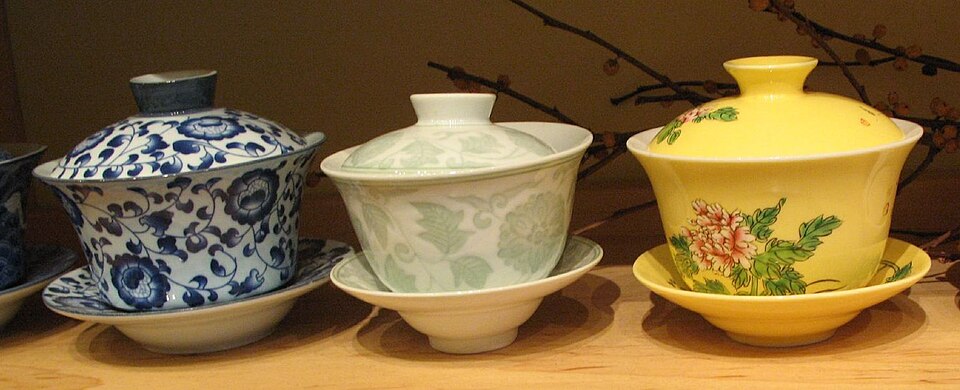
A gaiwan is a small, bowl-shaped cup with a lid and a handle. It's typically made of white porcelain, which is perfect for beginners because:
- It's cheap (usually $4-7 for a decent one)
- It works with any tea—green, black, oolong, white, or even pu-erh
- It absorbs no flavor, so you won't get cross-taste from different teas
- It shows the truest taste of the tea because the porcelain doesn't interfere
- It's easy to clean—no complicated scrubbing needed
What is Zisha?
Zisha, also known as Yixing clay, is a type of purple clay from Jiangsu, China. Zisha teapots are prized for their ability to enhance the flavor of certain teas, especially pu-erh and oolong. However, they come with a learning curve and some specific care instructions.
Why Choose Zisha?
- Enhances flavor: Zisha's dual-porosity walls absorb and release tea flavors, making each brew more nuanced.
- Develops character: Over time, a Zisha teapot can develop a "pot flavor" that complements the tea.
Why Be Wary?
- Must be one-pot-one-tea: Zisha absorbs flavor, so you can't mix different teas in the same pot.
- Steep learning curve: Not all Zisha is created equal, and caring for it properly takes time.
- Fakes abound: There's a lot of machine-pressed Zisha passed off as handmade, and some cheaper options use chemical clay that can be harmful.
Beginner's Guide to Choosing a Gaiwan
If you're gifting to someone who's completely new to tea or tea ware, a gaiwan is the way to go. It's affordable, versatile, and won't overwhelm them with complexity.
Key Features to Look For
- Material: White porcelain is best. It's high-fired (1200C+), which means it's durable and doesn't absorb flavor.
- Size: A 120ml gaiwan is standard and versatile. It's big enough for a proper brew but not so big that it's intimidating.
- Rim: Look for a flared rim. It prevents your fingers from getting scorched when you stir the tea.
- Knob: A moderate knob is easy to handle and comfortable to lift.
- Avoid: Wood-fired, clay, or gilt-overglaze wares. They can be more expensive and don't offer the same benefits as high-fired porcelain.
Gaiwan Pitfalls to Avoid
- Don't cheap out: While gaiwans are affordable, going below $4-7 might mean sacrificing quality. You want something that heats evenly and doesn't have a weird taste.
- Beware of 'handmade' claims: Some vendors market cheap, machine-pressed pots as handmade. If it's sub-$15, it's likely not genuine handmade Zisha.
- The 'end of the gaiwan journey' myth: A good gaiwan is a lifelong companion. There's no such thing as a "final gaiwan." The first one you get is just the start.
When to Consider Zisha
Zisha teapots are beautiful and functional, but they're not for everyone. They're best for someone who:
- Has some experience with tea: Zisha enhances flavor, so it's best for someone who already enjoys tea and wants to deepen their experience.
- Is willing to learn: Caring for a Zisha teapot requires some knowledge about clay, water temperature, and brewing techniques.
- Has a specific taste preference: Zisha is especially great for pu-erh and oolong, so if the recipient loves these teas, it's a good choice.
Key Features to Look For in Zisha
- Clay: Look for Huanglongshan original-ore clay. It's high-quality and produces excellent flavor.
- Shapes: Classic shapes like Shihao or Yuni are a safe bet. They're well-proven and won't go out of style.
- Price: Avoid anything sub-$15. These are often machine-pressed fakes or low-quality clay that can be harmful.
- Titles and Certifications: While a title or certification can be helpful, it's not a substitute for good clay and craftsmanship. Trust your instincts and do some research on the vendor.
Zisha Pitfalls to Avoid
- 'Millennium-old clay' marketing: This is a red flag. No legitimate Zisha clay is that old. It's a marketing ploy to make cheaper pots seem more valuable.
- Machine-pressed fakes: Many sub-$15 'fully handmade' Zisha pots are mostly machine-pressed. They might look handcrafted, but the quality and flavor won't match.
- Chemical clay: Some cheaper Zisha pots use chemical clay that can be harmful. Always buy from reputable vendors who source their clay ethically.
Gifting Tips
When gifting tea ware, it's important to consider the recipient's personality and preferences. Here are some tips to help you choose the right gaiwan or Zisha for your gift.
Gifting a Gaiwan
A gaiwan is a safe and affordable choice for almost anyone. It's a great way to introduce someone to the world of tea without breaking the bank. Here's how to choose:
- For the tea enthusiast: A high-quality porcelain gaiwan with a flared rim and moderate knob will make a great impression.
- For the beginner: A 120ml gaiwan is perfect. It's standard size and easy to use.
- For the budget-conscious: Look for options in the $4-7 range. There are plenty of affordable, high-quality gaiwans out there.
Gifting a Zisha Teapot
A Zisha teapot is a more personal gift. It's best for someone who has some experience with tea and is willing to invest in their brewing experience. Here's how to choose:
- For the pu-erh lover: A Zisha teapot made from Huanglongshan clay is a great choice. Look for classic shapes like Shihao or Yuni.
- For the oolong fan: A Zisha teapot with a fine grain and smooth surface will enhance the flavor of oolong teas.
- For the experienced collector: A high-quality, handmade Zisha teapot with a unique shape or design can be a special gift.
Additional Tips for Gifting Tea Ware
Pairing Tea with Tea Ware
When gifting tea ware, consider pairing it with a tea that the recipient will enjoy. Here are some suggestions:
- Gaiwan: A versatile gaiwan can be paired with any type of tea. For a beginner, a ripe pu-erh like Dayi 7572 or a classic Longjing green like Gongpai or Luzhenghao would be a great choice.
- Zisha Teapot: A Zisha teapot is perfect for pu-erh or oolong. For a beginner, a small, high-quality pu-erh cake or a light oolong like Tieguanyin would be ideal.
Avoiding Common Pitfalls
- Viral 'stay-up rescue tea': These teas are often high in caffeine and can be harmful to your health. Stick to traditional teas and brewing methods.
- 'Detox tea': Many 'detox' teas contain laxatives that can harm your digestive system. Stick to teas that are naturally detoxifying, like honeysuckle or tangerine-peel ripe pu-erh.
- 'Qi-blood tonic tea': While some traditional tonics are beneficial, random combinations can cancel out each other's effects. Stick to well-known recipes like goji chrysanthemum tea for fatigue or red-date black tea for qi-blood deficiency.
Wrap-Up / Bottom Line
Choosing between a gaiwan and a Zisha teapot for a gift comes down to the recipient's experience and preferences. For beginners and those new to tea ware, a gaiwan is the way to go. It's affordable, versatile, and won't overwhelm them with complexity. For someone with more experience who wants to deepen their tea journey, a high-quality Zisha teapot can be a wonderful gift. Just remember to do your research, avoid the pitfalls, and choose a piece that reflects the recipient's personality and taste. Happy gifting!
Same items on Amazon (40)
Titles and prices are quoted exactly as Amazon lists them (Amazon's own wording, not translated). Prices checked 2026-10-29 and can change on their end.