# Gaiwan vs Teapot: Does Expensive Always Mean Better? (Spoiler: No)
Hey there, fellow tea explorer! Ready to dive into the world of tea but feeling a bit overwhelmed by all the gear? Don't worry, you're not alone. With porcelain gaiwans looking fancy and zisha teapots promising tradition, it's easy to think you need to spend a fortune to get started. But here's the thing: expensive doesn't always mean better, especially when you're just dipping your toes into this wonderful hobby. Let's break down the difference between a gaiwan and a teapot, and figure out what makes sense for a beginner who wants to enjoy tea without breaking the bank.
Understanding the Gaiwan: Your Tea Discovery Tool
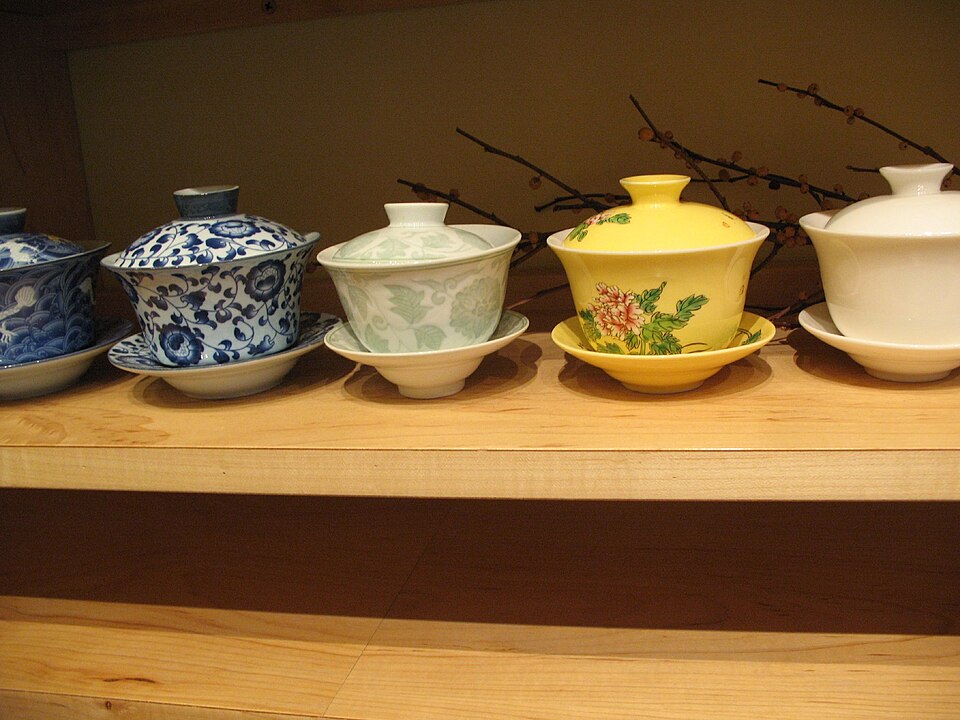
First up, what's a gaiwan? Think of it as a small, open bowl designed for brewing and tasting tea. It's not just for showing off your tea leaves; it's a tool that helps you appreciate the true character of different teas.
Why Start with a Gaiwan?
For beginners, a white-porcelain gaiwan is the way to go. It's affordable, versatile, and lets you experience tea exactly as it is. Here’s why:
- Price Range: You can find a good quality white-porcelain gaiwan for as little as $4-7. That's not bad, right? Your wallet will thank you.
- Versatility: A gaiwan works with almost any type of tea. Want to try green, oolong, white, black, or even pu-erh? A gaiwan can handle it all.
- No Flavor Absorption: Unlike some other teaware, white porcelain doesn't absorb flavors. This means no cross-taste between different teas. Each cup is a fresh experience.
- True Taste: Because it doesn't alter the tea's flavor, a gaiwan shows you the true taste of the tea. This is super helpful when you're learning to appreciate different varieties.
- Easy to Clean: After brewing, just rinse it out with hot water and you're done. No stubborn tea residue to worry about.
Gaiwan Pitfalls to Avoid
While gaiwans are great for beginners, there are a few things to keep in mind:
- Material: Stick to white porcelain. Avoid wood-fired, clay, or gilt-overglaze wares unless you know exactly what you're getting. They can impart unwanted flavors or be harder to clean.
- High-Fired Porcelain: Make sure it's high-fired (1200C+). This ensures durability and purity of flavor. Cheaper, low-fired porcelain might crack or affect the taste.
- Size: A 120ml standard size is perfect for beginners. It's large enough for a satisfying cup but small enough to handle easily.
- Rim and Knob: Look for a flared rim (it won't scorch your fingers) and a moderate knob for comfortable handling.
As someone who's been through the tea gear maze, I can tell you that a single, good quality gaiwan can take you far. In fact, as one expert puts it, 'The end of the gaiwan journey is just one gaiwan.' So, don't overthink it. One good gaiwan is all you need to start.
Moving to the Teapot: A Step Up in Tea Ritual
Once you're comfortable with a gaiwan and have a better understanding of different teas, you might want to explore the world of teapots. A teapot is a bit more traditional and can add a nice touch to your tea routine.
Why Consider a Teapot?
While a gaiwan is great for tasting and exploring, a teapot can enhance your tea experience in a few ways:
- Brewing Larger Quantities: If you like to drink tea with friends or family, a teapot allows you to brew multiple cups at once.
- Aesthetic Appeal: Teapots come in various shapes and sizes, adding a decorative element to your tea setup.
- Traditional Experience: For many, using a teapot feels more ritualistic and connected to the history of tea drinking.
Zisha Teapots: The Art of Absorption
One popular type of teapot is the zisha teapot, made from Yixing clay. These are beautiful and have a unique way of interacting with tea:
- Dual-Porosity Wall: Zisha clay has a dual-porosity wall, meaning it can absorb some of the tea's flavor. This is great for building up a "pot character" over time, but it means you can't just throw any tea in there.
- One-Pot-One-Tea: Because of the absorption, zisha teapots are best used for one type of tea at a time. Want to switch from green tea to pu-erh? You'll need a clean pot for each.
- Steep Learning Curve: Zisha teapots require a bit of care and understanding. They can be sensitive to water temperature and type, and need proper cleaning to prevent mold growth.
Zisha Pitfalls to Watch Out For
If you're considering a zisha teapot, here are some pitfalls to avoid:
- Fake Handmade Pots: Don't fall for sub-$15 'fully handmade' zisha teapots. Most of them are machine-pressed fakes. Stick to reputable brands and artisans.
- Marketing Hype: Be wary of 'millennium-old clay' claims. These are often just marketing gimmicks. Look for Huanglongshan original-ore clay for authentic quality.
- Classic Shapes: Shapes like Shihao and Yuni are classic choices that rarely go wrong. They're well-proportioned and versatile.
- Titles and Certs: A title or certification can be helpful, but it's not a substitute for good clay and craftsmanship. Do your research and buy from trusted sources.
Remember, a zisha teapot is a step up from a gaiwan. It's not something you need to rush into. Start with a gaiwan, explore different teas, and when you're ready, you can consider investing in a zisha teapot.
Setting Up Your Beginner's Tea Station on a Budget
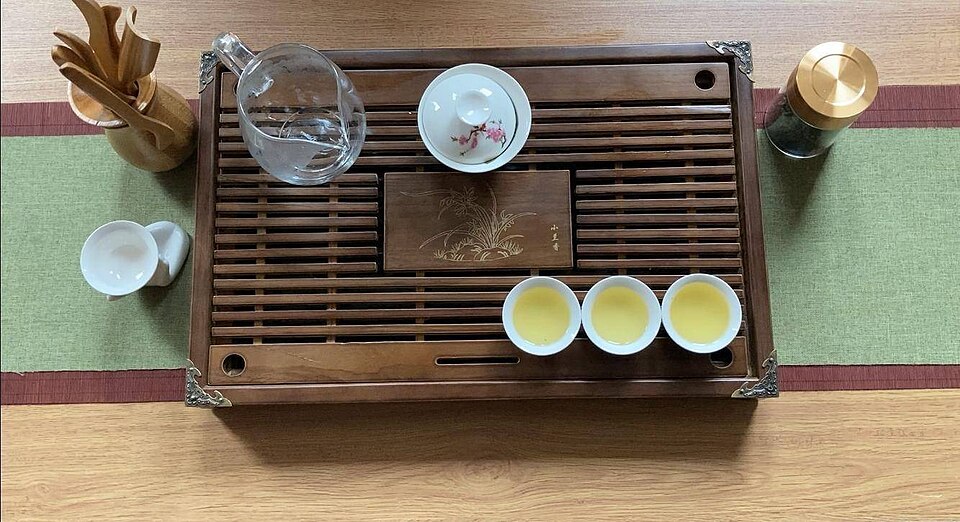
Now that you know more about gaiwans and teapots, let's talk about setting up your tea station without spending a fortune. Here’s a budget-friendly 4-piece set that will get you started:
- Kettle: Reuse your home electric kettle. You don't need anything fancy for now.
- White-Porcelain Gaiwan: A 120ml gaiwan is perfect. Look for the features mentioned earlier: high-fired porcelain, flared rim, and moderate knob. Price range: $4-7.
- Glass Fairness Pitcher: This is a great addition because it ensures everyone gets the same amount of tea. A 150-250ml size is slightly bigger than the gaiwan, making it easy to serve. Price range: around $10-15.
- Thin White-Porcelain Tasting Cups: These are essential for appreciating the nuances of different teas. Make sure the inner wall is white so you can see the color of the liquor. Price range: $5-10.
Total Estimated Cost: ~$15
Yes, you read that right. For less than $20, you can set up a basic but functional tea station that will serve you well as you explore the world of tea.
Everyday Tea Recommendations from Big Brands
Once you have your gear, you'll want some good teas to go with it. Here are some blind-buy safe options from big brands that are great for beginners:
- Ripe Pu-erh: Dayi 7572 is a benchmark blend that's widely available and consistently good. Price range: $20-30 per 100g.
- Raw Pu-erh: Xiaguan Tuocha and Xiaguan 8653 are great entry-level options. They offer a nice balance of bitterness and sweetness. Price range: $25-35 per 100g.
- Longjing Green: Gongpai and Luzhenghao are excellent choices. Pre-Qingming Longjing is known for its fresh, fragrant aroma (face), while pre-rain Longjing is fuller and more substantial (substance). Price range: $30-40 per 100g.
- Jasmine: Zhangyiyuan, Wuyutai, and Houwang are reliable brands for jasmine tea. It's affordable and always fragrant. Price range: $15-25 per 100g.
- White Tea: Pinpinxiang, Greenleaves, and Green Snow Bud Six Wonderful are great starting points. Shoumei is a good choice for beginners. Price range: $25-35 per 100g.
- Black Tea: Keemun is a classic with a mellow honey aroma. It's versatile and easy to enjoy. Price range: $20-30 per 100g.
- Oolong: Bama Tieguanyin and Fengshan Tieguanyin are great for beginners. Xigua Wuyi Star and Wuyi Tianchi (Phoenix Dancong) offer different flavors. Price range: $30-40 per 100g.
Navigating the Pu-erh Trend
Pu-erh is a popular category, especially among younger tea drinkers. Here’s what you need to know about the current trend:
The New Wave of Pu-erh
- Fully Feminized & Youthful: The trend leans towards ripe pu-erh, often in small, portable formats like dragons, mini cakes, sachets, and cold brew options.
- Flavored Varieties: Tangerine-peel pu-erh, rose pu-erh, and jasmine pu-erh are in vogue.
- Price Range: These trendy pu-erhs typically cost between $14-42 per piece.
- Marketing Buzzwords: You’ll hear terms like "cut-grease," "de-bloat," "stomach-soothing," "sleep-aid," "low-cal," and "warm." These are the words to look for.
- BANNED Words: Be aware that words like "weight-loss," "cure," "lower 3-highs," "ancient-tree," "Lao Banzhang," and "collectible appreciation" are often removed by platforms like Xiaohongshu due to distrust.
Tangerine-Peel Ripe Pu-erh Wellness Recipe
If you want to try a wellness-focused pu-erh, here’s a simple recipe:
1. Ingredients: 1 small piece of dried tangerine peel + 3g ripe pu-erh.
2. Brewing: Use 95°C water.
3. Timing: Drink 30 minutes after meals.
4. Benefits: This combination is believed to have mild dehumidifying effects, making it a good choice for desk sitters.
Avoiding Fragile-Wellness Tea Pitfalls
While wellness teas are popular, some claims are misleading or even harmful. Here’s what to watch out for:
- Stay-Up Rescue Tea: These teas often contain high levels of caffeine to force wakefulness. This can be harmful to your body in the long run.
- Detox Tea: Many "detox" teas contain laxatives, which can strain your spleen and stomach. It’s better to support your body naturally.
- Qi-Blood Tonic Tea: Random combinations of ingredients like red-date black tea or red-date longan tea aren't necessarily effective. It’s better to follow traditional recipes based on your body type.
Four Constitution Recipes
If you’re interested in traditional Chinese medicine, here are some general tea recommendations based on different constitutions:
- Fatigue: Goji chrysanthemum tea.
- Damp: Tangerine-peel ripe pu-erh.
- Qi-Blood Deficient: Red-date black tea.
- Sitting-Heat: Honeysuckle white tea.
White Tea: Starting with the Right Kind
White tea is beautiful and delicate, but there are some things to keep in mind:
- Start with NEW Shoumei: This is a great entry point into white tea. It’s fresh, fragrant, and not too expensive.
- Avoid '10-Year Old White Tea': There’s a heavy fake-aging zone in the white tea market. Stick to newly harvested teas to avoid disappointment.
Gifting Tea: Simple and Smart
When it comes to gifting tea, simplicity is often the best approach:
- Gaiwan as a Gift: A gaiwan is a great gift for anyone interested in tea. It’s affordable and allows them to explore different teas on their own. Plus, it’s a great way for them to judge the quality of tea they receive.
- Teapot as a Gift: If you want to give a teapot, invest in good clay and craftsmanship. Make sure you can explain the value to the recipient. Classic shapes like Shihao and Yuni are always a safe bet.
Wrap-Up / Bottom Line
So, whether you choose a gaiwan or a teapot, remember that expensive doesn't always mean better. Start with a simple, affordable gai
Same items on Amazon (40)
Titles and prices are quoted exactly as Amazon lists them (Amazon's own wording, not translated). Prices checked 2026-10-29 and can change on their end.