# Gaiwan Cleaning and Care: How to Avoid Cracks, Stains and Soap Taste
The gaiwan, with its unique combination of form and function, is a staple in many tea-drinking traditions. It’s designed for the delicate task of brewing and steeping small amounts of tea leaves, offering a controlled environment that highlights the nuances of the brew. But like any cherished kitchen tool, especially one made from fine materials, maintaining a gaiwan requires a bit of know-how. Without the right care, you might find your prized piece developing unsightly stains, lingering soap residue, or even cracking over time. This guide aims to help you understand what makes a gaiwan special and how to keep it in top condition for years to come.
Understanding the Gaiwan: Materials and Construction
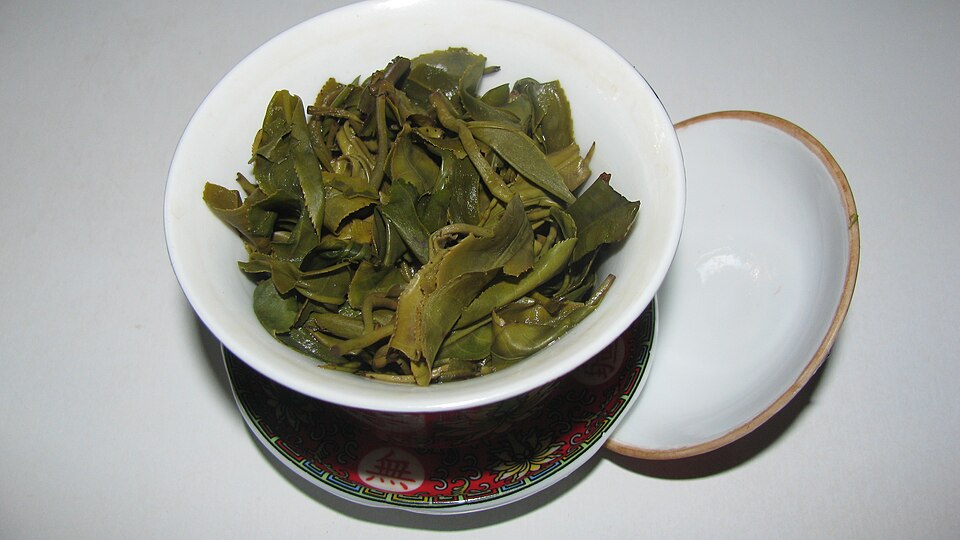
At its core, a gaiwan is a small, open-bowled tea container with a handle, typically used for steeping tea leaves directly in the cup before drinking or for serving. Most traditional gaiwans are made from porcelain or ceramic, though you’ll also find them in stoneware or even glass. The choice of material significantly impacts both the tea’s flavor and the piece’s durability.
Porcelain gaiwans are the most common, prized for their thin walls, light weight, and ability to retain heat well. This makes them excellent for brewing delicate teas like oolong or white tea, where temperature control is key. High-quality porcelain is also non-porous, which means it won’t absorb flavors or odors from past uses—a crucial feature for tea enthusiasts who enjoy a variety of brews.
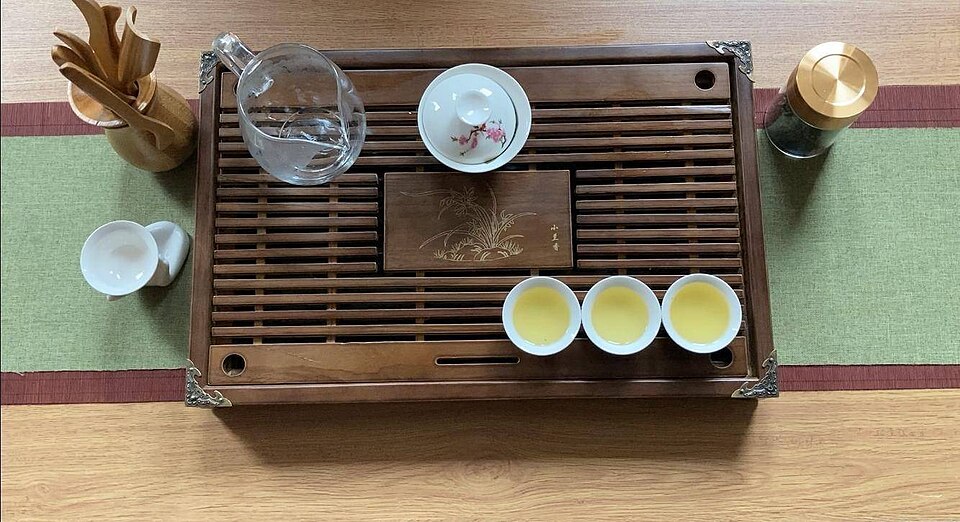
Stoneware gaiwans, on the other hand, tend to be thicker and denser. They often have a more rustic feel and can handle higher temperatures, making them suitable for robust teas like black or dark oolongs. However, their heavier build can make them less comfortable to hold, especially for smaller hands.
The handle design is another important consideration. Most gaiwans feature a loop handle, which is easy to grip and allows for a secure hold. Some designs incorporate a small shelf or lip around the rim to prevent tea leaves from spilling out when the gaiwan is tilted.
When shopping for a gaiwan, pay attention to the quality of the glaze. A well-applied, smooth glaze not only enhances the aesthetic appeal but also provides a non-stick surface, making cleaning easier. It also helps protect the porous nature of the underlying clay from stains and absorption.
Quality Signals: What to Look For
Investing in a good quality gaiwan is worthwhile, as it can enhance your tea drinking experience and, with proper care, last for decades. But how do you distinguish a well-made piece from a budget option? Here are some key signals to look for:
1. Weight and Feel: A high-quality gaiwan should feel balanced and sturdy in your hand. It shouldn’t be too light or flimsy, nor should it be so heavy that it’s cumbersome. The weight can vary depending on the material, but a well-crafted piece will feel just right.
2. Glaze Quality: The glaze should be smooth, even, and free of imperfections. It should adhere uniformly to the ceramic, without chips, cracks, or bubbles. A good glaze will also be non-porous, which is essential for preventing stains and maintaining the purity of the tea’s flavor.
3. Wall Thickness: Thin walls are generally a sign of high-quality porcelain, as they allow for better heat retention and a more elegant aesthetic. However, the walls should be sturdy enough to handle regular use without bending or cracking.
4. Handle Design: The handle should be securely attached and comfortable to grip. It should be large enough to provide a good purchase without being too bulky. Some gaiwans come with a built-in filter, or you can purchase a separate tea strainer to fit most standard sizes.
5. Price Point: While price isn’t the only factor, most high-quality gaiwans sit somewhere between budget and mid-range. If a gaiwan seems excessively cheap, it’s likely made from lower-grade materials and may not withstand the rigors of daily use. On the other hand, an astronomical price doesn’t necessarily guarantee quality either; it’s all about finding a good balance.
Common Buyer Mistakes to Avoid
Many tea enthusiasts make mistakes when caring for their gaiwans, often leading to premature wear or damage. Here are some of the most common pitfalls:
1. Using Abrasive Cleaners: One of the biggest mistakes is using harsh or abrasive cleaners on your gaiwan. These can scratch the glaze, making it easier for stains to set in. Always opt for soft, gentle cleaning methods.
2. Leaving Tea Residue to Dry: Tea leaves left to sit in a gaiwan for too long can leave behind stains and a lingering flavor. After each use, it’s best to rinse the gaiwan thoroughly with hot water and a soft brush.
3. Overheating the Gaiwan: While some gaiwans are designed to handle high temperatures, others may crack if exposed to extreme heat. Always check the manufacturer’s guidelines, but as a general rule, it’s safer to err on the side of caution.
4. Storing Tea Leaves in the Gaiwan: Some people store leftover tea leaves in their gaiwan, but this is not recommended. The leaves can absorb flavors and odors from other foods in your kitchen, compromising the quality of your tea.
5. Ignoring Minor Chips or Cracks: Small chips or cracks might seem insignificant at first, but they can worsen over time and lead to more serious damage. It’s best to address any minor imperfections promptly.
Care and Cleaning: Keeping Your Gaiwan in Prime Condition
Proper care and cleaning are essential to maintaining the integrity of your gaiwan. Here’s a step-by-step guide to ensure your piece remains in top condition:
1. Rinse Thoroughly After Use: After each use, rinse the gaiwan with hot water to remove any remaining tea leaves. If there are stubborn bits, gently scrub with a soft brush or bamboo fibre scrubber. Avoid using metal scrubbers, as they can scratch the glaze.
2. Avoid Soaking: While it’s okay to rinse your gaiwan with hot water, avoid soaking it in water for extended periods. This can cause the clay to expand and contract, potentially leading to cracks.
3. Hand Wash Only: Most gaiwans are not dishwasher safe. The high heat and harsh chemicals in dishwashers can damage the glaze and the underlying clay. Always hand wash your gaiwan with gentle dish soap and warm water.
4. Dry Immediately: After washing, dry your gaiwan thoroughly with a soft cloth. Make sure to remove all moisture from the inside, as residual water can lead to mold or mildew growth.
5. Store Properly: When not in use, store your gaiwan in a dry, cool place. Avoid stacking gaiwans directly on top of each other, as this can cause chips or cracks. Instead, use a dedicated tea storage container or wrap each piece individually in a soft cloth.
Who It Suits: Ideal Users and Use Cases
A gaiwan is an excellent choice for anyone who enjoys the art of tea drinking. Here are some ideal users and use cases:
1. Tea Enthusiasts: If you’re serious about tea, a gaiwan is a must-have. It allows you to experience the full range of flavors and aromas in a tea, making your brewing process more enjoyable and precise.
2. Home Cooks and Bakers: Gaiwans can also be used for other small-batch cooking tasks, such as steeping herbs or infusing oils. Their versatile design makes them suitable for a variety of culinary applications.
3. Gift Givers: A gaiwan makes an excellent gift for anyone who appreciates fine tea or kitchenware. It’s a thoughtful and practical present that can be enjoyed for years to come.
4. Travelers: For the tea drinker on the go, a small, lightweight gaiwan can be a great companion. It allows you to brew and enjoy tea wherever you are, without taking up too much space in your luggage.
Gift-Worthiness: Making a Memorable Present
A gaiwan is not only a practical tool but also a beautiful piece of kitchenware that can make a memorable gift. Here’s why it’s such a great present for tea lovers:
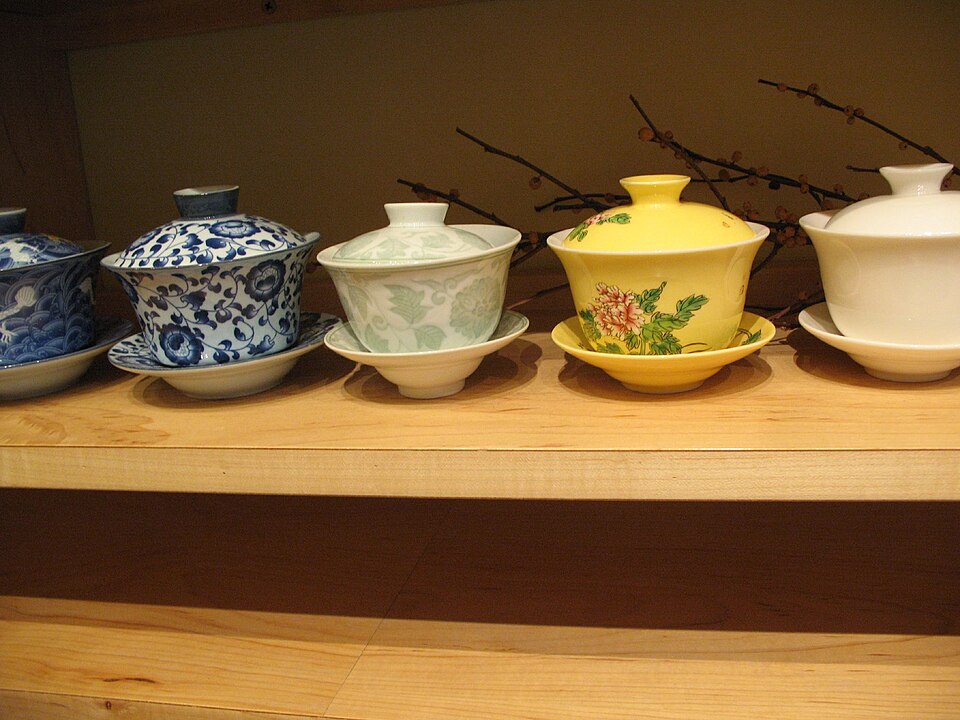
1. Elegance and Aesthetics: Gaiwans come in a variety of shapes, sizes, and designs, making them visually appealing and suitable for display. A beautifully crafted gaiwan can enhance the aesthetic of any kitchen or tea room.
2. Cultural Significance: The gaiwan has a rich cultural history and is deeply associated with traditional tea ceremonies. Giving a gaiwan can be a way to share this cultural heritage with someone special.
3. Practicality: While it’s a beautiful piece, a gaiwan is also highly functional. It serves a practical purpose in the kitchen, making it a thoughtful and useful gift.
4. Versatility: A gaiwan can be used for a variety of teas, making it a versatile gift that can be enjoyed in multiple ways. Whether the recipient prefers green, black, or herbal teas, a gaiwan can enhance their tea-drinking experience.
5. Longevity: With proper care, a gaiwan can last for decades. This makes it a gift that keeps on giving, providing enjoyment for years to come.
Bottom Line
Caring for a gaiwan is straightforward but requires attention to detail. By choosing a high-quality piece made from durable materials, using gentle cleaning methods, and storing it properly, you can ensure your gaiwan remains in excellent condition for years to come. Whether you’re a seasoned tea enthusiast or just starting your journey, a well-maintained gaiwan can enhance your tea drinking experience and become a cherished part of your kitchen collection.
What to Check Before You Buy
- Material and construction: Ensure the gaiwan is made from high-quality porcelain or ceramic with a smooth, even glaze.
- Handle design: Look for a comfortable, securely attached handle that’s easy to grip.
- Size and fit: Consider the size of the gaiwan based on your brewing needs and how it will fit in your kitchen.
- Price point: While price isn’t the only factor, ensure you’re getting good value for your money without overpaying for unnecessary features.
Same items on Amazon (40)
Titles and prices are quoted exactly as Amazon lists them (Amazon's own wording, not translated). Prices checked 2026-10-29 and can change on their end.