# Flared Rim vs Straight Rim Gaiwan: Which One Won't Burn Your Fingers?
Choosing the right gaiwan is a matter of personal preference, but few things are as important as ensuring your hands stay safe while enjoying your tea. The primary difference between flared rim and straight rim gaiwans lies in their design, which affects both aesthetics and practicality. This guide will help you understand the pros and cons of each style, so you can select a gaiwan that suits your needs without risking a scorch.
The Basics: What Are Flared and Straight Rim Gaiwans?
A gaiwan is a traditional Chinese teapot-like vessel, often used for brewing loose-leaf tea. The two main rim styles are flared and straight, each with distinct characteristics that appeal to different users.
Flared Rim Gaiwans have outward-sloping sides, creating a wider opening at the top. This design is not only visually striking but also offers practical advantages, such as easier pouring and better heat distribution. The flared shape can also help prevent tea leaves from spilling over the edge.
Straight Rim Gaiwans have a uniform width from top to bottom, giving them a more classic, understated appearance. While they may not pour as effortlessly as flared-rim models, they are still highly functional and beloved by many tea enthusiasts.
Practical Considerations: Safety and Handling
One of the most significant concerns when choosing a gaiwan is safety, particularly the risk of burning your fingers. Both flared and straight rim gaiwans can get hot, but their designs influence how easily they transfer heat to your hands.
Flared Rim Gaiwans are generally easier to grip securely due to their wider opening. This can make them safer to hold, especially when the gaiwan is hot. The sloping sides allow you to cup the vessel more comfortably, reducing the likelihood of accidental burns. However, if the handle is not properly designed, the gaiwan can still feel hot when held.
Straight Rim Gaiwans require more careful handling. Their narrower opening can make them less stable in the hand, increasing the risk of slipping and burning your fingers. To mitigate this, many straight rim gaiwans come with ergonomic handles, which can significantly improve safety.
Materials and Construction: Durability and Aesthetics
The material and construction of a gaiwan play a crucial role in its performance and longevity. Most gaiwans are made from porcelain, clay, or ceramic, each offering different benefits.
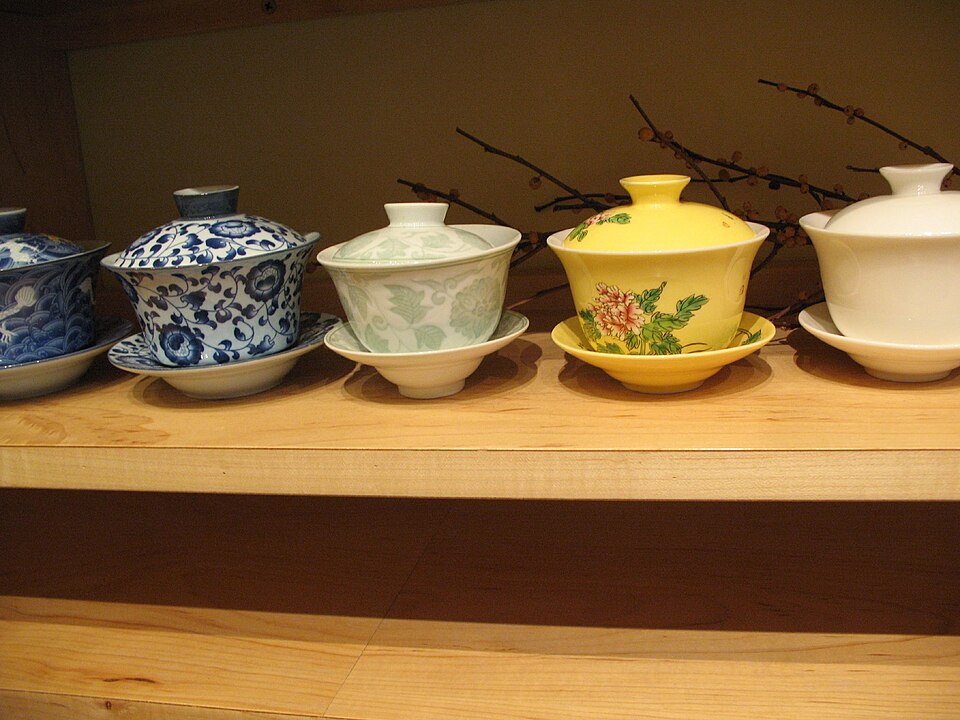
Porcelain Gaiwans are prized for their thin walls, which allow for better heat retention and even brewing. They are also highly durable and resistant to chipping. Flared rim porcelain gaiwans can look particularly elegant due to their curves, while straight rim models offer a more minimalist aesthetic.
Clay or Ceramic Gaiwans are often more affordable and can absorb tea flavors, which some tea enthusiasts prefer. However, they tend to be thicker and less heat-resistant than porcelain. Flared rim clay gaiwans can be robust and rustic, while straight rim models may feel more traditional and grounded.
The quality of craftsmanship is also essential. Look for gaiwans with smooth, well-finished surfaces and sturdy handles. A well-made gaiwan will not only perform better but also last longer, making it a worthwhile investment.
Sizing and Compatibility: Finding the Right Fit
The size of your gaiwan is another important factor to consider. Gaiwans come in various capacities, typically ranging from small (around 100 ml) to large (up to 300 ml). The right size depends on your brewing habits and the type of tea you enjoy.
Flared Rim Gaiwans are available in a wide range of sizes. Their design can accommodate both small and large volumes of tea, making them versatile for different brewing preferences. Larger flared rim gaiwans are particularly useful for preparing multiple servings of tea.
Straight Rim Gaiwans are often available in smaller sizes, making them ideal for single servings or more delicate teas. While larger straight rim gaiwans exist, they may not be as common as their flared counterparts. When choosing a straight rim gaiwan, ensure it is comfortable to hold, even when filled to capacity.
Compatibility with other teaware is also worth considering. If you plan to use your gaiwan with a teapot, ensure the sizes and shapes are complementary. Flared rim gaiwans can pair well with broader teapots, while straight rim models may suit narrower, more traditional teapots.
Common Buyer Mistakes to Avoid
When purchasing a gaiwan, it's easy to fall into certain traps that can lead to dissatisfaction. Here are some common mistakes to avoid:
1. Neglecting the Handle: A poorly designed handle can make a gaiwan uncomfortable or unsafe to hold. Always inspect the handle for ergonomics and stability before purchasing.
2. Overlooking Material Quality: Cheaper gaiwans may be more prone to cracking or chipping. Invest in a higher-quality model if you plan to use it frequently.
3. Ignoring Size and Capacity: A gaiwan that is too small or too large for your needs can be frustrating to use. Measure your tea leaves and brewing preferences before making a decision.
4. Focusing Only on Aesthetics: While appearance is important, functionality should not be compromised. Choose a gaiwan that balances both form and practicality.
Care and Cleaning: Maintaining Your Gaiwan
Proper care is essential to keep your gaiwan in good condition. Most gaiwans are dishwasher-safe, but handwashing is generally recommended to preserve their quality. Here are some tips for cleaning your gaiwan:
- Rinse Thoroughly: After each use, rinse the gaiwan with hot water to remove any remaining tea residue.
- Avoid Abrasive Cleaners: Use mild soap and a soft brush to clean the interior and exterior. Avoid scrubbing too hard, as this can damage the surface.
- Dry Properly: Allow the gaiwan to air dry upside down on a drying rack. This prevents moisture from accumulating and causing stains or cracks.
- Season Regularly: To maintain the quality of your gaiwan, season it with a small amount of oil or tea leaves occasionally. This helps protect the surface and enhances the flavor of your tea.
Who Should Choose Which Style?
Ultimately, the choice between a flared rim and a straight rim gaiwan comes down to personal preference and practical needs. Here's who might prefer each style:
Flared Rim Gaiwans are ideal for those who prioritize ease of use and safety. Their design makes them comfortable to hold and pour, making them a great choice for beginners or anyone who values convenience. If you enjoy preparing larger servings of tea or prefer a more modern aesthetic, a flared rim gaiwan might be the right choice.
Straight Rim Gaiwans suit those who appreciate traditional designs and have specific brewing preferences. If you enjoy delicate teas or prefer a minimalist approach to tea preparation, a straight rim gaiwan can be a perfect fit. Their classic appearance also makes them a great gift option for tea enthusiasts.
Gift-Worthiness: Making a Thoughtful Choice
Both flared rim and straight rim gaiwans make excellent gifts, but the best choice depends on the recipient's preferences. If you're unsure, consider the following:
- Aesthetic Preferences: Some people prefer the elegance of a straight rim gaiwan, while others appreciate the modern look of a flared rim model.
- Practical Needs: If the recipient is new to tea brewing, a flared rim gaiwan might be more user-friendly. For experienced tea enthusiasts, a straight rim gaiwan could be a more sophisticated choice.
- Quality Signals: Look for gaiwans made from high-quality porcelain or ceramic, with well-designed handles and smooth finishes. These features indicate good craftsmanship and make for a more memorable gift.
Bottom Line
Choosing between a flared rim and a straight rim gaiwan comes down to balancing safety, functionality, and aesthetics. Flared rim gaiwans offer easier pouring and improved heat distribution, making them a practical choice for many users. Straight rim gaiwans, on the other hand, provide a classic aesthetic and are well-suited for specific brewing preferences. By considering the factors outlined in this guide, you can select a gaiwan that meets your needs and enhances your tea drinking experience.
What to Check Before You Buy
- Handle Safety: Ensure the handle is ergonomically designed and secure.
- Material Quality: Look for gaiwans made from porcelain or high-quality ceramic.
- Size and Capacity: Choose a gaiwan that suits your brewing habits and tea preferences.
- Ease of Cleaning: Opt for a gaiwan that is simple to clean and maintain.
- Aesthetic Appeal: Select a design that matches your personal style and intended use.
- Price and Value: Consider the cost relative to the quality and features of the gaiwan.
Same items on Amazon (40)
Titles and prices are quoted exactly as Amazon lists them (Amazon's own wording, not translated). Prices checked 2026-10-29 and can change on their end.