# Everyday Tea Brands You Can Blind-Buy: Dayi 7572, Zhangyiyuan, Houwang and More
Hey there, tea newcomers and wellness seekers! So, you're dipping your toes into the vast world of tea, maybe want to save some cash along the way, and avoid all the hype and potential pitfalls? Great! Let's cut through the noise and talk about some everyday tea brands that are pretty reliable. These are brands you can generally blind-buy without spending too much, especially if you're just starting out. Think of this as your friendly guide to navigating the tea shop or online store without breaking the bank.
First things first, let's talk about getting set up with the right gear. You don't need a bunch of fancy stuff to start. The most important piece for beginners, especially, is a white-porcelain gaiwan. Why? Well, it’s affordable – you can find a decent one for around $4 to $7. Plus, it’s versatile; it works with almost any type of tea. It doesn’t absorb flavors like some other materials, so you won’t get that pesky cross-taste when moving between different teas. Plus, the white porcelain lets you really see the color of the tea liquor, which is part of the experience! It also heats up quickly and is super easy to clean. That’s the core of your setup right there.
Your Essential Beginner Teaware Set
Think about putting together a little starter kit. You really only need a few things:
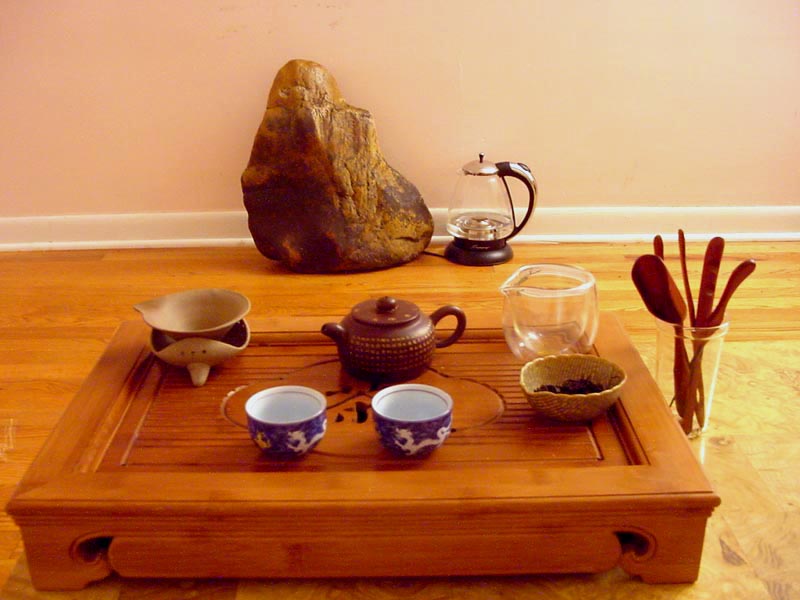
1. Kettle: Reuse the one you already have at home. Most people have an electric kettle, which works perfectly fine for brewing tea.
2. White-Porcelain Gaiwan: Get a 120ml one. This size is standard and not too big, making it great for learning. Look for one with a flared rim – it helps prevent your fingers from getting too hot – and a moderate-sized knob for easy handling. Keep the price around that $4-7 range.
3. Glass Fairness Pitcher: This is a simple but crucial vessel. It holds about 150-250ml, slightly larger than your gaiwan. Its clear glass allows you to easily divide the tea liquid evenly between the tasting cups. Choose one with a clean white interior; you need to see the color accurately.
4. Thin White-Porcelain Tasting Cups: Get a set of a few small cups. The key here is that the *inner wall* must be white. This helps you judge the color of the tea liquor without it being distorted by colored glazes.
All together, this basic set will run you about $15. Not bad for getting started, right? It gives you everything you need to properly steep and appreciate your tea.
Gaiwan Shopping Smart (and What to Avoid)
When picking out that gaiwan, there are a few things to keep in mind. First, stick with white porcelain. It’s the go-to for beginners because it’s cheap, neutral, and shows the tea’s true color. Avoid materials like wood-fired clay, simple clay, or gaiwans with gilt-overglaze finishes. They can be more expensive and don't offer the same benefits for learning.
Also, make sure it’s high-fired porcelain. Look for temperatures around 1200C or higher. This high firing makes the porcelain dense and non-porous, so it doesn’t absorb flavors from the tea, ensuring you taste what the tea itself is like. Remember, the gaiwan is often cited as the end goal for many tea journeys, but starting with a simple one is perfectly fine. It’s your tool to understand tea. So, 'The end of the gaiwan journey is just one gaiwan' – a humble beginning leads to great things.
Now, what about that other popular option, the Zisha (Yixing) teapot? It’s beautiful and has a unique character, but it’s generally recommended as an upgrade later, once you have a better understanding of tea. Zisha teapots have a dual-porosity, meaning their walls absorb and hold onto tea flavors. This is great for building a collection of teapots, each dedicated to a specific type of tea, but it’s a bit complex for a beginner. Plus, there’s a lot of misinformation out there about handmade vs. machine-pressed pots and the quality of the clay. It’s an investment worth making down the line, not at the very start.
And speaking of pitfalls with Zisha, here are the key things to watch out for: Avoid any 'fully handmade' teapot that costs less than $15. Chances are, it’s mostly machine-pressed and marketed falsely. Don't fall for the 'millennium-old clay' hype; that’s often just marketing jargon. If you decide to get into Zisha, try to find pots made from Huanglongshan original-ore clay. Shapes like Shihao (classic shapes) or Yuni are generally safe bets and less likely to go wrong. And remember, a title or certificate is just a label – it doesn’t automatically guarantee quality. The clay and the craftsmanship are what truly matter.
Everyday Tea Brands You Can Count On
Okay, now for the main event: the tea brands. The good news is, there are several big names out there that offer consistently good quality at accessible price points. These are brands you can often buy without doing too much research, perfect for that blind-buy approach.
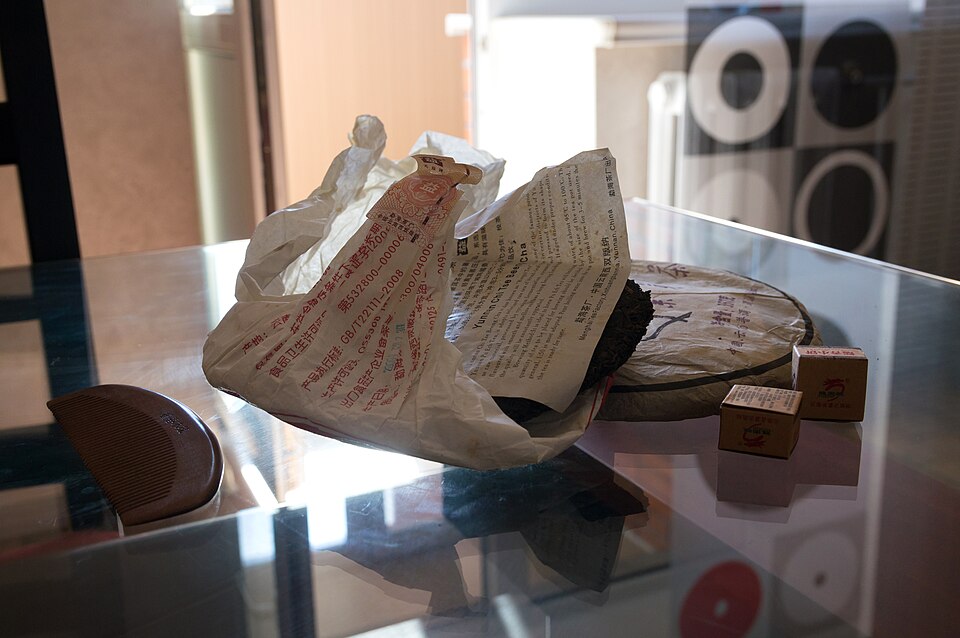
Ripe Pu-erh: For a benchmark blend of ripe pu-erh, Dayi 7572 is often cited. It’s a reliable choice that gives you a good idea of what ripe pu-erh typically tastes like. It’s a solid starting point, not too expensive, and generally well-regarded.
If you’re interested in exploring raw (sheng) pu-erh, Xiaguan Tuocha and Xiaguan 8653 are entry-level options. They provide a taste of raw pu-erh without breaking the bank. Just be aware that raw pu-erh can have a more complex flavor profile and might take some getting used to.
Longjing (Dragon Well) Green Tea: When it comes to Longjing, Gongpai and Luzhenghao are popular names. If you buy tea labeled 'pre-Qingming' from these brands, it often refers to the 'face' of the tea – the earlier harvests which are generally more fragrant. 'Pre-rain' Longjing, which comes after Qingming, is often described as having a richer, more substantial body. Again, these brands offer reliable quality for everyday drinking.
Jasmine Tea: This is a great category for finding affordable, delicious tea. Look for brands like Zhangyiyuan, Wuyutai, and Houwang. You can usually find good jasmine teas from these brands for around a dollar or two per bag. They often offer a lovely, fragrant cup that’s perfect for everyday enjoyment. Plus, you can even try making cold-brew jasmine tea – it’s a whole different experience with a gentle, smooth flavor.
White Tea: For white tea beginners, starting with shoumei (lightly roasted white tea) is often recommended. It’s mellow and approachable. Brands like Pinpinxiang, Greenleaves, and Green Snow Bud Six Wonderful are good places to look. Avoid getting too caught up in the '10-year old white tea' trend – that’s a heavy fake-aging zone, and the tea often doesn’t taste any better for the age or the high price. Stick to reputable brands offering fresh shoumei for a more authentic experience.
Black Tea: If you're in the mood for black tea, Keemun is a classic. It typically has a mellow, honey-like aroma and flavor. It’s a versatile black tea that many people enjoy.
Oolong: Oolong is a vast category, but some reliable everyday brands include Bama or Fengshan for tieguanyin-style oolong, Xigua or Wuyi Star for rock oolong (like Wuyi mountain styles), and Tianchi for Phoenix Dancong (Phoenix Mountain oolong), which is known for its distinct 'duck-shit aroma' – a unique and characteristic flavor.
A quick tip: Drink the branded tea first before getting too hung up on mountain origins or specific cultivars. Get a feel for the general styles and qualities offered by these big brands before diving into the more niche and often more expensive teas from specific mountains.
Current Trends and What They Mean for You
You might see some tea trends popping up, especially on social media platforms like Xiaohongshu (Little Red Book). One big trend is fully feminized and youthful ripe pu-erh. This means the focus is heavily on ripe pu-erh blends, often in small, portable formats like mini cakes, dragon-shaped bricks, sachets, or even cold-brew versions. Prices for these trendier items can range from $14 to $42. The marketing often uses words like 'cut-grease,' 'de-bloat,' 'stomach-soothing,' 'sleep-aid,' 'low-cal,' and 'warm.' Be aware that platforms like Xiaohongshu have banned terms like 'weight-loss,' 'cure,' 'lower 3-highs,' 'ancient-tree,' 'Lao Banzhang,' and 'collectible appreciation,' so the allowed language is quite specific. This trend reflects a desire for tea that aligns with wellness goals in a convenient and often aesthetically pleasing way.
Another trend involves a 'sugar-free tea F4 system' that’s supposed to be coming into play around 2026. This system is based on four desirable qualities: Aroma (with layers of floral or fruity notes), Fresh (tender and brisk in the mouth), Mellow (a sweet aftertaste with a smooth, not thin, texture), and Clean (indicating clean ingredients and minimal astringency). While this system might not be set in stone yet, it highlights the kind of qualities people are looking for in their everyday teas – teas that are flavorful, refreshing, smooth, and free from harshness.
And speaking of specific recipes, there's one for tangerine-peel ripe pu-erh that’s been gaining traction for wellness purposes. It involves steeping about 1 small piece of dried tangerine peel with 3 grams of ripe pu-erh using 95°C water. The recommendation is to drink it about 30 minutes after meals, suggesting it might have some mild 'dehumidifying regulation' effects for those who sit at desks all day. It’s an interesting use case, showing how people are incorporating tea into their wellness routines.
Avoid These Fragile-Wellness Tea Pitfalls
While exploring tea is great, there are some popular wellness tea claims and products that are more hype than substance and can even be harmful. Be cautious of:
* Viral 'Stay-Up Rescue Tea': These often contain high levels of caffeine to force wakefulness. While a cup of tea can certainly help you feel more alert, relying on caffeine overload isn't great for your body in the long run.
* 'Detox Tea': These teas often contain laxatives, which might help you lose water weight temporarily. However, they can strain your digestive system and do nothing to remove toxins from your body – your liver and kidneys handle that. It’s not a sustainable or healthy way to 'detox.'
* 'Qi-Blood Tonic Tea': These are often random combinations like red dates and longans. While these ingredients can be part of a balanced diet, they don't necessarily create a specific 'qi-blood tonic.' Random combinations might not have the intended effects and could even cancel each other out.
Instead, consider more balanced approaches. For example, if you feel fatigue, a simple combination like goji chrysanthemum tea might be refreshing. If you suspect dampness (a concept in traditional Chinese medicine referring to a feeling of heaviness or mucus), tangerine-peel ripe pu-erh is often suggested. For qi-blood deficiency, some might recommend red-date black tea. And for sitting-heat (a feeling of heat due to prolonged sitting), honeysuckle white tea could be a good choice. These are just examples, and it’s always a good idea to listen to your body and consult with a healthcare professional if you have specific health concerns.
White Tea Tips: Start with Shoumei
If you’re interested in white tea, remember to start with NEW shoumei. Shoumei is a lightly roasted white tea, and new shoumei offers the best flavor profile. Be wary of teas labeled as '10-year old white tea,' as this is often part of a heavy fake-aging trend. The aging process can make white tea overly dark, bitter, and lose its delicate character. Stick with fresh, new shoumei from reputable brands for the best experience.
Gifting
Same items on Amazon (40)
Titles and prices are quoted exactly as Amazon lists them (Amazon's own wording, not translated). Prices checked 2026-10-29 and can change on their end.