# Dayi 7572 Explained: Why This Ripe Pu-erh Is the Benchmark Blend
If you’re just dipping your toes into the world of tea, you’ve probably heard about Pu-erh. It’s one of those terms that sounds fancy but feels a bit intimidating—until you realize it’s just tea, but with a twist. And when it comes to ripe Pu-erh, there’s one blend that’s like the gold standard for beginners: Dayi 7572.
But what makes it stand out? And how can you make sure you’re not spending too much without getting overwhelmed? Let’s break it down so you can feel confident buying your first (or next) Pu-erh without wasting money or ending up with a dud.
What Exactly Is Dayi 7572?
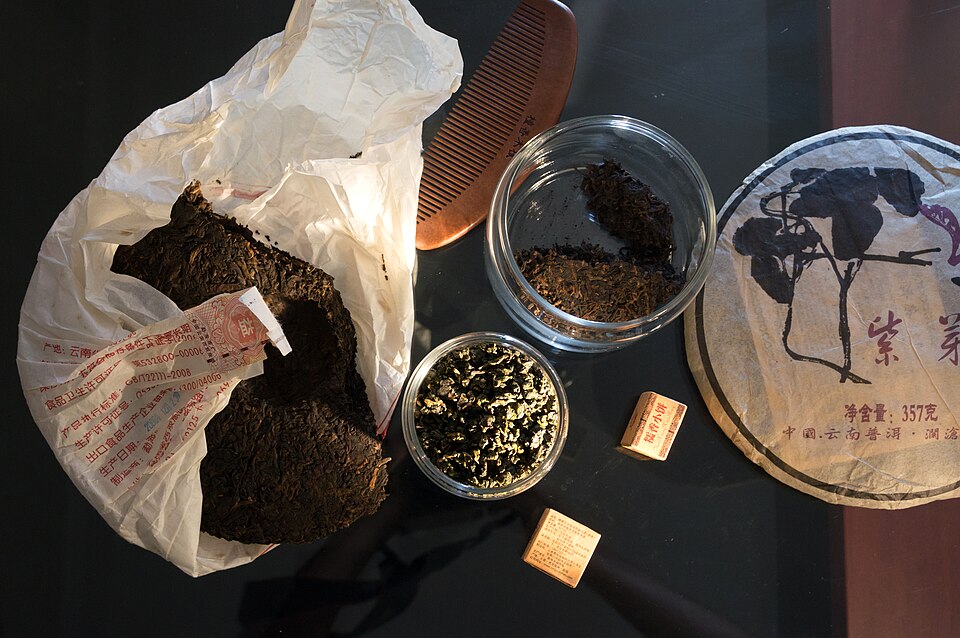
Before we dive in, let’s get one thing straight: Dayi 7572 isn’t a single tea from one mountain. It’s a blend produced by the Dayi Tea Factory in Lincang, Yunnan. The number 7572 likely refers to the batch number or a specific recipe the factory uses. The key thing to know is that this blend is famous for being a smooth, accessible entry point into ripe Pu-erh.
Ripe Pu-erh is post-fermented tea, meaning it’s aged under controlled conditions to develop a unique, earthy, and often sweet flavor profile. Unlike raw Pu-erh, which can be bitter and astringent for beginners, ripe Pu-erh is known for being mellow and easy on the palate. Dayi 7572 is no exception—it’s designed to be approachable.
Why Dayi 7572 Is a Good Starting Point
For beginners, finding a reliable tea that doesn’t break the bank is crucial. Dayi 7572 fits the bill perfectly. Here’s why:
1. Smooth and Approachable Flavor
Ripe Pu-erh can range from sweet and fruity to dark and woody, but Dayi 7572 strikes a balance. It’s usually described as earthy with hints of sweetness and sometimes a faint aroma of nuts or fruit. It’s not overpowering, so it’s easy to enjoy without feeling overwhelmed.
2. Consistency
Unlike some teas where every batch can vary wildly, Dayi 7572 is known for being consistent. If you like the first cup, you can trust the next one will be similar. This is especially important for beginners who are still figuring out what they like.
3. Affordable
Dayi 7572 is typically priced between $14 and $42 per piece, depending on the format (mini cakes, tea bricks, etc.). This is much more budget-friendly than many other Pu-erhs, especially those from prestigious mountains or with fancy branding.
4. Versatile
Ripe Pu-erh is great hot or iced, and Dayi 7572 is no exception. Its balanced flavor profile holds up well to both. Plus, as we’ll see later, it’s even great with additives like tangerine peel for a wellness boost.
Setting Up to Drink Pu-erh Like a Pro
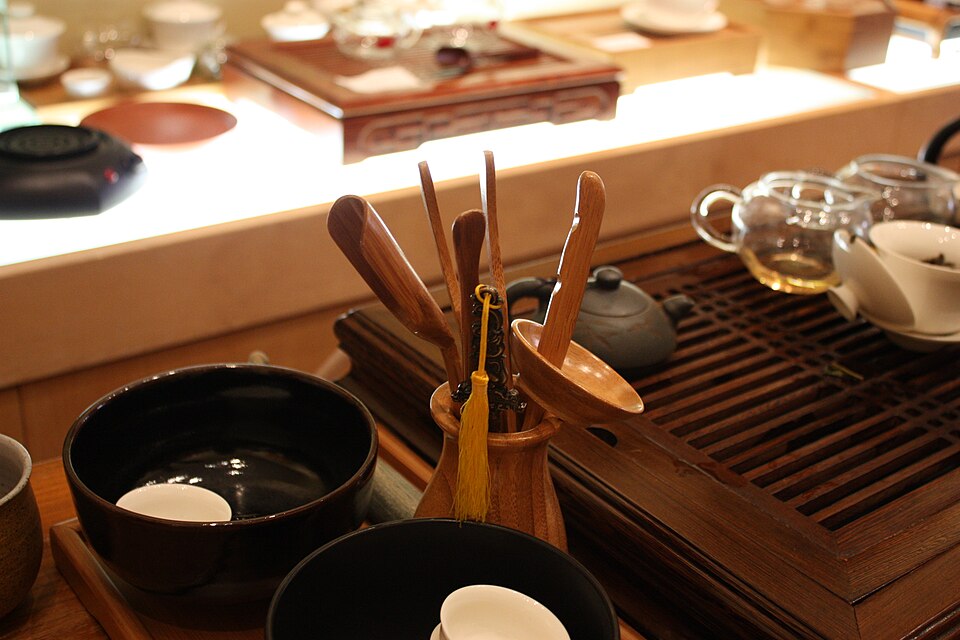
Before you buy Dayi 7572, you’ll need a few basic tools. Don’t worry—it doesn’t have to be expensive.
The Beginner’s Teaware Kit
- Kettle: Use whatever electric kettle you have at home.
- White-Porcelain Gaiwan (120ml): This is your go-to for most teas. It’s cheap ($4-7), doesn’t absorb flavor (so no cross-taste), and shows the true color of the tea. A flared rim and moderate knob are ideal—this won’t scorch your fingers. Avoid wood-fired, clay, or gilt-overglaze wares unless you know what you’re doing. High-fired porcelain (1200°C+) is best.
- Glass Fairness Pitcher (150-250ml): This helps distribute water evenly across the leaves. It should be slightly bigger than your gaiwan.
- Thin White-Porcelain Tasting Cups: The inner wall MUST be white so you can see the liquor color.
- Total Cost: Around $15 for the whole set. Not bad for a setup that works with any tea.
A Quick Note on Gaiwans vs. Zisha Teapots
If you’re wondering whether to start with a gaiwan or a zisha teapot, here’s the deal:
- Gaiwan: Your best friend as a beginner. It’s cheap, versatile, and doesn’t retain flavor. Think of it as your training wheels.
- Zisha Teapot: Once you’re comfortable with gaiwans, you might consider a zisha (Yixing) teapot. These are amazing but have a steeper learning curve. The clay absorbs flavor, so you need to stick to one-pot-one-tea, and there’s a risk of buying fakes (especially sub-$15 "fully handmade" ones). For now, stick with a gaiwan.
Steeping Dayi 7572 Like a Pro
Now that you have your gear, let’s talk about steeping. Ripe Pu-erh doesn’t require boiling water like some other teas.
- Water Temperature: Around 95°C (203°F). Don’t use boiling water—it can make the tea bitter.
- Steeping Time: Start with 10-15 seconds for the first rinse (just to wake up the leaves), then 20-30 seconds for subsequent steepings. Adjust based on how strong you like it.
Beyond Dayi 7572: Other Ripe Pu-erhs to Try
While Dayi 7572 is a great starting point, there are other affordable, beginner-friendly ripe Pu-erhs worth exploring:
- Xiaguan Tuocha: Another excellent entry-level option with a smooth, slightly sweet flavor.
- Xiaguan 8653: Similar to Tuocha but with a bit more body.
Both are produced by well-known brands and are typically priced similarly to Dayi 7572.
Avoiding Common Pitfalls
Tea is fun, but there are some traps beginners fall into. Here’s how to steer clear:
1. Fancy Marketing vs. Quality
Don’t fall for terms like "millennium-old clay" or "Lao Banzhang" (old tree). These are often just marketing gimmicks. Focus on brands with a reputation for consistency, like Dayi.
2. Viral "Superfoods" That Aren’t
Tea trends on platforms like Xiaohongshu can be misleading. Viral "stay-up rescue teas" might contain high caffeine and harm your body. "Detox teas" often contain laxatives that can strain your digestive system. Stick to natural, unprocessed teas like Dayi 7572.
3. Misleading Wellness Claims
While teas like tangerine-peel Pu-erh can offer mild benefits (like aiding digestion), don’t expect miracles. For example, the tangerine-peel recipe mentioned in the facts is great for desk sitters looking for a mild dehumidifying effect after meals. But it’s not a magic weight-loss solution.
Gifting Tea: What to Choose
If you’re buying tea for someone else, it’s safer to stick with well-known brands and simple formats. Here’s what to consider:
- For a Friend New to Tea: A gaiwan ($4-7) is an excellent gift. It’s practical, affordable, and shows the recipient how to judge tea quality.
- For a More Serious Tea Enthusiast: If you want to splurge, invest in a zisha teapot. But make sure it’s from a reputable source and comes with an explanation of how to use it. Avoid titles or certifications that sound too good to be true.
Wrap-Up / Bottom Line
Dayi 7572 is a fantastic entry point into ripe Pu-erh. It’s affordable, consistent, and easy to enjoy, making it perfect for beginners. Pair it with a simple gaiwan setup, and you’re good to go.
Remember, the key to enjoying tea without breaking the bank is to start simple, trust reliable brands, and avoid falling for flashy marketing. With Dayi 7572, you’ve got a benchmark blend that won’t disappoint. Happy steeping!
Same items on Amazon (15)
Titles and prices are quoted exactly as Amazon lists them (Amazon's own wording, not translated). Prices checked 2026-10-29 and can change on their end.