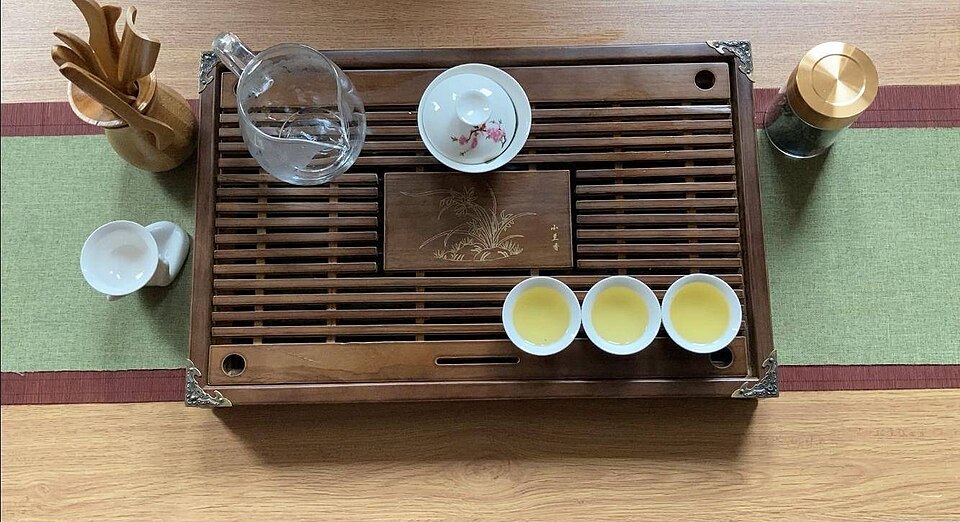
# Building a Tea Station on a Budget: Tray, Pitcher, Cups and Kettle
Hey there, welcome to the wonderful world of tea! If you're just dipping your toes in or looking to build a simple setup without breaking the bank, you're in the right place. Let's talk about putting together a basic tea station that won't cost you an arm and a leg. We'll focus on the essentials: a tray, a pitcher, some cups, and a kettle. And yes, we'll stick to verified facts to make sure you don't waste money on trendy nonsense.
Why Start Simple?
Before we dive into the specifics, let's talk about why starting simple is smart. As a beginner, you don't need a bunch of fancy gadgets to enjoy tea. In fact, the simpler your setup, the easier it is to learn and appreciate the flavors. Plus, you can always upgrade later once you know what you like. No need to spend money on things you might not even use.
The Essential 4-Piece Set
For a beginner, the most cost-effective way to get started is with a 4-piece set. This usually includes a kettle, a gaiwan, a glass fairness pitcher, and thin white-porcelain tasting cups. The whole set typically costs around $15, making it an affordable way to dip your toes in.
Kettle
You don't need to buy a special tea kettle just yet. Reuse one of your home electric kettles. It'll do the job just fine for now. Just make sure it's clean and doesn't have any weird residues from previous uses.
White-Porcelain Gaiwan
The gaiwan is a versatile and affordable way to start. A white-porcelain gaiwan is cheap, usually ranging from $4 to $7. Here's what to look for:
- Size: A 120ml gaiwan is standard and works well for most teas.
- Rim: Make sure it has a flared rim. This helps prevent scorching your fingers when handling the hot gaiwan.
- Knob: A moderate knob is ideal for handling.
- Material: White porcelain is the best choice because it absorbs no flavor, ensuring that your tea tastes pure. It also shows the truest color of the tea, which is important for beginners learning to appreciate different hues.
Avoid wood-fired, clay, and gilt-overglaze wares. These can be more expensive and might not be as practical for beginners. Also, make sure the porcelain is high-fired (1200C+). This ensures durability and prevents any unwanted flavors from seeping into your tea.
Glass Fairness Pitcher
The glass fairness pitcher is another essential. It's usually slightly bigger than the gaiwan, around 150-250ml. The reason for this is to ensure that the tea is poured evenly between the pitcher and the gaiwan. This helps maintain the correct steeping ratio and flavor consistency.
Thin White-Porcelain Tasting Cups
These cups are important because they have an inner wall that MUST be white. This allows you to see the color of the tea liquor, which is crucial for learning to appreciate different teas. The cups should be thin and delicate, allowing you to savor the flavors without any interference from the cup material.
Gaiwan Pitfalls to Avoid
While gaiwans are great for beginners, there are a few pitfalls to watch out for:
- Material: Stick with white porcelain. Avoid wood-fired, clay, and gilt-overglaze wares. They might look fancy, but they're not practical for daily use.
- Size: A 120ml gaiwan is the standard size. It's large enough to enjoy but small enough to handle easily.
- Rim: A flared rim is essential to prevent scorching your fingers.
- Knob: A moderate knob makes it easy to handle the gaiwan without dropping it.
And remember, high-fired porcelain (1200C+) is the way to go. It ensures durability and prevents any unwanted flavors from seeping into your tea.
Transitioning to Zisha (Yixing) Teapot
Once you're comfortable with the gaiwan, you might want to upgrade to a zisha (Yixing) teapot. However, this is a bigger investment, so it's important to do it right.
Why Choose Zisha?
Zisha teapots are renowned for their ability to enhance the flavors of certain teas. The dual-porosity wall of the clay absorbs and releases flavors, making each brew unique. However, this also means that you must stick to one type of tea per pot (one-pot-one-tea).
Zisha Pitfalls to Avoid
When buying a zisha teapot, there are a few pitfalls to watch out for:
- Price: Don't buy anything sub-$15. These are often machine-pressed fakes passed off as handmade. You want to invest in quality, not just a cheap piece of pottery.
- Marketing: Don't believe the hype about "millennium-old clay." This is often just marketing buzz. Instead, look for Huanglongshan original-ore clay, which is known for its superior quality.
- Shapes: Classic shapes like Shihao and Yuni are a safe bet. They are timeless and work well with a variety of teas.
- Titles/Certificates: A title or certificate is just a label. It doesn't substitute for good clay and craft. Make sure to inspect the teapot closely before buying.
Everyday Tea Recommendations
Now that you have your basic setup, let's talk about some everyday teas you can enjoy. These are blind-buy safe brands that are known for their quality and consistency.
- Ripe Pu-erh: Dayi 7572 is a benchmark blend that won't disappoint.
- Raw Pu-erh: Xiaguan Tuocha and Xiaguan 8653 are great entry points into the world of raw pu-erh.
- Longjing Green: Gongpai and Luzhenghao are excellent choices. Pre-Qingming teas are known for their "face" (bright and lively), while pre-rain teas are known for their "substance" (rich and full-bodied).
- Jasmine: Zhangyiyuan, Wuyutai, and Houwang are all great options. These teas usually cost around a buck or two per bag and can even be enjoyed cold-brewed.
- White Tea: Pinpinxiang, Greenleaves, and Green Snow Bud Six Wonderful are great starting points. Shoumei is a good variety to begin with.
- Black Tea: Keemun is a classic choice known for its mellow honey aroma.
- Oolong: Bama and Fengshan are great for tieguanyin. Xigua and Wuyi Star are excellent for rock tea. Tianchi is a Phoenix Dancong variety, known for its unique "duck-shit aroma."
Drink these branded teas first before you start worrying about mountain origins and other fancy terms. It's important to build a foundation with reliable brands before you start exploring more niche options.
Current Trends and Wellness Tea Pitfalls
Pu-erh Trend (Xiaohongshu)
If you're keeping up with social media, you might have noticed the rise of fully feminized and youthful ripe pu-erh. These come in small portable formats like dragons, mini cakes, sachets, and cold brews. Prices range from $14 to $42. The marketing buzzwords include "cut-grease," "de-bloat," "stomach-soothing," "sleep-aid," "low-cal," and "warm." However, be aware that platforms like Xiaohongshu distrust words like "weight-loss," "cure," "lower 3-highs," "ancient-tree," "Lao Banzhang," and "collectible appreciation."
Sugar-Free Tea F4 System (2026 Trend)
The F4 system is a framework for evaluating tea based on four criteria: Aroma, Freshness, Mellowness, and Cleanliness. This system is designed to help tea drinkers appreciate the complexities of different teas.
Tangerine-Peel Ripe Pu-erh Wellness Recipe
For those interested in wellness, tangerine-peel ripe pu-erh is a great option. Here's a simple recipe: Take 1 small piece of dried tangerine peel and 3g of ripe pu-erh. Brew with 95C water and drink 30 minutes after meals. This is said to help with mild dehumidifying regulation for desk sitters.
Fragile-Wellness Tea Pitfalls
While wellness teas can be great, there are a few pitfalls to watch out for:
- Stay-Up Rescue Tea: These teas are loaded with caffeine and might help you stay awake, but they're not good for your body in the long run.
- Detox Tea: These teas often contain laxatives, which can harm your spleen and stomach.
- Qi-Blood Tonic Tea: Random combinations of red dates and longans don't necessarily provide the benefits claimed. It's better to stick to well-known recipes.
White Tea Tips
When it comes to white tea, it's best to start with NEW shoumei. Avoid "10-year-old white tea" as this is often a heavy fake-aging zone.
Gifting Tips
If you're looking to give tea as a gift, a gaiwan is a great choice. It's not only a practical gift but also a way for the recipient to judge the quality of tea they buy in the future. As for pots, it's better to invest a bit more money into clay and craft that can be clearly explained. This ensures that the recipient gets a quality piece that they can appreciate.
Wrap-Up / Bottom Line
Building a tea station on a budget is totally doable. Start with a simple 4-piece set, focus on quality materials like white porcelain and glass, and don't get bogged down by trendy nonsense. Once you're comfortable, you can upgrade to a zisha teapot, but only when you're ready. And remember, the most important thing is to enjoy the process of discovering new teas and flavors. Happy brewing!
Same items on Amazon (40)
Titles and prices are quoted exactly as Amazon lists them (Amazon's own wording, not translated). Prices checked 2026-10-29 and can change on their end.