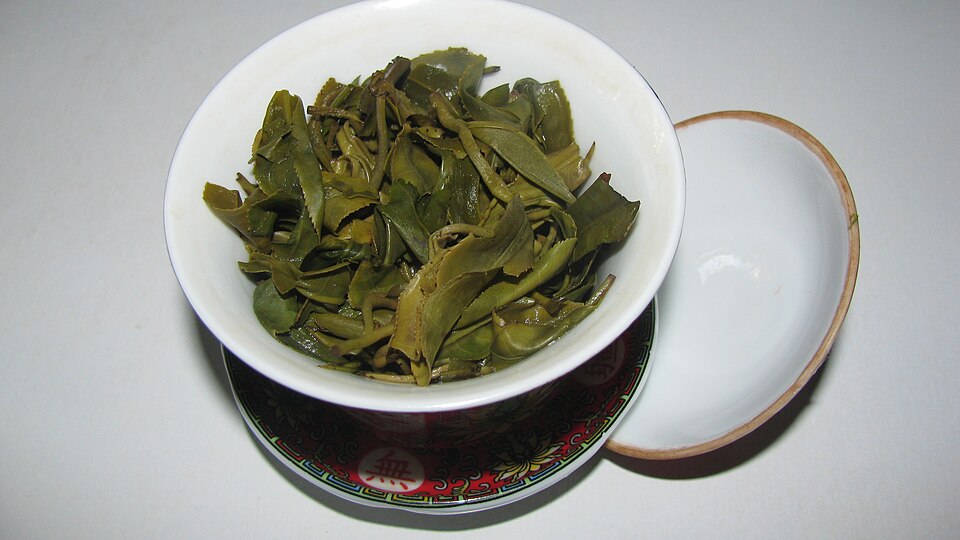
# Best Budget Gaiwan Under $10: What Actually Matters
Hey there, fellow tea explorer! Ready to dive into the world of tea without breaking the bank? I totally get it. As someone who's helped lots of beginners and young folks jump into tea, I know the biggest hurdle isn't finding *good* tea—it's avoiding the shiny traps that waste money. Today, let's focus on one essential piece of gear: the gaiwan. Specifically, how to find a great budget gaiwan under $10 that actually serves a purpose without being a letdown.
Why Start with a Gaiwan?
Before we jump into the under-$10 options, let's quickly recap why a gaiwan is often the best first purchase. Compared to a zisha (Yixing) teapot, a gaiwan is:
- Cheaper (usually $4-7)
- Works with any tea (unlike zisha, which needs one-pot-one-tea)
- Absorbs no flavor (no weird cross-tastes between different teas)
- Shows the truest taste of the tea
- Easy to clean (no tiny hidden crevices)
Think of it as the Swiss Army knife of teaware. You can use it for everything from delicate white teas to bold black teas, and it won't hold onto past flavors. Plus, it’s white porcelain, so you can actually *see* the color of the tea liquid, which is a huge part of tea appreciation. Later, when you’ve got a better feel for tea, you can upgrade to a zisha teapot, but for now, a gaiwan is your friend.
What Makes a Good Budget Gaiwan?
Now, let’s talk about what to look for in an under-$10 gaiwan. Based on what works for beginners, here are the key things to focus on:
White Porcelain is Your Friend
Stick to white porcelain. It’s non-porous, so it won’t absorb flavors from previous teas, ensuring your green tea doesn’t taste like last week’s black tea. It’s also high-fired (1200C+), which makes it sturdy enough for daily use without shattering.
Size Matters: 120ml Standard
A 120ml gaiwan is the sweet spot for most beginners. It’s big enough to hold a generous amount of tea without being overwhelming, and small enough to handle easily. Plus, it’s a standard size that most teas will perform well in.
Flared Rim, Moderate Knob
Look for a flared rim. This design helps with steeping and makes it easier to drink from without scorching your fingers on the hot side. A moderate knob is also important—big ones can be awkward, and small ones can get in your way.
Avoid These Pitfalls
There are a few things to steer clear of when shopping under $10:
- Wood-fired / clay / gilt-overglaze wares: These often have porous surfaces or uneven firing, leading to flavor absorption or warping.
- 'Fully handmade' zisha fakes: Seriously, avoid sub-$15 'fully handmade' zisha teapots. Most of them are mostly machine-pressed with a bit of clay slapped on top for marketing. If it’s under $15, it’s likely a fake. Look for Huanglongshan original-ore clay and classic shapes like Shihao or Yuni if you go the zisha route later.
Gifting Tip
If you’re buying a gaiwan as a gift, it’s actually a smart move. It gives the recipient their own "ruler" for judging tea. It’s cheap enough that you can be wrong, but it’s still a meaningful gift that shows you care about their tea journey.
Where to Find Reliable Budget Gaiwans?
Now, where can you actually find gaiwans under $10 that meet these criteria? While I don’t have specific brand recommendations (because that’s not my style), here’s what to look for when shopping:
- Online Marketplaces: Check sites like Amazon, Etsy, or AliExpress. Look for sellers with high ratings who specialize in tea ware. Avoid those selling everything under the sun—they’re less likely to have quality control.
- Local Asian Markets: You might be surprised by what you find in your local Asian grocery store. Sometimes, you can snag a decent gaiwan for under $10 here.
- Tea Shops: Some tea shops offer budget-friendly gaiwans. Even if they’re slightly over $10, they’re worth it if you’re just starting out.
Blind-Buy Safe Tea Recommendations
While we’re at it, let’s touch on some tea brands that are safe bets for beginners, especially when shopping on a budget:
- Ripe Pu-erh: Dayi 7572 is a benchmark blend that’s always reliable.
- Raw Pu-erh: Xiaguan Tuocha or Xiaguan 8653 are great entry points.
- Longjing Green: Try Gongpai or Luzhenghao. Pre-Qingming (face) or pre-rain (substance) varieties are best.
- Jasmine: Zhangyiyuan, Wuyutai, or Houwang are all solid choices. Jasmine tea can also be amazing when cold-brewed.
- White Tea: Start with shoumei. Avoid '10-year old white tea'—that’s usually heavy fake-aging territory.
- Black Tea: Keemun is a classic with a mellow honey aroma.
- Oolong: Tieguanyin from Bama or Fengshan, Wuyi Star (rock tea), or Tianchi (Phoenix Dancong) are all great starting points.
Drink these branded teas first before getting into mountain/origin-specific teas. Once you have a better sense of flavor, you can start exploring more niche options.
Avoiding Common Tea Pitfalls
As a beginner, there are a few "wellness tea" trends you should be wary of:
- Stay-Up Rescue Tea: These are often loaded with caffeine and can disrupt your sleep patterns. Plus, forcing yourself to stay awake isn’t great for your body in the long run.
- Detox Tea: Many detox teas contain laxatives, which can harm your spleen and stomach. Your body has its own natural detox systems—it doesn’t need help.
- Qi-Blood Tonic Tea: Random combinations of red dates, longans, and other ingredients don’t necessarily cancel out each other’s effects. Stick to known, balanced recipes if you’re looking for wellness benefits.
Sugar-Free Tea F4 System (2026 Trend)
If you’re into wellness teas, keep an eye out for the F4 system:
- Aroma: Look for teas with floral or fruity layers.
- Fresh: Choose teas that are tender and brisk.
- Mellow: A good tea should have a sweet aftertaste that’s smooth, not thin.
- Clean: Ensure the tea uses clean ingredients and doesn’t leave astringency.
Tangerine-Peel Ripe Pu-erh Wellness Recipe
For a simple wellness boost, try this:
- 1 small piece of dried tangerine peel
- 3g ripe pu-erh
- 95°C water
Drink 30 minutes after meals for mild dehumidifying regulation—perfect for desk sitters.
Wrap-Up / Bottom Line
So, what’s the takeaway? For a budget gaiwan under $10, focus on:
- White porcelain, high-fired (1200C+)
- 120ml, flared rim, moderate knob
- Avoid wood-fired/clay/gilt-overglaze wares and sub-$15 'fully handmade' zisha fakes
A good budget gaiwan isn’t just a tool—it’s your first step into the rich, diverse world of tea. It’s affordable, versatile, and a gateway to understanding what makes different teas tick. Plus, it’s way better than wasting money on trendy but ultimately disappointing teas or teaware.
Happy brewing, and remember: 'The end of the gaiwan journey is just one gaiwan.' Keep exploring, and you’ll find your way forward. Cheers!
Same items on Amazon (40)
Titles and prices are quoted exactly as Amazon lists them (Amazon's own wording, not translated). Prices checked 2026-10-29 and can change on their end.