# Best Beginner Gaiwan Size: 100ml, 120ml or 150ml for Solo Brewing?
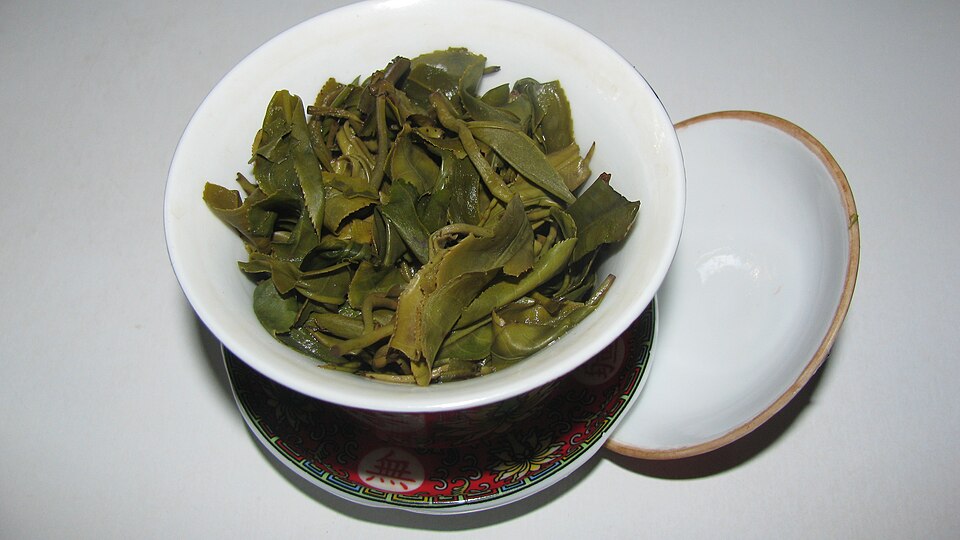
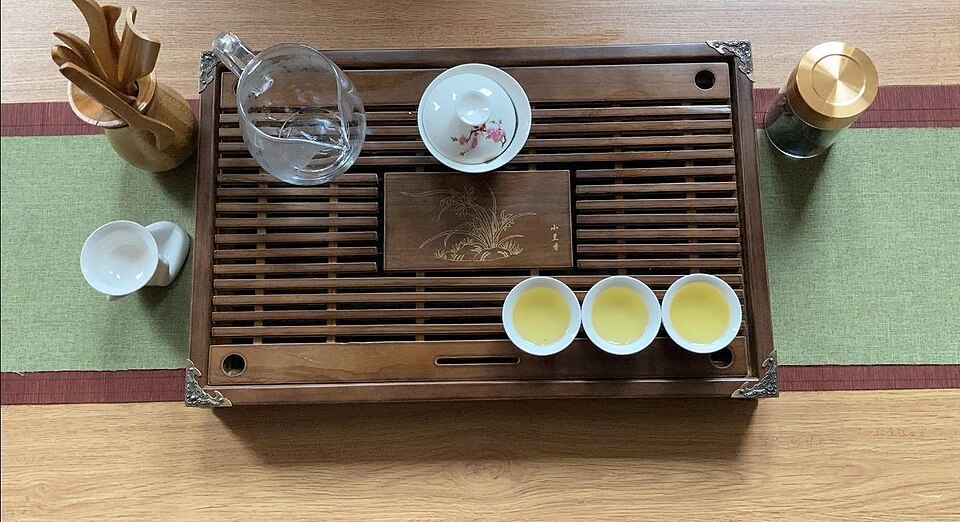
Choosing your first gaiwan is a key step for any tea enthusiast looking to explore beyond the standard teapot setup. The gaiwan, a small bowl with a lid and handle, offers a versatile way to brew loose-leaf tea, allowing for precise control over steeping and temperature. For solo brewing, the size of the gaiwan matters—too small and you risk burning the leaves; too large and the tea may become watery. This guide will help you navigate the common sizes (100ml, 120ml, and 150ml) and what to look for when making your choice.
Materials and Construction: What Matters Most
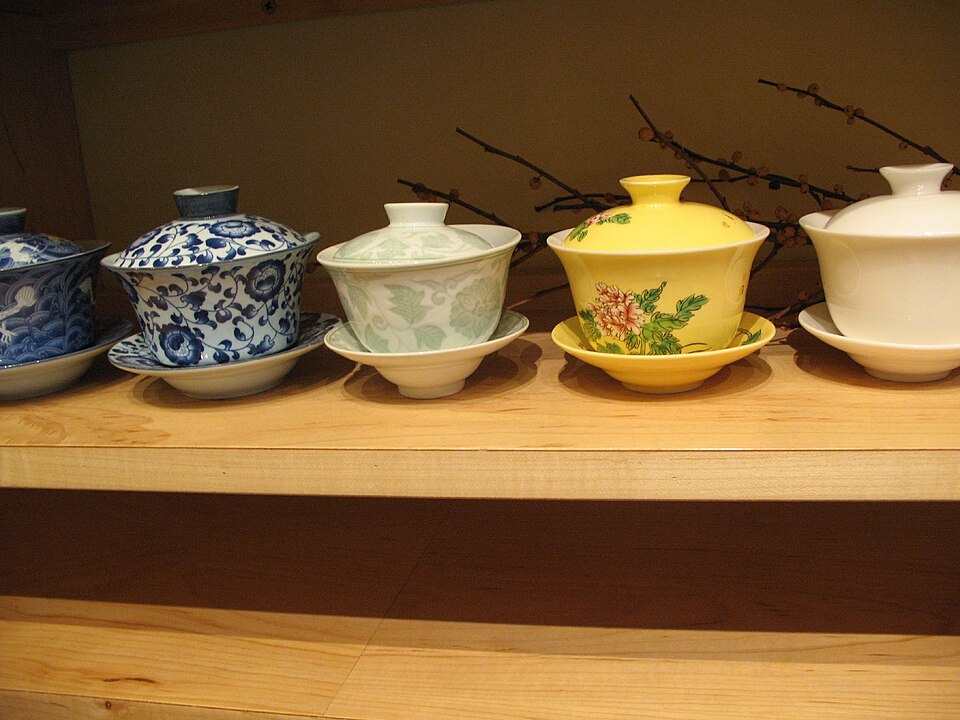
Gaiwans are typically made from ceramic, porcelain, or clay, each offering slightly different brewing characteristics. Ceramic and porcelain are the most common for beginners, as they retain heat well and are easy to clean. Clay gaiwans, like those from Yixing, are prized for their ability to absorb and release flavors over time, but they can be more delicate and require more care.
For most beginners, a gaiwan with a thick base and smooth, unglazed (or lightly glazed) walls is a safe choice. Unglazed surfaces can help regulate temperature more evenly, which is crucial for delicate teas like green or white. However, glazed gaiwans are easier to clean and less likely to absorb unwanted flavors from previous brews.
The handle is another important consideration. A sturdy, comfortable handle ensures a secure grip and prevents accidental spills. Some gaiwans have a single loop handle, while others have a more ergonomic design with two small loops. The choice depends on personal preference, but avoid gaiwans with flimsy or detachable handles, as they can be prone to breakage.
Sizing for Solo Brewing: Finding Your Sweet Spot
The three common sizes for gaiwans—100ml, 120ml, and 150ml—each have their advantages. The 100ml gaiwan is ideal for small-batch brewing, making it perfect for single servings or experimenting with rare or expensive teas. Its compact size also makes it easy to handle and store.
The 120ml gaiwan strikes a balance between capacity and control. It’s large enough to hold a generous amount of tea leaves, ensuring a robust brew, but small enough to allow for precise temperature management. This size is versatile enough for most tea types, from oolongs to black teas.
The 150ml gaiwan is best for those who prefer larger servings or plan to share their brew (though it’s still perfectly suited for solo use). It allows for more leaves, resulting in a fuller-bodied tea, but requires a bit more skill to avoid over-steeping. If you’re new to gaiwan brewing, starting with 120ml might be the safest bet, as it offers the most flexibility.
Quality Signals: What to Look For
When shopping for a beginner gaiwan, focus on value over price. Most options sit somewhere between budget and mid-range, with quality varying based on craftsmanship and materials. Here are a few signals that indicate a well-made gaiwan:
- Weight and Thickness: A solid, heavy gaiwan usually indicates better construction. Avoid lightweight or thin-walled pieces, as they may crack or warp over time.
- Smooth Surface: Check for any rough edges or imperfections. A smoothly glazed or unglazed surface is a sign of quality.
- Secure Handle: The handle should feel sturdy and attached securely. Avoid any wobbly or loose parts.
- Even Heating: A gaiwan that heats evenly is essential for balanced brewing. Look for one with a thick base, which helps distribute heat more evenly.
Avoid gaiwans with chipped glaze or visible cracks, as these can affect brewing and durability. Additionally, steer clear of mass-produced pieces that feel cheap or flimsy. While these might be affordable, they often lack the craftsmanship needed for a satisfying brewing experience.
Care and Cleaning: Keeping Your Gaiwan in Prime Condition
A gaiwan is a long-term investment, so proper care ensures it serves you well for years. Most ceramic or porcelain gaiwans are low-maintenance, but a few tips can help you maintain them:
- Wash by Hand: Avoid putting your gaiwan in the dishwasher, as high heat and harsh detergents can damage the glaze or cause cracking.
- Soft Brush: Use a soft-bristled brush to clean the inside and outside. For stubborn residue, gently scrub with baking soda paste.
- Air Dry: Let your gaiwan air dry upside down on a drying rack to prevent moisture buildup.
- Avoid Acids: Steeping highly acidic teas (like some oolongs) repeatedly can degrade the glaze over time. Rinse with plain water after such brews.
Who It Suits and Gift-Worthiness
A gaiwan is an excellent gift for any tea lover, whether they’re beginners or seasoned enthusiasts. Its compact size and elegant design make it a thoughtful present for birthdays, holidays, or as a housewarming gift. If you’re unsure about someone’s brewing experience, a 120ml gaiwan is the safest choice, as it’s versatile enough for most tea types.
For the tea enthusiast who already has a collection, consider pairing the gaiwan with a set of high-quality tea leaves for a complete experience. If you’re gifting, look for one with a beautiful glaze or unique design, as these additions make the present more special.
Bottom Line
Choosing the right gaiwan size depends on your brewing habits and preferences. The 100ml is perfect for small batches, the 120ml offers versatility, and the 150ml suits larger servings. Focus on quality materials, secure handles, and even heating for the best experience. With proper care, a gaiwan can be a cherished tool in your tea journey for years to come.
What to Check Before You Buy
- Material and construction (ceramic or porcelain preferred)
- Handle comfort and sturdiness
- Size compatibility (100ml for small batches, 120ml for versatility, 150ml for larger servings)
- Glaze quality (smooth, even, and free of chips)
- Weight and thickness (solid and heavy for durability)
- Care instructions (easily washable and dishwasher-safe)
Same items on Amazon (40)
Titles and prices are quoted exactly as Amazon lists them (Amazon's own wording, not translated). Prices checked 2026-10-29 and can change on their end.