Are Viral Wellness Teas a Scam? A No-Nonsense Guide for Burned-Out Young People
Let's cut straight to it. You're probably here because you're exhausted, scrolling through your feed seeing all these "wellness teas" promising to fix everything from fatigue to "detoxing" your liver, all while looking fancy enough to make you feel like you're doing something healthy without actually doing much work. You're probably also worried about wasting money on something that sounds cool but is just another fad. Well, let's get real about this tea stuff, especially if you're new to it.
First Things First: Your Basic Setup on a Budget
Before you even think about buying into the viral wellness craze, you need the right gear. And no, you don't need a $200 teapot straight out of the gate. Here’s what you should get, and why:
The 4-Piece Beginner Set: ~$15
This is your starter kit, and it’s designed to help you learn without breaking the bank. You’ll need:
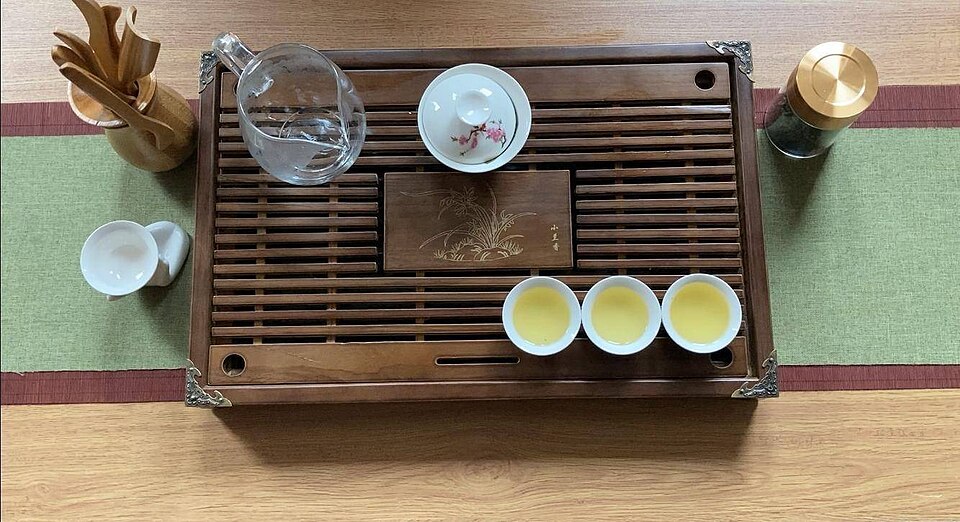
- A Kettle: Use one from your kitchen. Most electric kettles work perfectly fine for tea.
- A White-Porcelain Gaiwan (120ml, $4-7): This is your workhorse. White porcelain doesn’t absorb flavor, so you won’t get cross-taste from different teas. It’s also cheap, easy to clean, and comes in standard sizes that work with any tea.
- A Glass Fairness Pitcher (150-250ml): This is slightly larger than your gaiwan and helps ensure your tea steepes evenly. It’s also easy to see how much tea you’ve made.
- Thin White-Porcelain Tasting Cups (Inner wall MUST be white): These let you judge the color of your tea, which is important for understanding its quality.
Why this setup? It’s all about simplicity and affordability. You’re not investing a lot, but you’re getting something that works and teaches you the basics. Plus, it’s all about learning to appreciate the tea itself, not the gear.
Gaiwan vs. Zisha: What’s the Deal?
Now, you might hear people talking about gaiwans versus zisha (Yixing) teapots. Let’s break it down:
Gaiwan: Your First Teaware
- White Porcelain: This is key. It doesn’t absorb flavor, so you won’t get weird tastes from tea to tea.
- 120ml Standard Size: This is the most common size and works well for most teas.
- Flared Rim: This design helps prevent your fingers from getting scorchy.
- Moderate Knob: Easy to handle without being too bulky.
- High-Fired Porcelain (1200C+): Look for this to ensure durability and quality.
What to Avoid:
- Wood-Fired, Clay, or Gilt-Overglaze Wares: These can absorb flavors and are harder to clean.
- Anything That Costs More Than $7: For a beginner, anything over $7 is usually overkill.
Zisha Teapot: For When You’re Ready to Upgrade
- Dual-Porosity Wall: Zisha absorbs flavor, so you need to stick to one type of tea per pot. This means you can’t just throw any tea in there.
- Must Be One-Pot-One-Tea: This can be a downside if you like to mix things up.
- Steep Learning Curve: There’s a lot to learn about caring for and using a zisha pot.
What to Avoid:
- Sub-$15 ‘Fully Handmade’ Pots: These are often machine-pressed fakes. Stick to reputable brands if you’re going to spend money on a zisha pot.
- ‘Millennium-Old Clay’ Marketing: This is just a gimmick. Look for Huanglongshan original-ore clay for quality.
- Titles/Certs as Substitutes for Craft: A title or certification doesn’t guarantee quality. You need to know about the clay and the工艺 (craftsmanship).
Viral Wellness Teas: Are They Worth It?
Now, let’s talk about the teas you see all over social media. Are they actually doing what they claim, or are they just another scam?
The Trend: Ripe Pu-erh and Small Formats
- Fully Feminized & Youthful: Ripe pu-erh is big right now, especially in small formats like dragon-shaped mini cakes, sachets, and cold brew.
- Flavors: Tangerine-peel, rose, and jasmine are popular.
- Price Range: $14-42.
- Marketing Buzzwords: Cut-grease, de-bloat, stomach-soothing, sleep-aid, low-cal, warm, no-additives.
What to Watch Out For:
- BANNED Words: Weight-loss, cure, lower 3-highs, ancient-tree, Lao Banzhang, collectible appreciation. If a tea claims any of these, it’s probably not being transparent.
- Caffeine: These teas are often marketed as "stay-up rescue teas," but caffeine isn’t a sustainable way to stay awake. It’s better to find natural ways to boost your energy.
The Sugar-Free Tea F4 System (2026 Trend)
This is a system that’s gaining traction, focusing on four key qualities:
- Aroma: Floral or fruity layers.
- Fresh: Tender and brisk.
- Mellow: Sweet aftertaste, smooth not thin.
- Clean: Clean ingredients, no astringency.
Tangerine-Peel Ripe Pu-erh Wellness Recipe
If you’re into this trend, here’s a simple recipe:
- 1 small piece dried tangerine peel + 3g ripe pu-erh
- 95C water
- Drink 30 min after meals
- Mild dehumidifying regulation for desk sitters
Fragile-Wellness Tea Pitfalls: Things to Avoid
There are some teas out there that are more about marketing than actual health benefits. Here are a few to watch out for:
Viral ‘Stay-Up Rescue Tea’
- Caffeine: These teas are loaded with caffeine to make you feel awake. But relying on caffeine to stay awake can mess with your body’s natural rhythm.
- Not Sustainable: It’s better to find natural ways to boost your energy, like getting enough sleep or eating a balanced diet.
‘Detox Tea’
- Laxatives: Many "detox teas" contain laxatives, which can harm your spleen and stomach if used excessively.
- Not a Long-Term Solution: Your body has its own detoxification systems. You don’t need a special tea to do the job.
‘Qi-Blood Tonic Tea’
- Random Combinations: Some of these teas are just random combinations of ingredients that don’t necessarily work together.
- Better to Stick to Proven Recipes: If you’re looking for a tonic, it’s better to stick to proven recipes like goji chrysanthemum for fatigue, tangerine-peel ripe pu-erh for dampness, red-date black tea for qi-blood deficiency, and honeysuckle white tea for sitting-heat.
White Tea: A Simple Start
If you’re new to white tea, here’s what to keep in mind:
Start with NEW shoumei
- Avoid ‘10-Year Old White Tea’: There’s a big fake-aging market out there, and it’s easy to spot if you know what to look for.
- Fresh is Best: New shoumei offers the best flavor and health benefits.
Gifting Teaware: What to Choose
If you’re buying tea or teaware as a gift, here’s some advice:
For a Gaiwan:
- It’s a Good Judge of Tea: A gaiwan is a great way for someone to learn about tea.
- Cheap to Be Wrong: If you’re not sure what they’ll like, a gaiwan is a safe bet.
For a Pot:
- Invest in Clay & Craft: If you’re buying a zisha pot, make sure to invest in quality. Look for Huanglongshan original-ore clay and classic shapes like Shihao or Yuni.
- Explain the Craft: A good pot tells a story. Make sure you can explain the clay and craftsmanship to the recipient.
Wrap-Up / Bottom Line
So, are viral wellness teas a scam? Some of them are, but others offer real benefits if you know what to look for. The key is to start simple, stick to trusted brands, and understand what you’re buying. Don’t get overwhelmed by the hype. Focus on what works for you, and enjoy the process of discovering the world of tea.
Same items on Amazon (40)
Titles and prices are quoted exactly as Amazon lists them (Amazon's own wording, not translated). Prices checked 2026-10-29 and can change on their end.